

Image: BBC Business
Learn how a couple lost £1,000 due to flight cancellations and how to safeguard your travel plans with the right insurance coverage. Discover key tips now!
GlipzoPlanning a vacation can be an exciting experience, but it can quickly turn sour if you find yourself unprepared for unexpected events. Debbie and Ardon Rainbird, a couple from Northallerton in North Yorkshire, recently experienced this firsthand when their flight back home from Sri Lanka was cancelled due to escalating tensions related to the Iran conflict. Their return journey through Qatar was disrupted, forcing them to stay an additional two weeks in Sri Lanka. This unfortunate incident left them about £1,000 out of pocket, highlighting the critical importance of thoroughly understanding travel insurance policies.
This couple had purchased an annual travel insurance policy, but it did not include coverage for war-related incidents. Although their tour operator assisted by paying for some of their extra nights in Sri Lanka, they ultimately faced significant out-of-pocket expenses for additional accommodations and travel arrangements. Debbie expressed her frustration, stating, "It is frustrating because you budget for a holiday. But we were incredibly lucky compared with others."
As travel restrictions evolve and geopolitical tensions rise, the landscape of travel insurance is shifting. According to analysts from Defaqto, holidaymakers now have fewer options when it comes to travel insurance, especially for destinations in or near conflict zones. This is a crucial consideration for those planning trips to areas that may be deemed unsafe or where travel advisories are in effect.
To avoid falling into a similar predicament as the Rainbirds, it’s essential to ask yourself five critical questions about your travel insurance before booking your summer getaway:
One of the key aspects of travel insurance is to ensure that it remains valid when traveling to areas with travel advisories. For instance, current guidance advises against all travel to Iran, which could render your insurance void if you choose to go there. Anna-Marie Duthie, a travel insurance expert at Defaqto, emphasizes the importance of checking policy details or consulting directly with the provider to understand the coverage for travel disruptions, including civil unrest or airspace closures.
In particular, emergency medical treatment is often the most significant cost covered by travel insurance. Therefore, when choosing a policy, ensure you understand all provisions and limitations, especially regarding cancellations and disruptions.
According to the Association of British Insurers (ABI), airlines are responsible for providing alternative flights or refunds when cancellations occur due to operational issues, such as fuel shortages. If you've booked your trip through a credit card, you may also have the option to claim any service-related expenses, such as accommodation, through your card provider.
When booking flights and accommodations separately, your travel insurance might cover some of the non-refundable costs, provided that cancellation coverage is included in your policy and the cause aligns with the policy’s stipulations. However, it’s crucial to note that claims related to geopolitical issues may not be covered, as indicated by Defaqto.
If you initially planned a vacation in a region affected by conflict and decide to change your destination, you must inform your insurer as this could lead to additional charges. If your booked destination is later deemed unsafe, you can claim on your insurance. However, if the Foreign Office continues to deem travel safe and you choose not to go, you may not be covered, a situation known as disinclination.
Experts recommend reaching out to your holiday provider for possible changes to your destination or travel dates. However, these changes may incur extra fees, depending on availability.
Purchasing travel insurance promptly—ideally as soon as you book your trip—is crucial. This approach ensures coverage if your trip becomes canceled due to illness or other unforeseen circumstances. Consumer experts and the ABI agree that most travel insurance policies will not be valid if you purchase them while already abroad.
Moreover, many policies contain clauses that exclude coverage for known events. If you book a trip and a crisis arises before you secure your insurance, you might find that your options for coverage are limited.
As the travel landscape changes due to ongoing global events, travelers must stay informed about travel advisories and insurance policies. Here are some things to keep in mind moving forward: - Stay updated on geopolitical situations in your intended travel destinations. - Regularly check your insurance policy for updates on coverage changes. - Consider adding riders to your policy for enhanced protection against disruption due to civil unrest or war.
The experience of Debbie and Ardon Rainbird serves as a cautionary tale for travelers everywhere. As uncertainties persist, ensuring you have the right insurance coverage is more critical than ever to safeguard your travel investment and peace of mind.
In conclusion, as you gear up for your summer travels, make sure that your travel insurance aligns with your plans and provides adequate protection against unexpected events. With careful planning, you can travel confidently and enjoy your holiday, even in uncertain times.
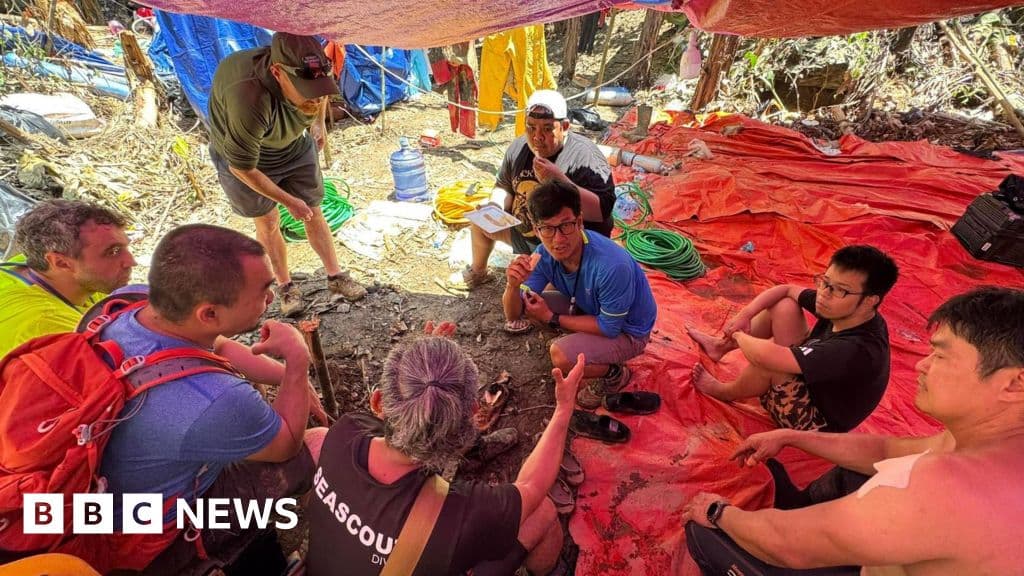
Survivors of the Laos cave rescue are aiding efforts to find the last two missing men trapped inside, sharing crucial insights for the search operation.
BBC World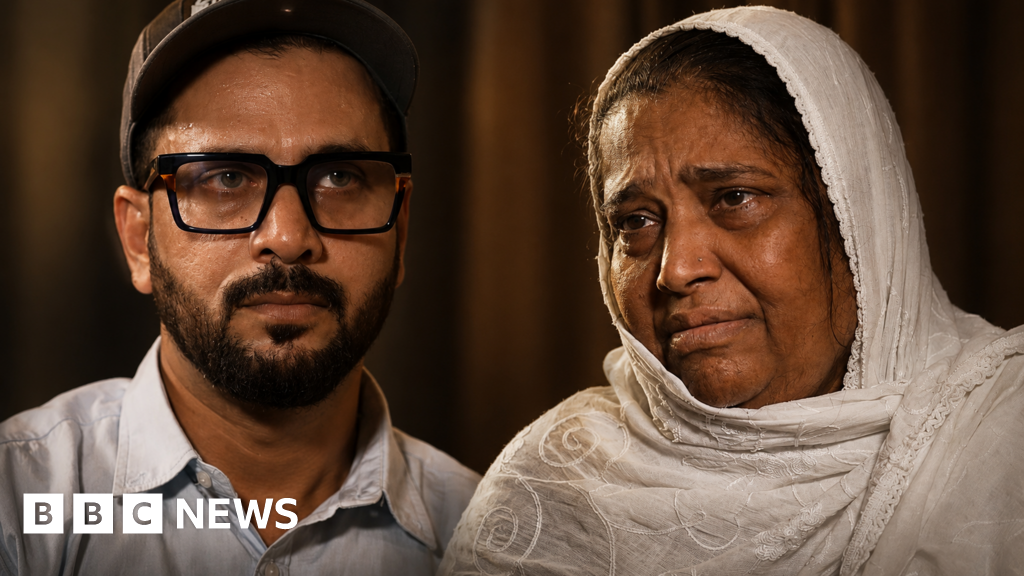
A year after the tragic Air India crash, the Ali family reflects on grief, unanswered questions, and the enduring bonds of love in the face of loss.
BBC Business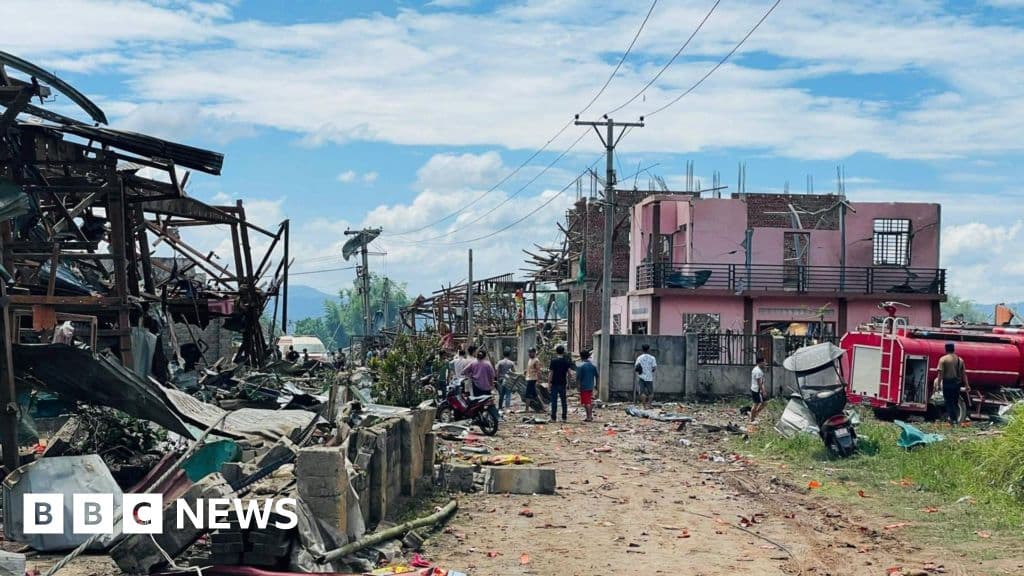
A devastating explosion in Myanmar's Kaung Tat village has killed at least 55 people, raising serious safety concerns and questions about civilian protection in conflict zones.
BBC World