

Image: Mint (Business)
India's core sector growth slumps to 2.3% in February from 4.7% in January, affected by crude oil and natural gas. What’s next for the economy?
GlipzoIndia's core infrastructure sector experienced a notable slowdown in growth, with a year-on-year increase of just 2.3% in February 2026, a stark contrast to the 4.7% surge recorded in January. This decline can largely be attributed to weaknesses in crude oil and natural gas production, which have limited gains in construction-related sectors. According to provisional data released by the Commerce and Industry Ministry, the aggregate index of eight core industries reached 166.7 in February, up from 163.0 a year earlier but down from 182.0 in January.
This data reveals a sequential improvement despite a softer annual growth rate, indicating that while the overall trend is upward, certain key sectors are struggling. The eight core sectors—which include coal, crude oil, natural gas, refinery products, fertilizers, steel, cement, and electricity—collectively account for 40.27% of the Index of Industrial Production (IIP). This substantial share highlights their critical role in influencing India's overall industrial growth.
When examining the performance of individual industries within the core sector, there are some positive signs. For instance, steel production increased by 7.2% year-on-year in January, while cement output saw a remarkable 9.3% increase, signaling ongoing activity in housing and infrastructure projects. This robust performance is essential for supporting India's growing urbanization and infrastructure needs.
Key performance indicators for January include: - Fertilizer production up 3.4% - Coal output increased by 2.3% - Electricity generation rose 0.5%
These figures suggest steady demand in both agricultural and power sectors, further bolstered by an uptick in construction activities. However, the challenges facing the hydrocarbons sector are significant. Crude oil production fell by 5.2%, and natural gas output declined by 5% year-on-year, highlighting vulnerabilities in energy extraction industries.
On a cumulative basis, core sector growth from April to February stood at 2.5% compared to the previous year. This reflects a marked divergence between the performance of infrastructure-driven sectors and energy extraction segments. While energy output struggles, sectors like steel and cement have significantly mitigated the overall decline, showcasing resilience in industrial activity.
This mixed performance suggests that while some sectors are thriving, the hydrocarbons' drag on growth remains a pressing concern for the overall economy.
Looking forward, the outlook on energy prices and their implications for economic growth is concerning. Aditi Nayar, the chief economist at ICRA Ltd, noted that energy prices are unlikely to return to the levels seen in February 2026 in the near future. She pointed out that even with a rapid de-escalation of tensions in West Asia, crude oil prices might average $85 per barrel in FY2027. This projection has led ICRA to revise its GDP growth forecast for the upcoming fiscal year down to 6.5%, compared to a previous estimate of 7.1% that assumed lower crude prices.
Nayar emphasized that a prolonged crisis could lead to heightened fuel prices and constrained availability, adversely affecting India's GDP growth despite the buffers provided by resilient domestic demand.
In a similar vein, Gaura Sen Gupta, chief economist at IDFC FIRST Bank, expressed that the repercussions of the Middle East escalation are likely to manifest in March 2026. However, she noted that there may be an increase in domestic petroleum production aimed at securing local supplies, and that warmer weather could support electricity production in the same month.
The core sector's performance is crucial not only for understanding the current state of India's economy but also for forecasting future growth. Given that these eight industries are pivotal in driving overall industrial productivity, any fluctuations can have significant ramifications on employment, infrastructure development, and economic stability.
As India navigates through potential global uncertainties, including geopolitical tensions and energy price volatility, close monitoring of these core sectors will be vital. Stakeholders, policymakers, and businesses alike should prepare for potential shifts in economic conditions as these factors evolve.
In summary, while there are positive signs within certain sectors, the core infrastructure's slowdown poses important questions for India's economic trajectory as we move forward into 2026 and beyond.
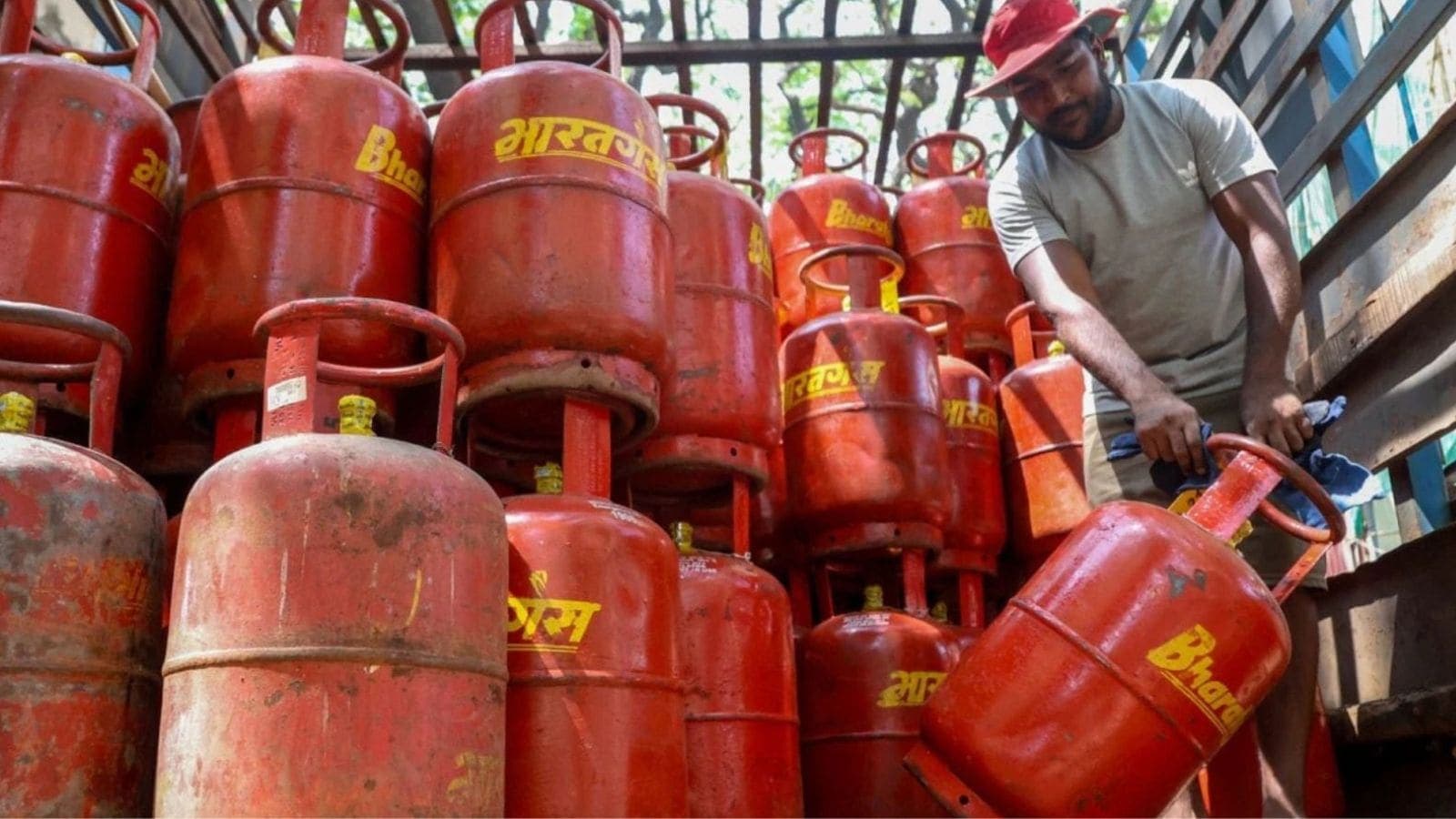
Commercial LPG prices have risen again, with increases of ₹42 in Delhi and ₹53.50 in Kolkata impacting businesses and consumers alike. Find out more.
Indian Express
Discover how a tragic coal mine explosion in Shanxi, China, reveals ongoing safety concerns in the industry amidst a push for green energy.
BBC Business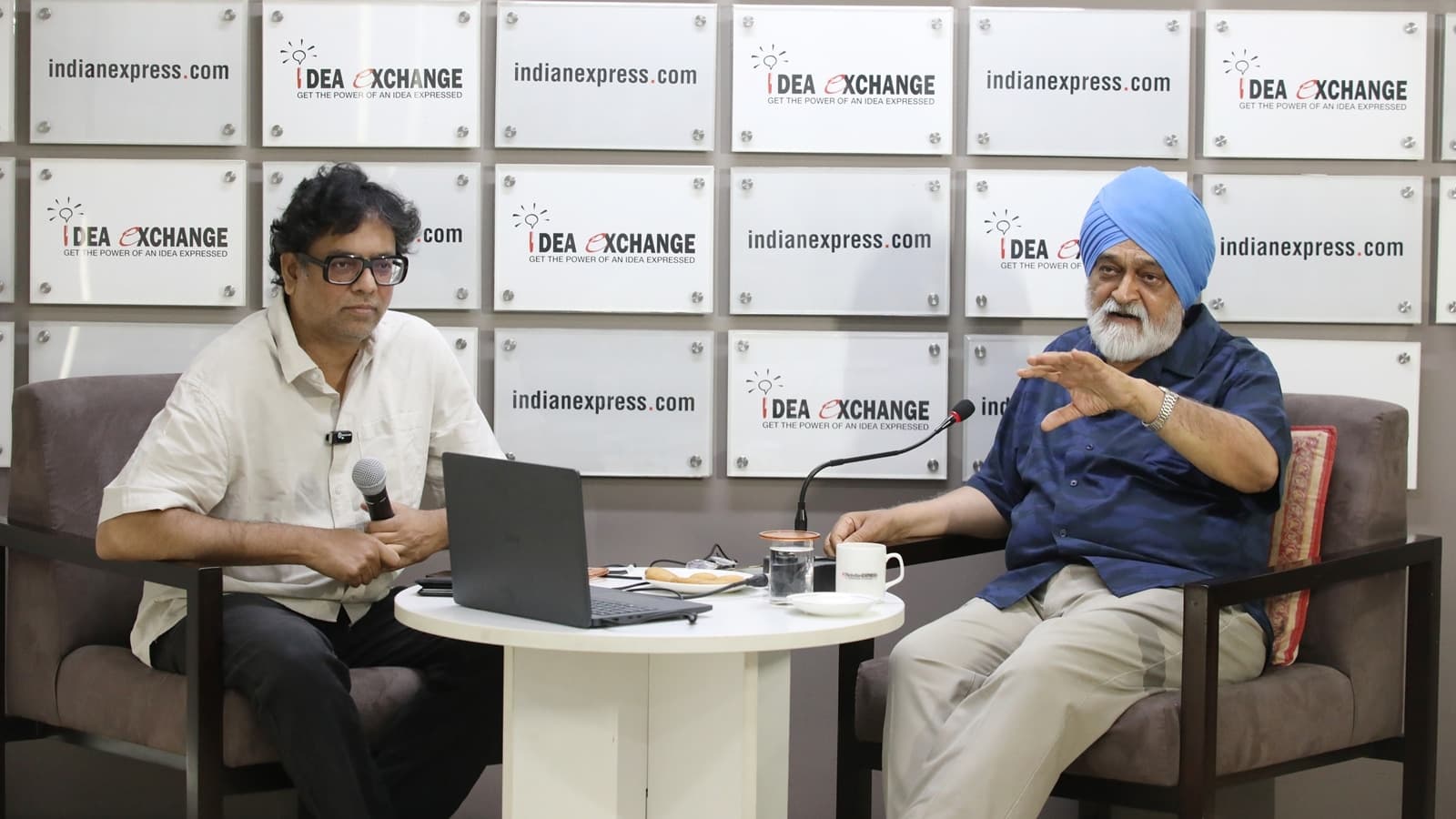
Montek Singh Ahluwalia highlights key economic challenges for India, emphasizing the need for a strategic approach to balance payments and investment.
Indian Express