
Image: The Hindu
A recent job fair at Delhi University sparked protests after excluding Open Learning students. Discover the implications of this controversial decision.
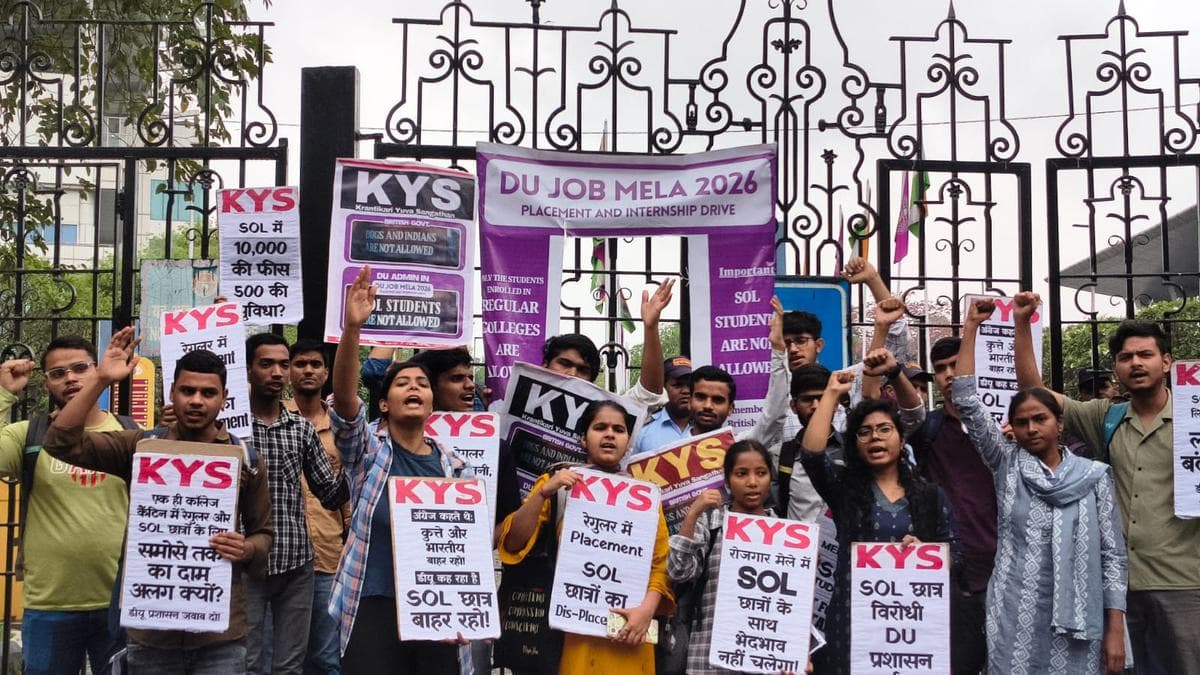
GlipzoA recent job fair at Delhi University (DU) has ignited significant controversy after its guidelines explicitly excluded students from the School of Open Learning (SOL). On March 20, 2026, students gathered on campus, protesting the limitations placed on their participation in what should have been an inclusive opportunity for all.
The uproar began when the official announcement for the job fair declared that it was open only to regular students, effectively barring SOL students from accessing potential employment opportunities. This decision, deemed discriminatory by many, has raised questions about the treatment of open learning students within the university system.
The exclusion prompted a strong response from various student organizations, including the Akhil Bharatiya Vidyarthi Parishad (ABVP) and the Krantikari Yuva Sangathan (KYS). These groups organized protests on the day of the event, emphasizing the unfairness of the guidelines. They argued that such exclusions perpetuate a cycle of inequality and discrimination within higher education.
During the protests, students pointed to the job fair's promotional materials, which clearly indicated that participation was limited to regular students. They expressed their frustration, stating that this policy undermines the efforts of SOL students who are pursuing their education with the same commitment as their counterparts in regular programs.
The School of Open Learning (SOL) at Delhi University is designed to offer flexible education options to students who may not be able to attend traditional classes. This includes working professionals, those with family commitments, or individuals who prefer a non-traditional learning environment. Despite its inclusivity, the exclusion from job fairs highlights a significant gap in recognition and support for these students.
The guidelines stating that SOL students are ineligible for job placements have not only triggered protests but also sparked a broader discussion surrounding the value and recognition of open learning programs in India. Advocates for these students argue that education should be equitable, regardless of the mode of learning.
Excluding SOL students from career opportunities at job fairs raises several critical issues:
As protests continue and dialogue around the exclusion of SOL students gains momentum, it will be crucial to monitor how Delhi University responds. Potential steps could include revising their guidelines to ensure that all students, regardless of their mode of study, have access to job placement services.
Moreover, this situation could lead to systemic changes within the university's policies, potentially fostering a more inclusive environment for all students. Advocates are calling for the university administration to engage in discussions with student leaders to address these disparities and develop solutions that promote fairness and equality.
This controversy is not just about a single job fair; it represents a larger struggle for recognition and equality for open learning students across India. As the job market becomes increasingly competitive, ensuring that all students have equal access to career opportunities is essential for fostering a fair educational landscape. The outcome of this situation may set a precedent for how educational institutions across the country handle inclusivity and equity in the future.
In conclusion, the events at the Delhi University job fair serve as a reminder of the ongoing challenges faced by non-traditional students. As this story develops, it will be important to watch for any changes in university policy that could pave the way for a more equitable approach to education and employment access in India.
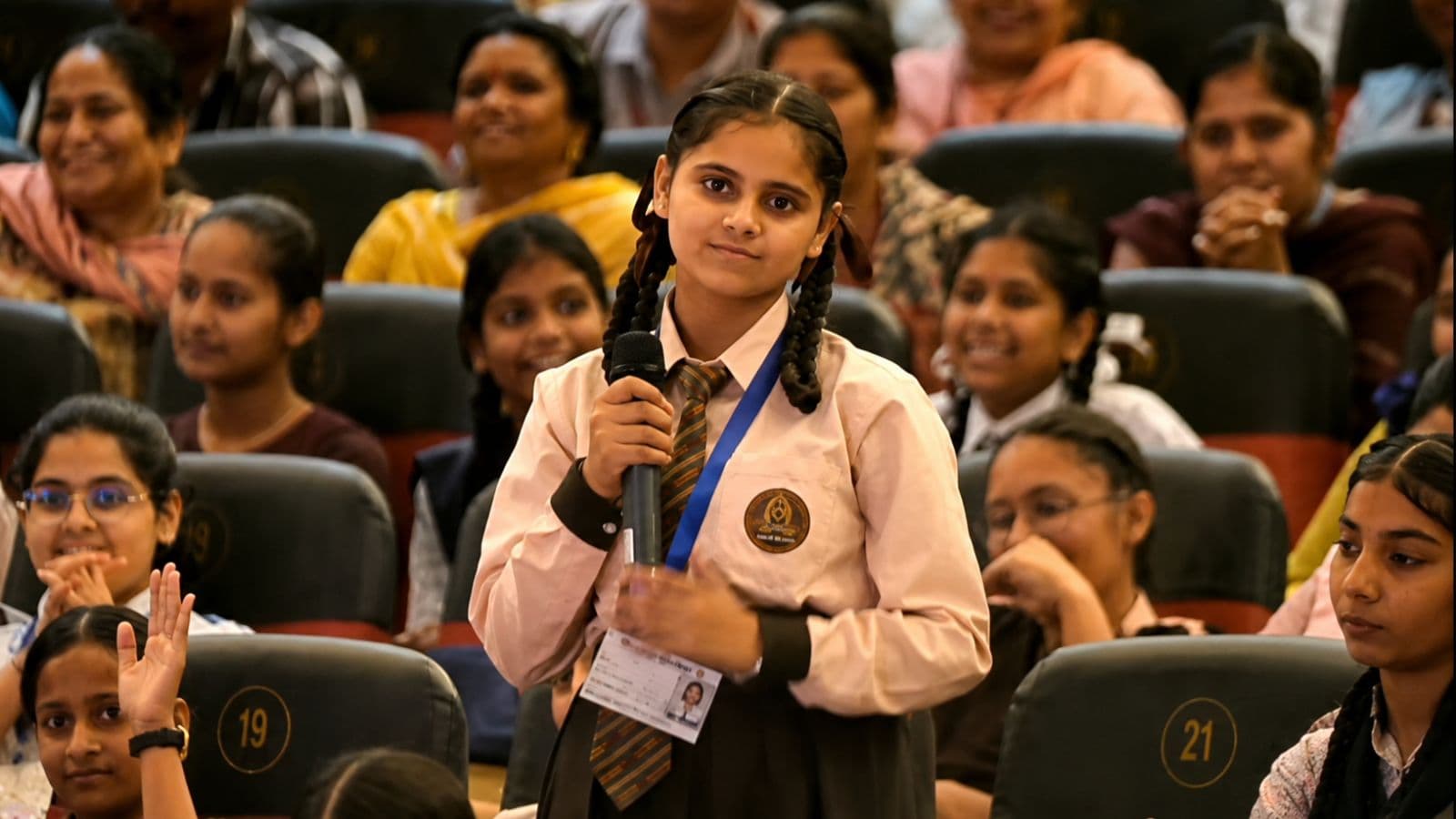
Amritsar student questions age-based ranking, prompting Punjab CM to reform PSEB policies. A significant change towards merit-based recognition is underway.
Indian Express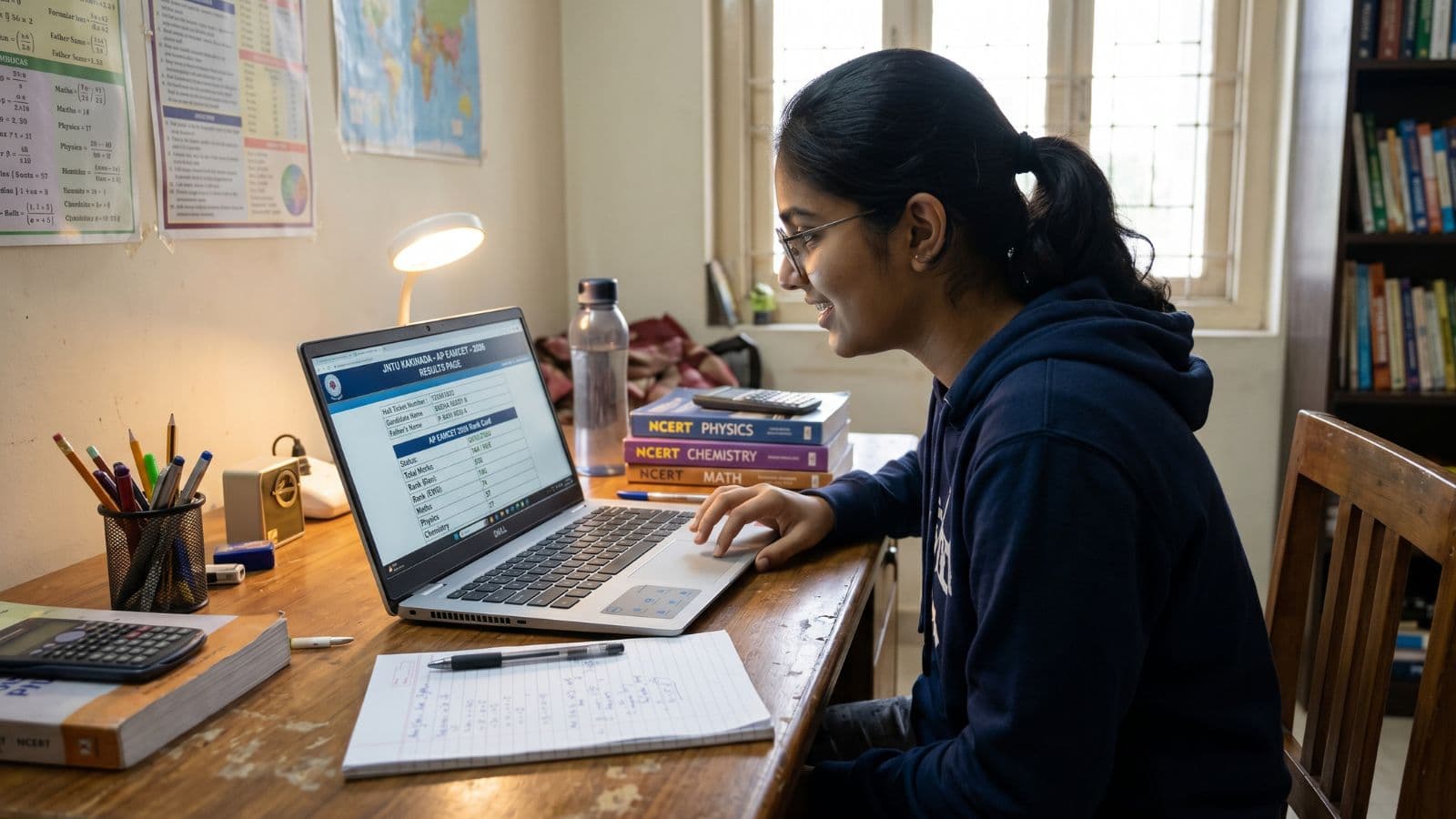
AP EAMCET 2026 results are out! Discover how to check your scorecard and navigate the upcoming counselling process for college admissions.
Indian Express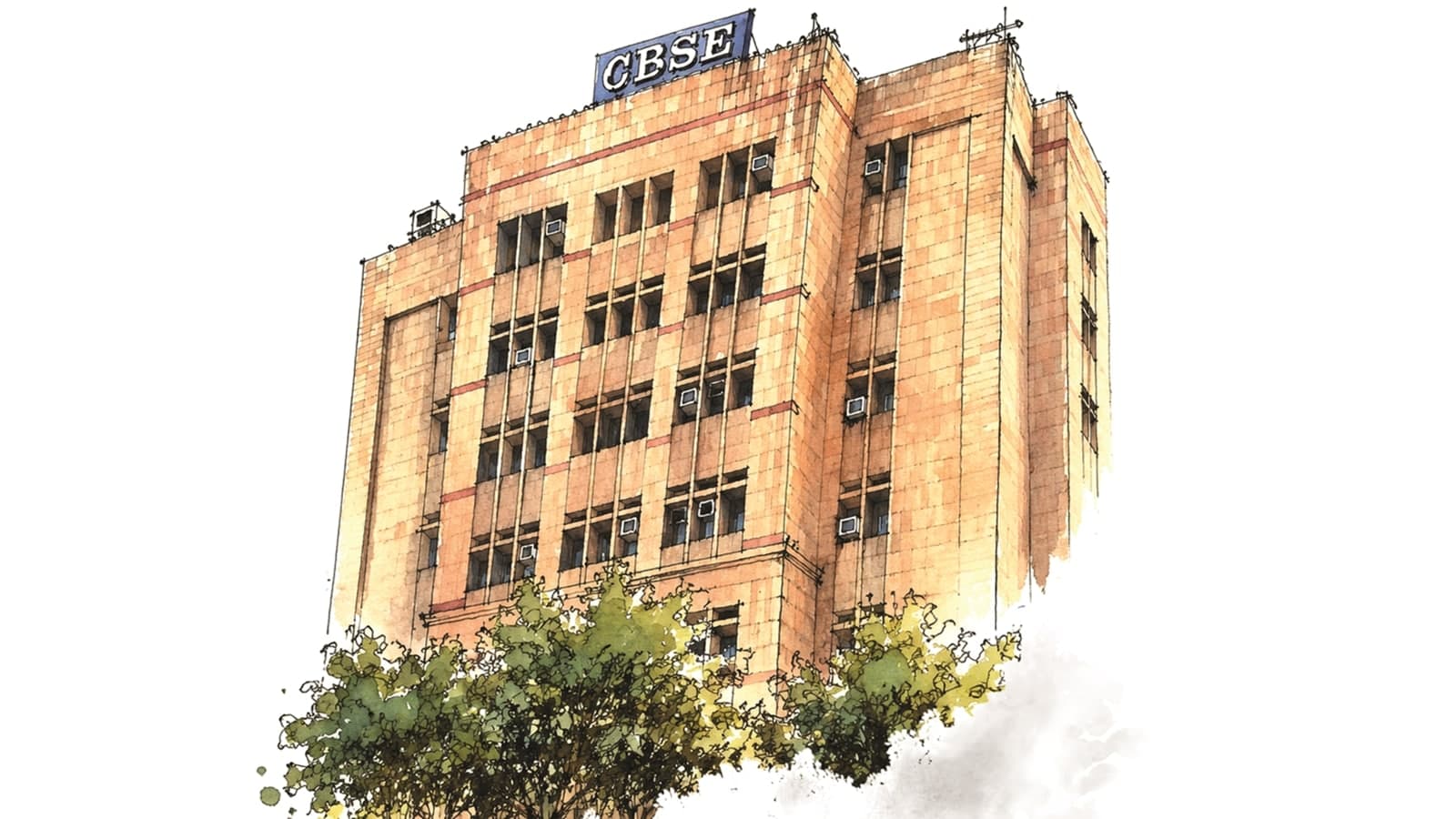
CBSE's new OSM system faces backlash as students struggle with re-evaluation. Will their futures be jeopardized by technical flaws?
Indian Express