
Image: BBC World
Civilians in Oleshky are trapped amid war, facing dire shortages and the perilous 'Road of Death.' Discover the humanitarian crisis unfolding in Ukraine.
GlipzoAmid the chaos of war-torn Ukraine, Oleshky, a frontline city, stands as a stark reminder of the humanitarian crisis gripping the region. Ludmilla, a resident who spoke with the BBC from a damaged rooftop, describes her reality: "The road is mined. So, we're stuck here. People are trying their best to survive."
For months, residents have faced extreme shortages of essential supplies, including food and medicine. The once-vibrant city has become a shell of its former self, as ongoing conflict and blockades have left the community isolated. Reports indicate that Oleshky, with a population of about 2,000, has been largely cut off from aid, forcing people to scavenge abandoned homes in search of sustenance.
The situation has escalated to the point where Ukraine's Commissioner for Human Rights has raised alarms about a looming humanitarian disaster. Recent attempts to deliver aid to Oleshky, organized by volunteers and aid agencies, have brought some relief. Yet, these efforts are fraught with danger, as the streets are littered with remnants of war.
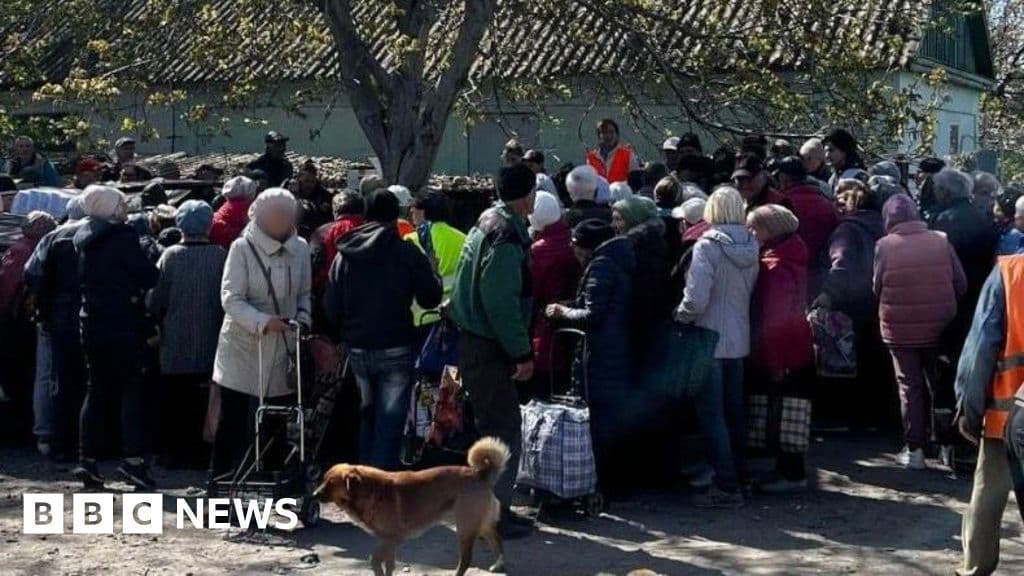
Photos shared by the BBC depict crowds of residents, primarily elderly individuals, gathering in the city square, eager to receive whatever supplies they can find. Ludmilla notes that prices for basic items, such as pasta and canned goods, have skyrocketed, pushing many into desperate measures.
Locals refer to the route leading out of Oleshky as the 'Road of Death,' a nickname that underscores the perilous journey fraught with the threat of landmines. Residents report that any attempt to escape the city is a gamble with life, as the road is dangerously mined and littered with burnt-out vehicles.
The city is geographically trapped; surrounded by a river and destroyed bridges, residents find themselves caught in the crossfire of opposing forces. Ukrainian troops are stationed just across the river, having successfully recaptured Kherson in November 2022, forcing Russian troops to retreat. This strategic positioning places Oleshky in a precarious situation, vulnerable to artillery fire and minefields.
Despite the overwhelming odds, some residents have managed to evacuate. Volodymyr, a man in his 50s, shared his harrowing experience of fleeing the city. "Leaving Oleshky, everyone prayed to God that we wouldn't hit a mine," he recalls. His family's decision to leave followed the traumatic loss of neighbors to shelling and the psychological toll it took on them.
Evacuations, such as Volodymyr's, are often orchestrated by volunteers who face their own dangers to assist others. He describes being transported in an ambulance, navigating a highway lined with wreckage: "The entire highway from Oleshky to Hola Prystan' is littered with burnt-out cars. Some of them burned with people still inside."
Satellite images reveal the extent of the devastation along the escape routes from Oleshky. A 1km stretch of road leading out of the city shows at least eight damaged vehicles, with a large scorch mark appearing on the road between Kardashynka and Hola Prystan' in late January. This evidence corroborates claims of deadly incidents involving ambulances and civilian vehicles struck by mines.
Reports indicate that similar destruction is visible along the E97 road, where military trench networks hint at the ongoing militarization of the area. The BBC has been in contact with seven individuals who are either still trapped in Oleshky or who have recently managed to escape. Although these accounts have not been fully verified, efforts to cross-check information through photos, location data, and online records are ongoing.
The plight of Oleshky's civilians highlights the broader humanitarian crisis resulting from the war in Ukraine. With access to food, medicine, and safety severely compromised, these individuals face daily battles for survival. The situation serves as a critical reminder of the human cost of geopolitical conflicts and the urgent need for international intervention and support.
As the war continues, the future for Oleshky remains uncertain. Humanitarian organizations are calling for increased efforts to provide aid and support to trapped residents. The continued mining of roads and military presence indicates that any solution will require significant diplomatic and logistical work.
As the conflict persists, the immediate future for Oleshky's residents appears grim. However, the stories of those who have managed to escape may shine a light on the potential for further evacuations. Increased awareness and media coverage could lead to more coordinated efforts to provide aid and facilitate safe passage for civilians.
Residents and volunteers remain resilient, striving to survive in a city caught in the crossfire. Their struggles, while harrowing, underscore the need for solidarity and action in the face of adversity. The world watches as Oleshky’s fate unfolds, hoping for a peaceful resolution and a path toward recovery for its beleaguered inhabitants.
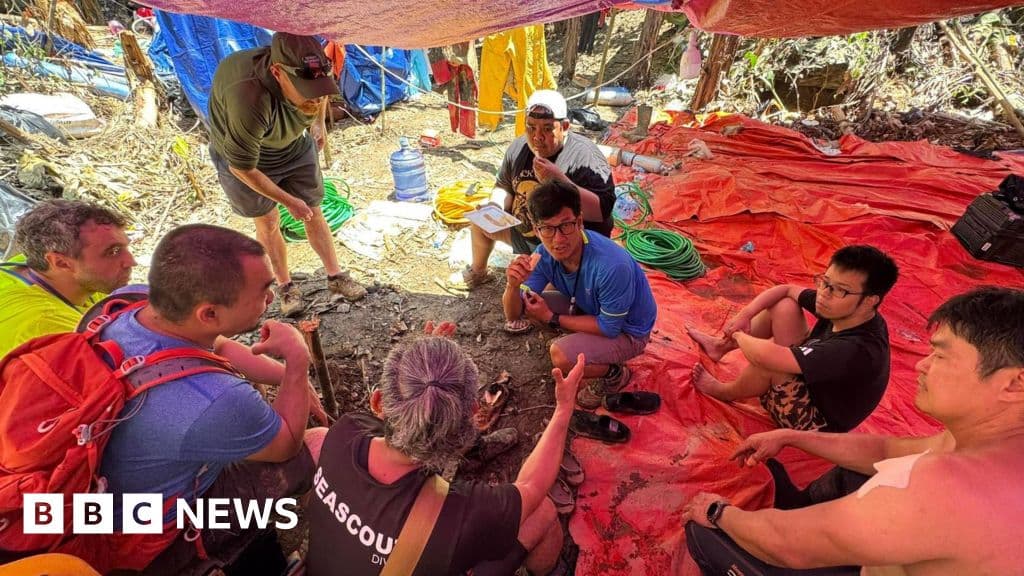
Survivors of the Laos cave rescue are aiding efforts to find the last two missing men trapped inside, sharing crucial insights for the search operation.
BBC World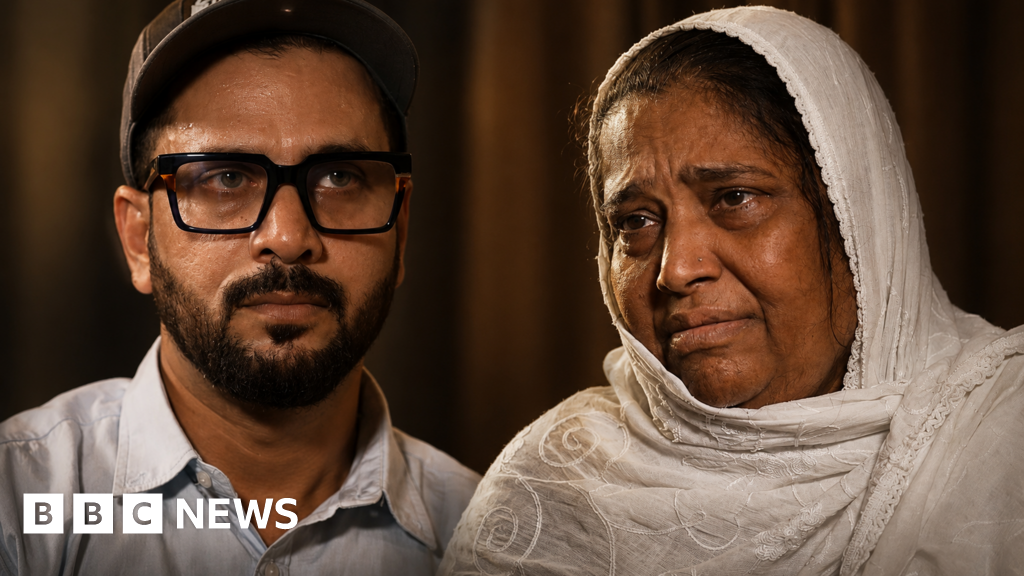
A year after the tragic Air India crash, the Ali family reflects on grief, unanswered questions, and the enduring bonds of love in the face of loss.
BBC Business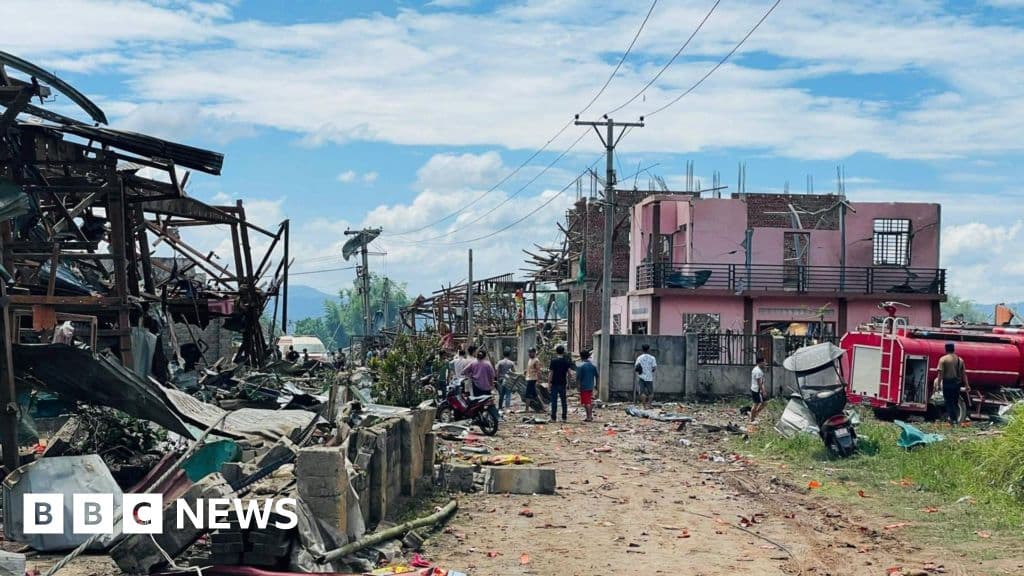
A devastating explosion in Myanmar's Kaung Tat village has killed at least 55 people, raising serious safety concerns and questions about civilian protection in conflict zones.
BBC World