
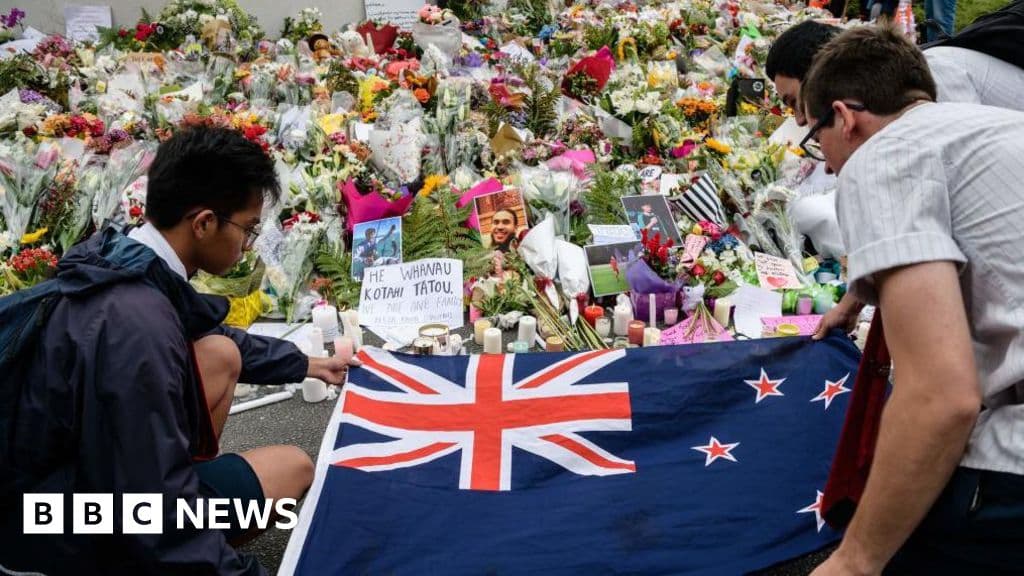
Image: BBC World
Brenton Tarrant, the Christchurch mosque shooter, failed in his appeal to overturn his life sentence, reaffirming the justice system's commitment to accountability.
GlipzoIn a critical legal decision, Brenton Tarrant, the 35-year-old white supremacist responsible for the tragic Christchurch mosque shootings, has lost his appeal to overturn his convictions and life sentence without parole. This ruling comes nearly four years after Tarrant carried out the horrific attacks that resulted in the deaths of 51 people and injuries to another 40 worshippers at the Al Noor mosque and Linwood Islamic Centre on March 15, 2019. The New Zealand Court of Appeal's unanimous decision confirms the justice system's resolve in handling hate crimes and upholding the rule of law.
The appeal, heard over the course of a week in February, saw Tarrant argue that he was unable to make rational decisions at the time of his guilty plea due to inhumane conditions in prison. However, the court's ruling on October 12, 2023, dismissed these claims as “utterly devoid of merit.” The panel of three judges emphasized that the court found the facts surrounding the massacre to be “beyond dispute.”
In his appeal, Tarrant contended that his guilty pleas were made under duress and that he was in an irrational state of mind due to the conditions he faced in custody. The judges, however, pointed out inconsistencies in his claims and noted that his arguments lacked support from any credible witnesses. They firmly stated that Tarrant was not coerced nor pressured into making his plea.
The court's ruling reflected a strong rejection of Tarrant’s assertions. “He has not identified any arguable defense, or indeed any defense known to the law,” the judges remarked. This decision reinforces the notion that accountability remains paramount in cases of such grave magnitude.
The attacks on the mosques, which were partly live-streamed, shocked New Zealand and the world, leading to profound changes in the nation's gun laws. Within weeks of the massacre, the New Zealand Parliament voted overwhelmingly to ban military-style semi-automatic weapons and introduced a buy-back scheme to compensate owners of newly illegal firearms. This decisive action demonstrated the government's commitment to enhancing public safety and preventing similar tragedies in the future.
Aya al-Umari, who lost her brother Hussein in the attack, expressed her relief following the court’s decision. “I was confident that there were no solid grounds for the appeal, and the decision today confirms that,” she stated. Al-Umari emphasized that the outcome provided reassurance and comfort that justice was being served. “Hearing the outcome today really gives that reassurance and comfort around the right processes being followed,” she added, illustrating the emotional toll such prolonged legal battles can have on victims’ families.
Tarrant’s actions and the subsequent legal proceedings highlight the ongoing struggle against hate and extremism worldwide. His radicalization began years before the attack, with his active engagement in fringe online forums and the publication of a 74-page manifesto that espoused his extremist views. This underscores the importance of addressing the root causes of radicalization and the necessity for comprehensive counter-terrorism strategies.
The Christchurch massacre has not only influenced local policy but also sparked a global conversation about the rise of white supremacy and the need for communities to unite against hate. Law enforcement agencies and governments are now more aware of the threats posed by online radicalization and are implementing measures to combat this growing issue.
As Tarrant continues to serve his life sentence without the possibility of parole, the legal ramifications of his actions will likely continue to resonate. The decision to uphold his conviction sends a powerful message that hate-driven violence will not be tolerated and that justice will be pursued resolutely.
Looking ahead, New Zealand and other nations must remain vigilant in the face of rising extremism. Key areas to watch include:
In conclusion, while Tarrant’s appeal has been decisively rejected, the impact of his actions will resonate for years to come. The ongoing commitment to justice and reform will be crucial in ensuring that such an atrocity never happens again.
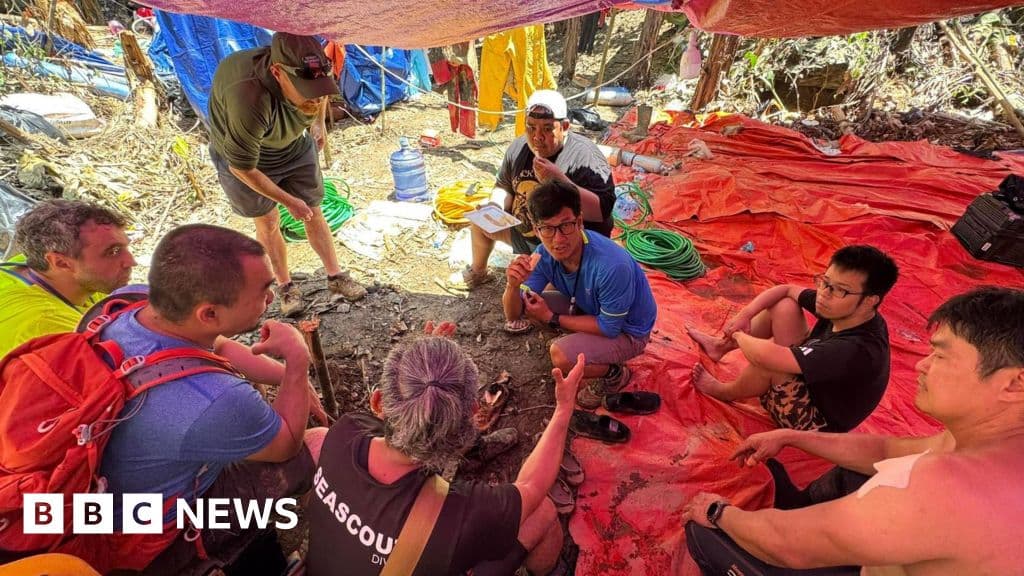
Survivors of the Laos cave rescue are aiding efforts to find the last two missing men trapped inside, sharing crucial insights for the search operation.
BBC World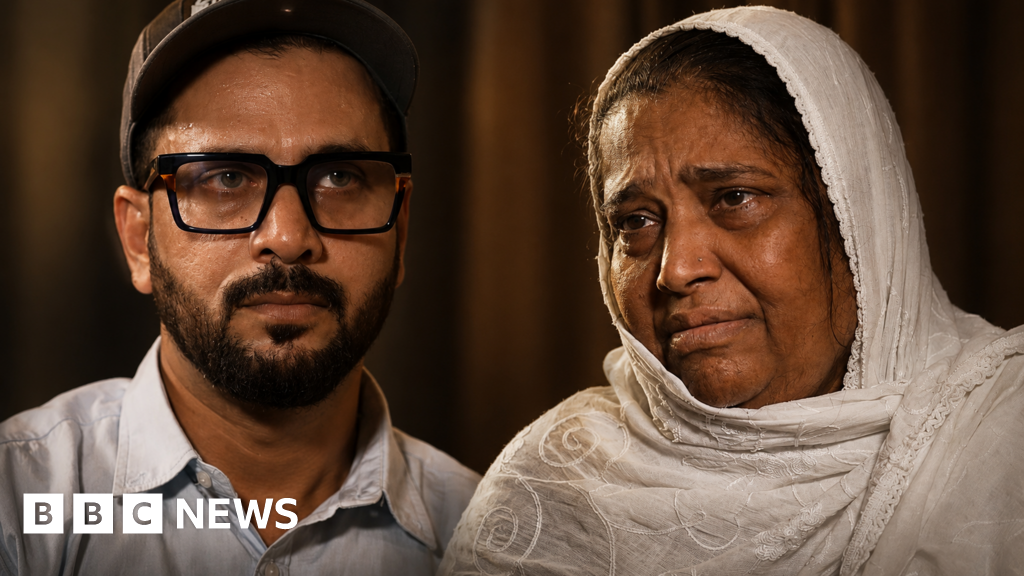
A year after the tragic Air India crash, the Ali family reflects on grief, unanswered questions, and the enduring bonds of love in the face of loss.
BBC Business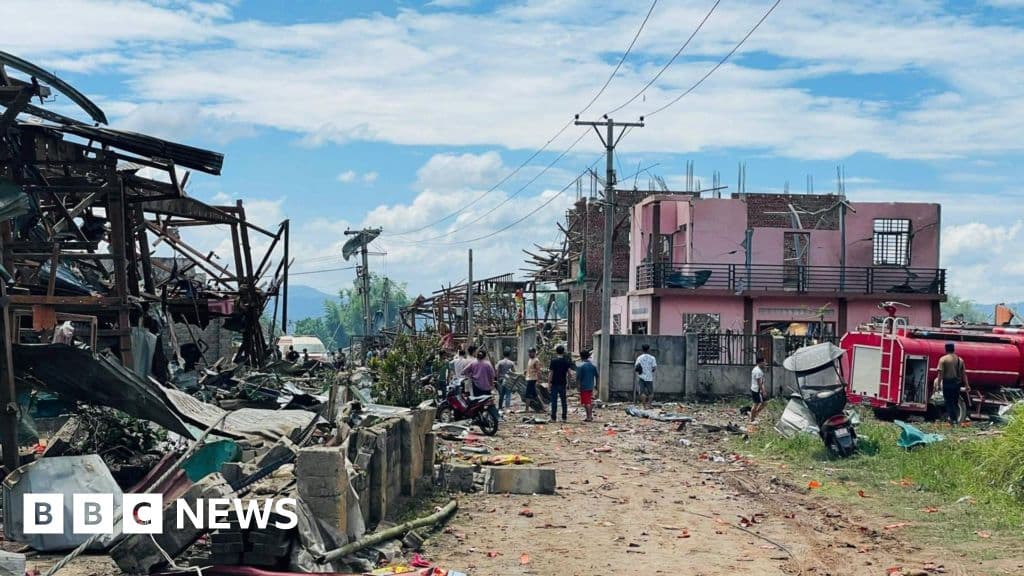
A devastating explosion in Myanmar's Kaung Tat village has killed at least 55 people, raising serious safety concerns and questions about civilian protection in conflict zones.
BBC World