

Image: BBC Business
China eliminates tariffs for most African nations, boosting trade opportunities, but Eswatini remains excluded. What does this mean for Africa's economy?
GlipzoChina proudly claims to be the first major economy to offer unilateral zero-tariff treatment to the African continent. Yet, analysts caution that while this move enhances China's soft power, it does not fully address the deeper economic challenges faced by African exporters, as tariffs are not the primary barriers to trade.
The potential benefits of China's expanded zero-tariff regime could be far-reaching, particularly for African agricultural exports. Johnston suggests that this could help boost rural incomes, enhance productivity, and contribute to reducing hunger and poverty across the continent.
However, the current trade relationship heavily favors China. In 2022, Africa's trade deficit with China surged by 65%, amounting to approximately $102 billion. This imbalance underscores the need for African countries to diversify their exports beyond raw materials, which predominantly include minerals, crude oil, and metallic ores.
Jervin Naidoo, a political analyst at Oxford Economics Africa, points out that while the tariff reductions are a step forward, they do not resolve the underlying economic issues many African countries face. These include limited industrial capacity, poor logistics, and a heavy reliance on raw commodity exports.
Amit Jain, an authority on China-Africa relations, notes that evolving consumer preferences in China could create new market opportunities for African producers. For example, over the past two decades, there has been a noticeable increase in Chinese consumer demand for products like coffee and nuts.
Ken Gichinga, an economist, echoes this sentiment, stating that the new measures will facilitate better access to Chinese markets, thereby narrowing the trade deficit and expanding opportunities for African companies. He highlighted sectors like avocado in Kenya as particularly poised for growth under this new policy, asserting that the agriculture sector could see significant benefits, including for products like macadamia nuts, coffee, tea, and leather.
The coming years will be pivotal for Africa as it navigates the complexities of its trade relationships with China and the rest of the world. The success of these new tariff policies will largely depend on how effectively African countries can adapt and innovate in response to changing global markets.
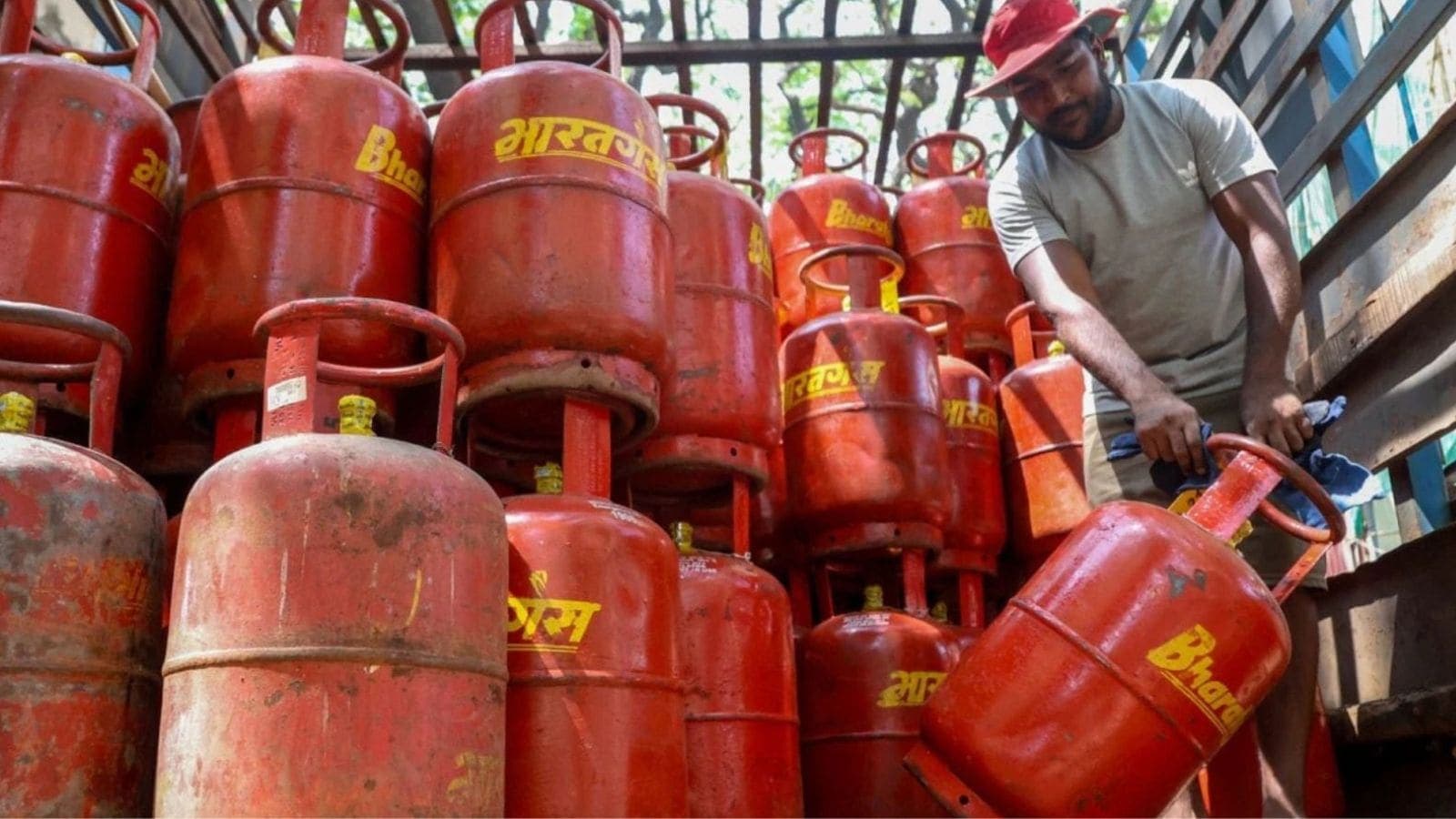
Commercial LPG prices have risen again, with increases of ₹42 in Delhi and ₹53.50 in Kolkata impacting businesses and consumers alike. Find out more.
Indian Express
Discover how a tragic coal mine explosion in Shanxi, China, reveals ongoing safety concerns in the industry amidst a push for green energy.
BBC Business
Montek Singh Ahluwalia highlights key economic challenges for India, emphasizing the need for a strategic approach to balance payments and investment.
Indian Express