

Image: BBC Business
Explore how China's economy is battling new pressures amid the Iran conflict and what this means for workers and manufacturers in the region.
GlipzoIn the heart of Foshan, a notable manufacturing center in southern China, a group of workers sits solemnly under a tree, their faces etched with worry. The storefronts nearby advertise temporary factory jobs, but the reality for many is far from ideal.
"No one understands our life," one worker, who requested anonymity, shared with palpable frustration. Another voiced a desperate plea, stating, "We work and work and have no life. Please help us." These candid remarks from workers reveal the stark challenges they face as they strive to support their families while adapting to a rapidly changing economic landscape.
The shift from producing inexpensive, mass-produced goods to embracing automated and advanced technology has left many feeling vulnerable. This economic transition was already underway before the recent conflict between Israel and Iran exacerbated the situation, further upsetting the global economy. With China's economy grappling with sluggish growth and rising unemployment, the fallout from geopolitical tensions is becoming increasingly apparent.
Despite the hurdles, China's economy showcased resilience, managing to report a GDP growth of approximately 5% even amidst Donald Trump's tariffs imposed last year. However, underlying discontent continues to brew, as the ongoing war in the Middle East is starting to exert additional pressure on factory orders, operational costs, and job stability.
In Foshan, many workers see limited opportunities, their best bet being short-term jobs that offer between 18 to 20 yuan an hour—roughly a few dollars. Workers, many of whom are over 40 years old, express frustration and uncertainty about their future. "I'm going to try and find work elsewhere," one lamented, highlighting the sense of instability that pervades the manufacturing sector.
China's substantial oil reserves and leadership in renewable energy have provided some insulation against the worst effects of the current fuel crisis. However, the ongoing conflict is straining the Strait of Hormuz, a vital shipping route that affects global oil supply, consequently placing further stress on China's economy, which heavily relies on exports.
One trader, who chose to remain unnamed, noted, "Costs have gone up around 20%." This increase is impacting the entire supply chain, from fabric traders in Guangzhou—the world’s largest fabric market—to local factories producing garments for international retailers like Zara and Shein. Higher oil prices are squeezing margins, leading to fewer orders and stockpiles of unsold fabric.
Traders are faced with a tough choice: either pass on the rising costs to customers or absorb the financial burden themselves. Many are struggling to maintain profitability amid these economic pressures.
Unlike the defiance seen a year ago during the height of the trade war with the United States, the current sentiment among workers and traders is one of resignation. Yet, amidst the uncertainty, opportunities still exist. Just a short drive from the troubled streets of Foshan, the Canton Fair is bustling with activity as manufacturers showcase innovative products to international buyers.
The fair highlights a different image of China—one focused on the future. Humanoid robots engage visitors, and cutting-edge technology like AI glasses, which translate languages, draws crowds eager to experience the latest advancements. Everyday gadgets, from high-tech vacuum cleaners to sleek espresso machines, are also on display, emphasizing China's commitment to innovation despite external challenges.
As factory workers in China continue to face an uncertain economic landscape, the interplay of global conflicts, rising commodity prices, and the shifting demands of manufacturing will shape the future of the industry. The Chinese government is likely to advocate for a resolution to the Middle East conflict to stabilize oil prices and, in turn, ease pressures on its economy.
While the current atmosphere is marked by challenges, it is also a time of potential transformation. The ability of Chinese manufacturers to adapt to new technologies and respond to global demands will be crucial in determining their resilience.
Looking forward, observers should watch for: - Government policy shifts aimed at stabilizing the economy. - The impact of ongoing geopolitical tensions on trade and manufacturing. - Innovations emerging from technology fairs like the Canton Fair that may redefine China's manufacturing landscape. - The response of consumers in the face of rising costs and potential changes in global supply chains.
China stands at a crossroads, balancing the need for economic stability with the pressures of a changing global landscape. As the nation navigates through these tumultuous waters, its response will not only affect its own economy but also reverberate throughout the global market.
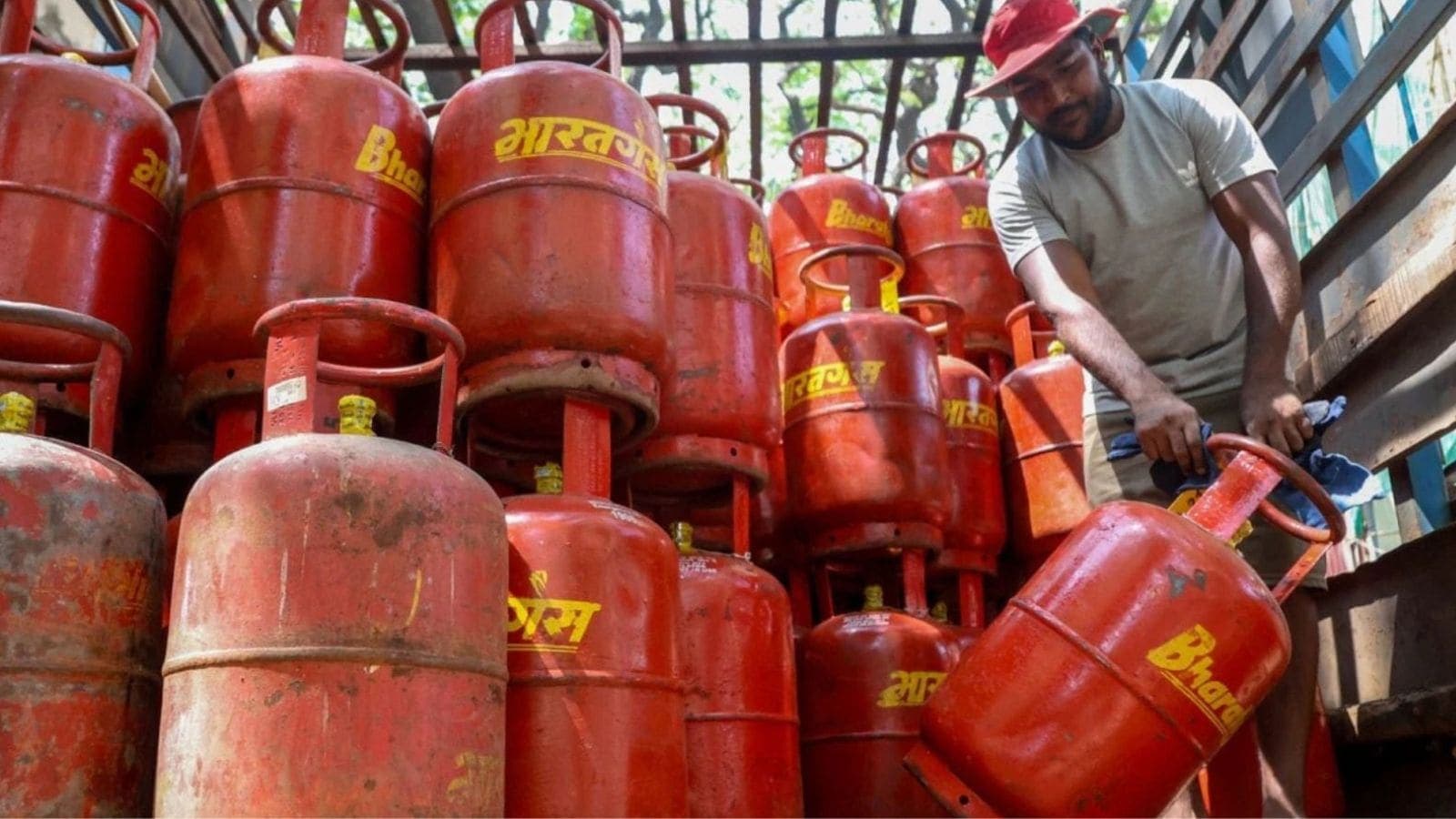
Commercial LPG prices have risen again, with increases of ₹42 in Delhi and ₹53.50 in Kolkata impacting businesses and consumers alike. Find out more.
Indian Express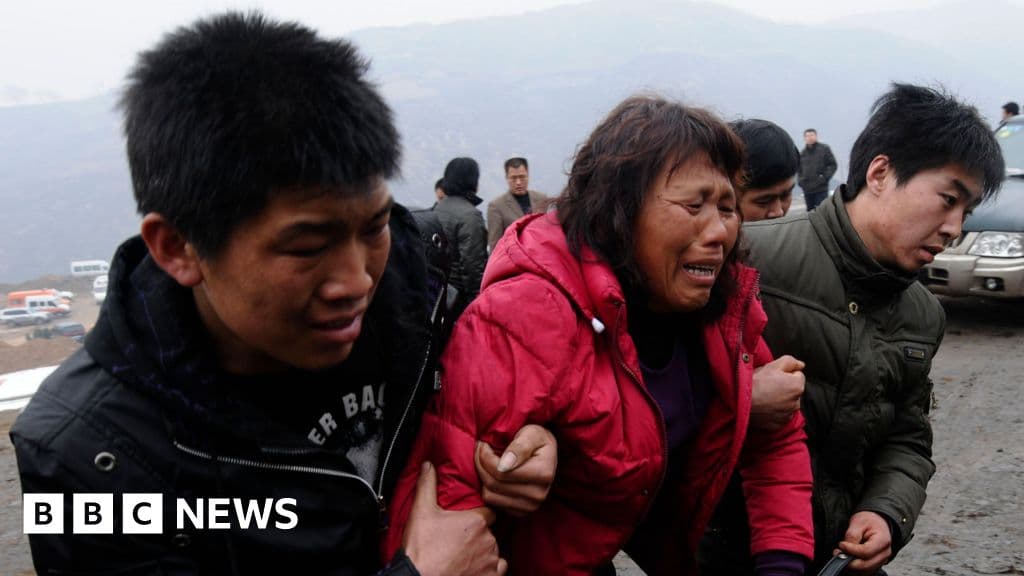
Discover how a tragic coal mine explosion in Shanxi, China, reveals ongoing safety concerns in the industry amidst a push for green energy.
BBC Business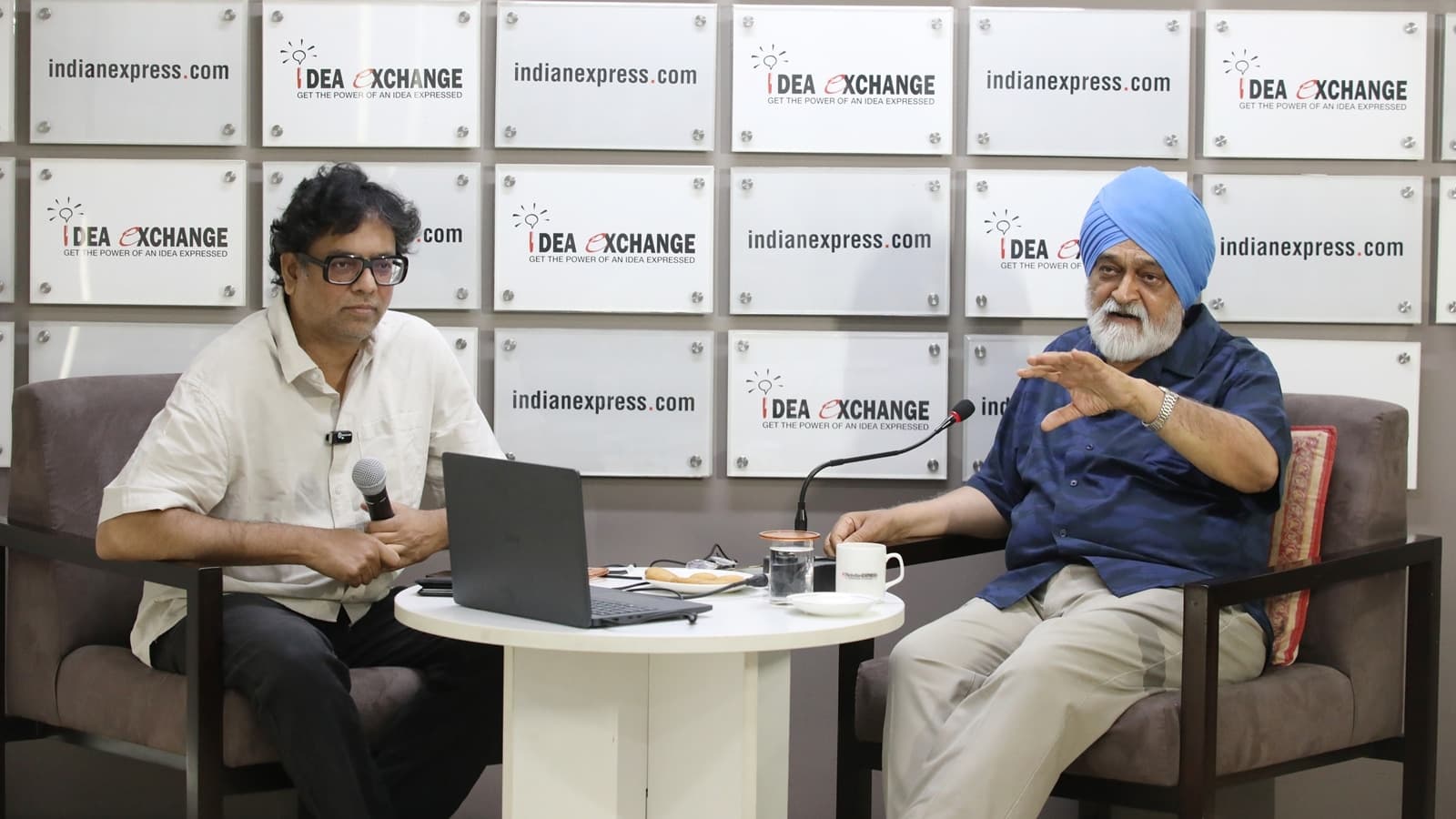
Montek Singh Ahluwalia highlights key economic challenges for India, emphasizing the need for a strategic approach to balance payments and investment.
Indian Express