
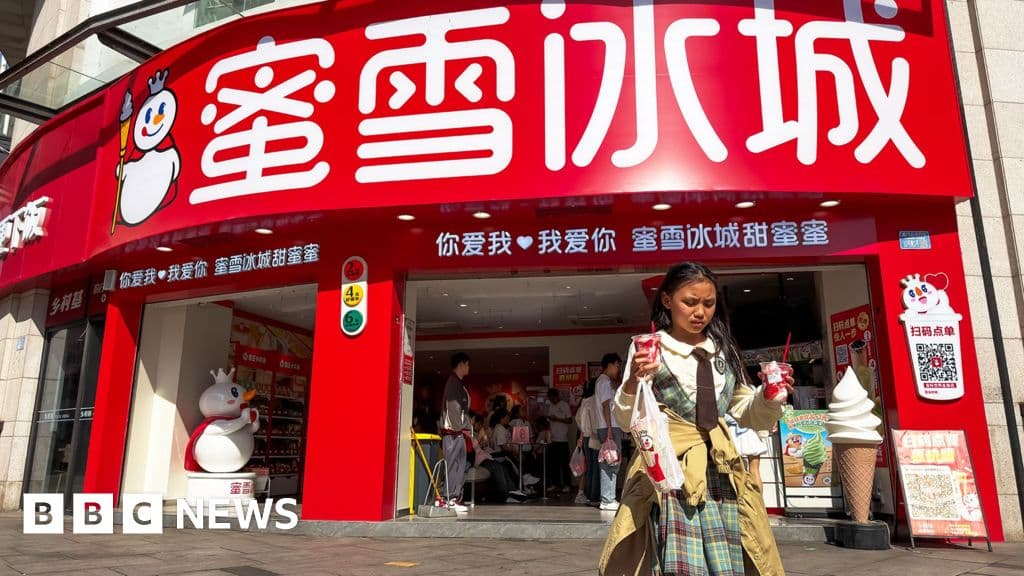
Image: BBC Business
Chinese brands like Haidilao and BYD are redefining global markets. Discover how hotpot, bubble tea, and sportswear are reshaping perceptions of 'Made in China.'
GlipzoIn recent years, Chinese brands have begun to take on the global market by storm, particularly in the realm of food and consumer goods. Notably, chains like Chagee, Molly Tea, and Mixue are captivating customers across various continents, from Singapore to Sydney, and even as far as Los Angeles and London. These brands are not just trendy; they represent a significant shift in how China is perceived on the world stage.
As the second-largest consumer market in the world, China possesses a unique advantage. Chinese firms are transitioning from traditional low-cost manufacturing to establishing themselves as globally recognized consumer brands. This evolution is crucial as competition within China intensifies, prompting companies to seek growth opportunities outside their borders.
Despite the strides made by these Chinese brands, there remains a lingering stigma associated with the phrase “Made in China.” Historically, it has been synonymous with cheap and low-quality goods. However, experts like Tim Parkinson from Storytellers China argue that this perception is outdated. “China has moved beyond a replication economy,” he states. “Its products now meet the expectations of a new generation of demanding global consumers.”
The success of brands like Miniso, which has expanded to operate in over 50 countries, exemplifies this shift. Miniso offers a range of products from toys to movie merchandise, capitalizing on the global demand for affordable yet stylish items. According to Vincent Huang, Miniso’s general manager for overseas markets, consumers are increasingly less concerned about a brand's origin. What matters more is the overall shopping experience, including design, value, and enjoyment.
Beyond consumer goods, China is also making significant strides in the electric vehicle (EV) sector. BYD, an automotive manufacturer, has recently surpassed Tesla to become the largest EV maker in the world. This achievement is attributed to early investments in technology and the ability to scale operations effectively within China's extensive domestic market.
BYD is not stopping at vehicles; the company is actively developing ultra-fast charging systems that significantly enhance driving range in mere minutes. The Chinese government’s supportive policies, including subsidies and incentives, have also fueled the growth of the EV sector, although this has raised concerns in the US and Europe about potential unfair advantages.
Anta, a major player in the sportswear industry, exemplifies how Chinese brands can thrive on a global scale. With nearly 13,000 stores worldwide, Anta ranks as the third-largest sportswear brand globally, trailing only behind Nike and Adidas. The company effectively tapped into the Chinese market before making strategic acquisitions of international brands like Salomon and Wilson, as well as a substantial stake in Puma.
As more Chinese firms venture into Western markets, many have chosen Southeast Asia as a proving ground. With a youthful, affluent consumer base exceeding 650 million, Southeast Asia presents a unique opportunity for brands to establish themselves while facing competition from well-known Western companies.
Haidilao, a hotpot restaurant chain, is another example of a Chinese brand that has successfully expanded internationally. Since opening its first overseas location in Singapore in 2012, Haidilao has grown to become the world’s largest hotpot chain, boasting over 1,300 restaurants across 14 countries.
According to Zhou Zhaocheng, vice chairman of Haidilao International, the chain's global success story reflects China's economic transformation over the past three decades. The brand's international reach relies on a strong identity, a robust operational framework, and a loyal customer base. However, Zhou emphasizes that entering new markets requires careful consideration of local cultures, legal frameworks, and consumer preferences, making it essential to tailor food offerings and service styles accordingly.
As part of its global strategy, Haidilao is seeking halal certification in countries like Indonesia and Malaysia to cater to local dietary requirements, which could significantly broaden its customer base.
The global emergence of Chinese consumer brands signifies a critical shift in the marketplace. As these companies transition from manufacturing to branding, they are not only changing perceptions about Chinese products but also influencing global consumer trends.
As these trends develop, observers should watch how these brands navigate the complexities of global consumer preferences and regulatory environments. The success of Haidilao, Anta, and others could set the stage for a new era of international business where “Made in China” is redefined to signify innovation, quality, and customer-centric experiences.
In summary, the rise of hotpot, bubble tea, and sportswear brands from China is more than just a trend; it underscores a significant transformation in global commerce that is reshaping consumer habits and market dynamics worldwide.
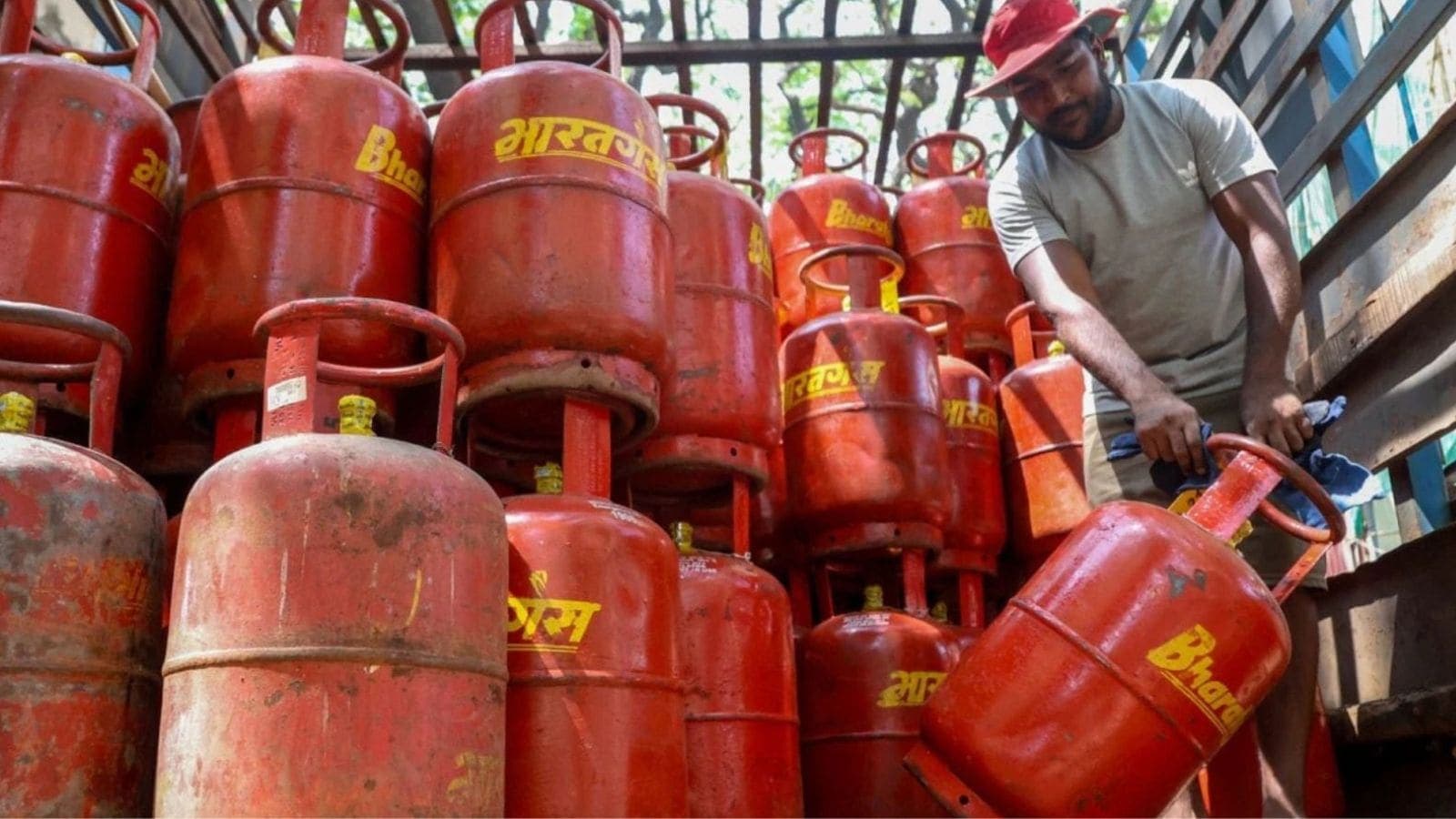
Commercial LPG prices have risen again, with increases of ₹42 in Delhi and ₹53.50 in Kolkata impacting businesses and consumers alike. Find out more.
Indian Express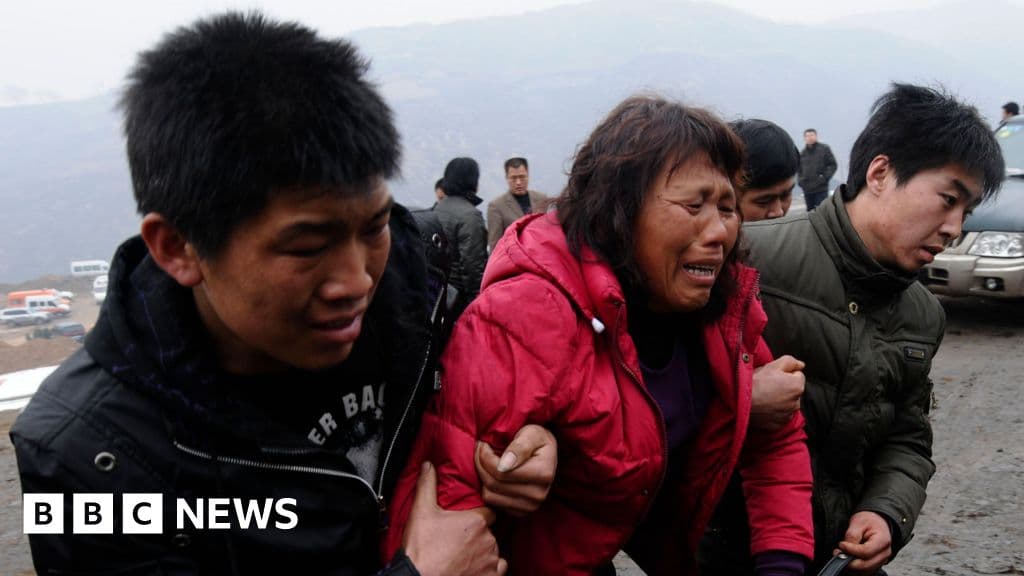
Discover how a tragic coal mine explosion in Shanxi, China, reveals ongoing safety concerns in the industry amidst a push for green energy.
BBC Business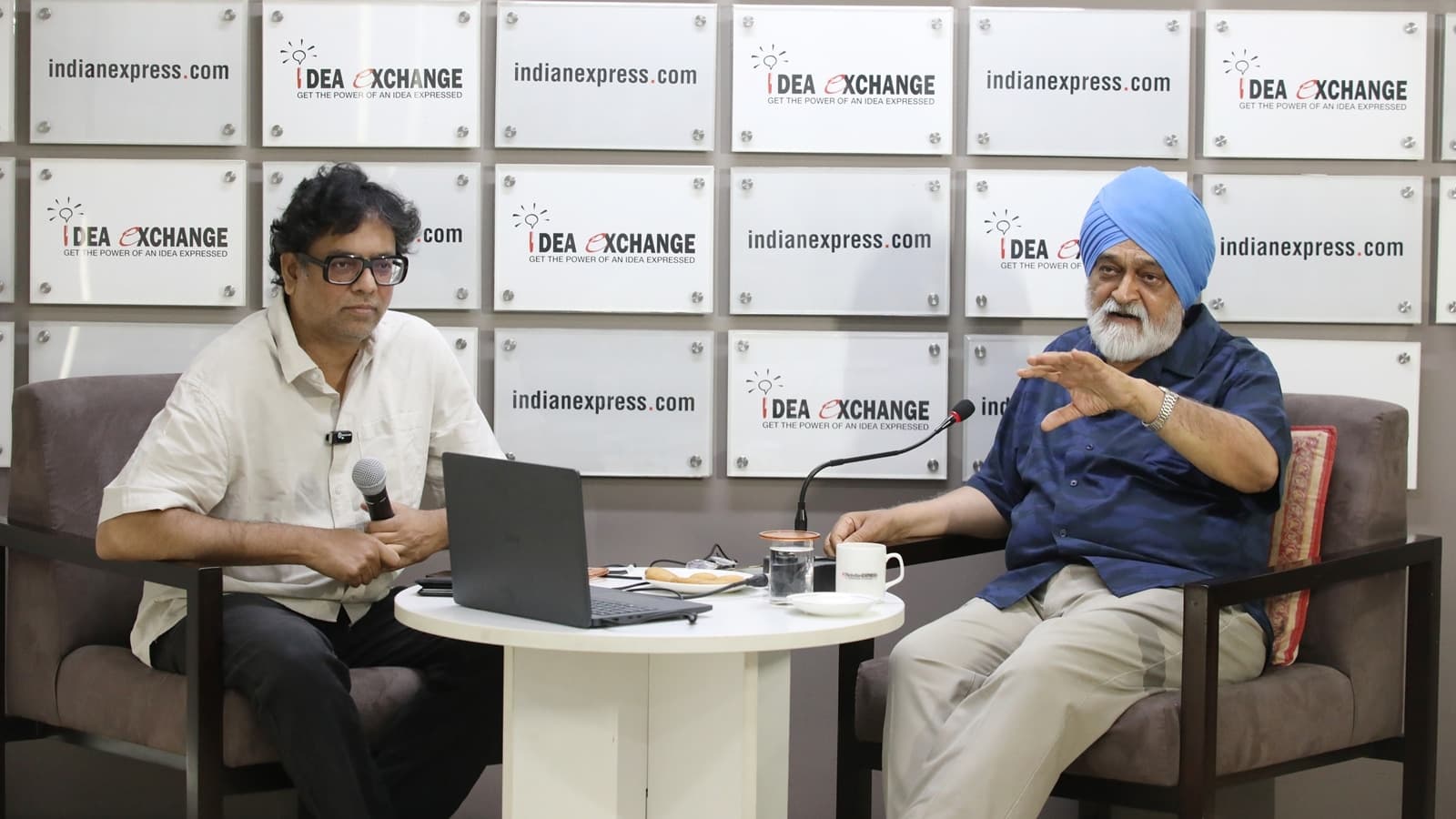
Montek Singh Ahluwalia highlights key economic challenges for India, emphasizing the need for a strategic approach to balance payments and investment.
Indian Express