
Image: BBC Business
Discover how China's AI assistant OpenClaw, known as 'lobster', is transforming industries and driving a tech revolution amid government support.
GlipzoIn a surprising twist of fate, China's tech landscape has become enamored with an AI assistant known as OpenClaw, affectionately dubbed "lobster" by its users. This phenomenon reflects the growing ambition of Beijing and its leadership's unwavering support for artificial intelligence. As the world's second-largest economy embraces this technology, the implications for both domestic innovation and global tech dynamics are profound.
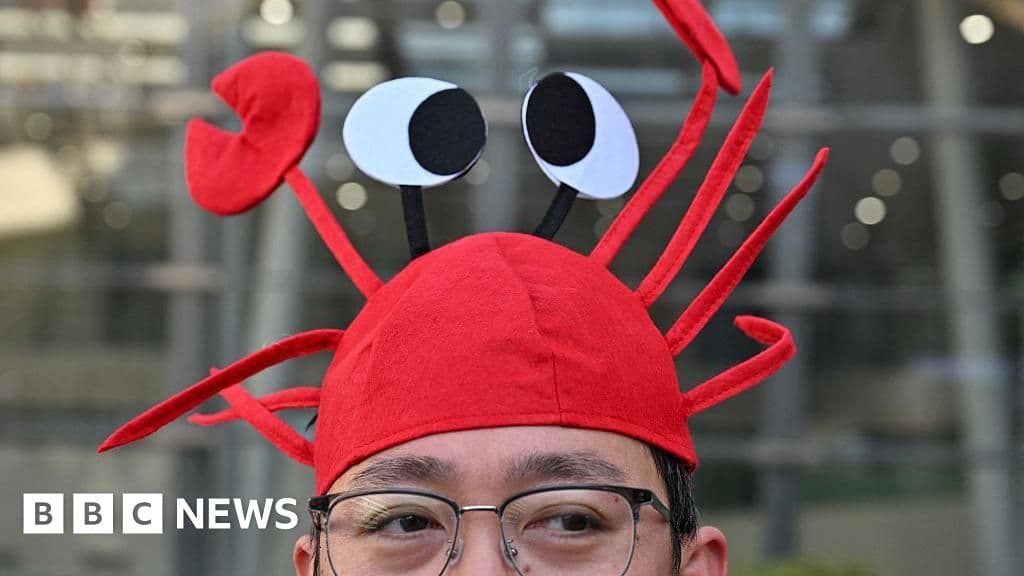
Young IT engineer Wang, who recently spoke with the BBC, exemplifies this AI obsession. His initial question, "Are you a lobster?" highlights just how deeply he has engaged with OpenClaw. Once he confirmed he was indeed speaking to a human, Wang elaborated on his thrilling experience with this AI assistant, illustrating how it has transformed his online business operations.
OpenClaw, created by Austrian developer Peter Steinberger, has garnered immense popularity, primarily due to its open-source nature. This allows users in China to modify the code to integrate with local AI frameworks, a significant advantage given that prominent Western models like ChatGPT remain inaccessible within the country. The arrival of OpenClaw has sparked a wave of experimentation, with many users eager to unlock its potential.
Wang, who operates a TikTok shop selling digital gadgets, shared that before using OpenClaw, he could only manage about a dozen product listings daily. However, with his customized version of the AI assistant, he can now accomplish up to 200 listings in just two minutes. "It is both scary and exciting; my lobster is better than I am at this," he remarked, emphasizing the efficiency and effectiveness of AI in his workflow.
The surge in interest surrounding OpenClaw can be attributed to its ability to resonate with a wide audience. According to Wendy Chang of the MERICS think-tank, the excitement around this tool is distinctly Chinese in nature. From students to retirees, countless individuals are seeking to harness the power of AI, flocking to tech giants like Tencent and Baidu for tailored versions of the assistant.
The fascination extends beyond simple productivity; many users have reported leveraging OpenClaw for stock investments, with some claiming their "lobsters" can analyze optimal trading times and execute transactions. Comedian and author Li Dan even humorously shared on Douyin that he became so immersed in OpenClaw that he dreamed about it. This blend of practicality and personal engagement has made OpenClaw a cultural touchstone in recent months.
The rise of OpenClaw did not occur in a vacuum; it follows the success of the Chinese AI application DeepSeek, which captured the public's imagination early last year. Developed by top engineers from elite Chinese universities, DeepSeek showcased the country's burgeoning appetite for open-source innovation in the face of technological restrictions. This momentum paved the way for OpenClaw's ascendance.
The Chinese government's keen interest in fostering AI development has also played a crucial role. Various cities and regions are now offering incentives for entrepreneurs to adopt and innovate using OpenClaw, further propelling its popularity. As the landscape evolves, it's clear that the AI revolution in China is gaining traction, driven by both public enthusiasm and governmental support.
The implications of OpenClaw's rise are significant, not only for China's economy but also for its position in the global tech arena. As citizens embrace AI tools, the potential for further innovation and development becomes apparent.
As the AI landscape continues to evolve in China, several key trends are emerging:
1. Continued Government Support: Expect to see more policies aimed at fostering AI innovation, with incentives for startups and established companies alike. 2. Rise of Custom AI Solutions: As OpenClaw demonstrates, the demand for tailored AI applications will likely grow, leading to even more specialized tools for various sectors. 3. Increased Global Competition: With China making significant strides in AI, competition with Western tech giants will intensify, potentially leading to a reshaping of the global tech hierarchy.
In conclusion, the phenomenon surrounding OpenClaw is not just a passing trend but a glimpse into the future of AI in China. As users engage with this technology, the possibilities for innovation and economic growth seem boundless. The world will be watching closely as this AI revolution unfolds.
Nvidia's new RTX Spark chip aims to transform personal computing with AI, marking a significant shift in technology. Discover what this means for consumers.
BBC Business
The explosion of Blue Origin's New Glenn rocket raises significant concerns over NASA's lunar ambitions and the future of Amazon's satellite projects. Discover the implications.
BBC Science
Discover how Meta's lack of engagement on user bans raises critical concerns about accountability and transparency in social media governance.
BBC Technology