
Image: BBC World
Explore the fierce AI race between the US and China, focusing on technology, economic implications, and future developments as both countries vie for supremacy.
GlipzoIn an era reminiscent of the Cold War’s nuclear arms race, the United States and China are engaged in a fierce competition centered around Artificial Intelligence (AI). This race is not just a technological challenge; it represents a broader struggle for global dominance, with implications that extend well into the future. As both nations invest heavily in their respective AI capabilities, the outcome could reshape economies, influence national security, and redefine the global balance of power.
The competition has evolved significantly from the 20th century, where the focus was on nuclear capabilities, to today's focus on cutting-edge technology. The stakes are high, with trillions of dollars at play in research facilities, universities, and innovative start-ups. Leaders from major corporations and government officials are closely watching this high-stakes game.
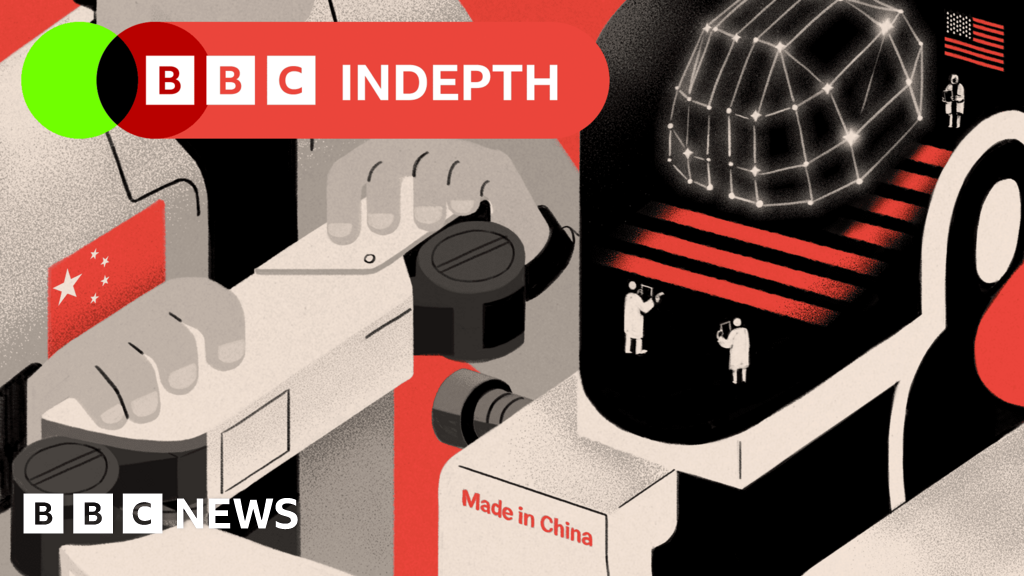
The distinct strengths of each nation are often encapsulated by Nick Wright, a cognitive neuroscience expert at University College London, who describes the rivalry as a clash between "brains" and "bodies". The United States has historically excelled in developing AI brains—technologies such as chatbots, microchips, and large language models (LLMs). In contrast, China has made remarkable advancements in AI bodies, particularly in the development of humanoid robots that closely resemble humans.
As the competition intensifies, both nations are aware that their current advantages may not last indefinitely. Innovations are accelerating, and the potential for breakthroughs on either side could dramatically alter the landscape of the AI race.
A pivotal moment in this ongoing contest occurred on November 30, 2022, when California-based OpenAI unveiled ChatGPT, a revolutionary chatbot. This six-sentence announcement marked the beginning of a new era in AI technology. According to Bloomberg columnist Parmy Olson, the introduction of ChatGPT sparked a frenzy across social media platforms, as users explored a myriad of applications for this innovative tool.
ChatGPT is the first mainstream LLM capable of analyzing vast datasets and recognizing patterns in human language. Experts now widely acknowledge that the United States holds the upper hand in AI brain technology. OpenAI reports that over 900 million users engage with ChatGPT weekly, which accounts for nearly one in eight people globally. Other American tech giants, including Anthropic, Google, and Perplexity, are racing to develop competing systems, investing billions to secure their place in this lucrative market.
The potential of LLMs extends beyond simple conversation; they are poised to transform white-collar professions, automating tasks traditionally performed by humans. As companies innovate and refine these technologies, the economic benefits could be substantial. However, there’s an underlying concern in Washington about how these advancements will impact the U.S.-China rivalry.
A senior U.S. official, speaking to the BBC, emphasized that America’s strategic edge lies not solely in superior algorithms but in the hardware that powers these advancements. Most of the advanced computer chips driving AI innovations are designed and controlled by American companies, primarily Nvidia. In October 2023, Nvidia made headlines by becoming the first company to achieve a staggering $5 trillion valuation, underscoring its pivotal role in the AI landscape.
The U.S. government has implemented a comprehensive network of export controls to prevent China from accessing these high-performance chips. This policy has its roots in the Cold War, originally aimed at restricting advanced electronics exports to Soviet-aligned nations. However, it was significantly tightened in 2022 under President Joe Biden, reflecting the urgency of the AI race.
Interestingly, while the majority of these crucial chips aren't produced in the U.S., they are often manufactured in Taiwan, a key ally. The Taiwan Semiconductor Manufacturing Corporation (TSMC) plays a critical role in producing these advanced chips, further complicating the dynamics of this technological rivalry.
The implications of this AI race are profound. As the U.S. and China vie for supremacy, the decisions made today will shape technological advancements for generations to come. The battle for AI dominance is not merely a contest of who can create better technology; it encompasses national security, economic stability, and global influence.
As the landscape continues to evolve, it will be crucial for both nations to navigate this competitive terrain carefully. The outcomes of these technological innovations could redefine industries, alter job markets, and even influence diplomatic relations.
As we look to the future, it’s essential to monitor key developments in both the U.S. and China. Will the U.S. maintain its lead in AI brains, or will China make significant strides in humanoid robotics and AI bodies? How will international policies on technology and trade evolve in response to these advancements?
The answers to these questions will not only determine which country emerges victorious in the AI race but also how the global community adapts to the rapidly changing technological landscape. Observers should keep a close eye on upcoming innovations, regulatory changes, and international collaborations that could influence the trajectory of this critical competition.
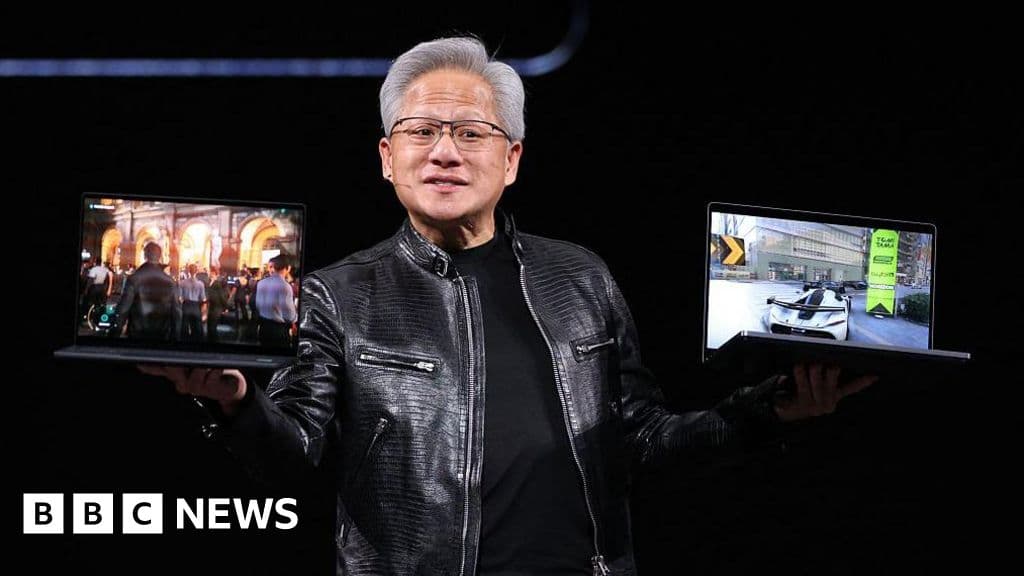
Nvidia's new RTX Spark chip aims to transform personal computing with AI, marking a significant shift in technology. Discover what this means for consumers.
BBC Business
The explosion of Blue Origin's New Glenn rocket raises significant concerns over NASA's lunar ambitions and the future of Amazon's satellite projects. Discover the implications.
BBC Science
Discover how Meta's lack of engagement on user bans raises critical concerns about accountability and transparency in social media governance.
BBC Technology