
Image: BBC Business
Caribbean hot sauce producers face rising prices and shortages due to climate change and severe weather. What does this mean for consumers and the industry?
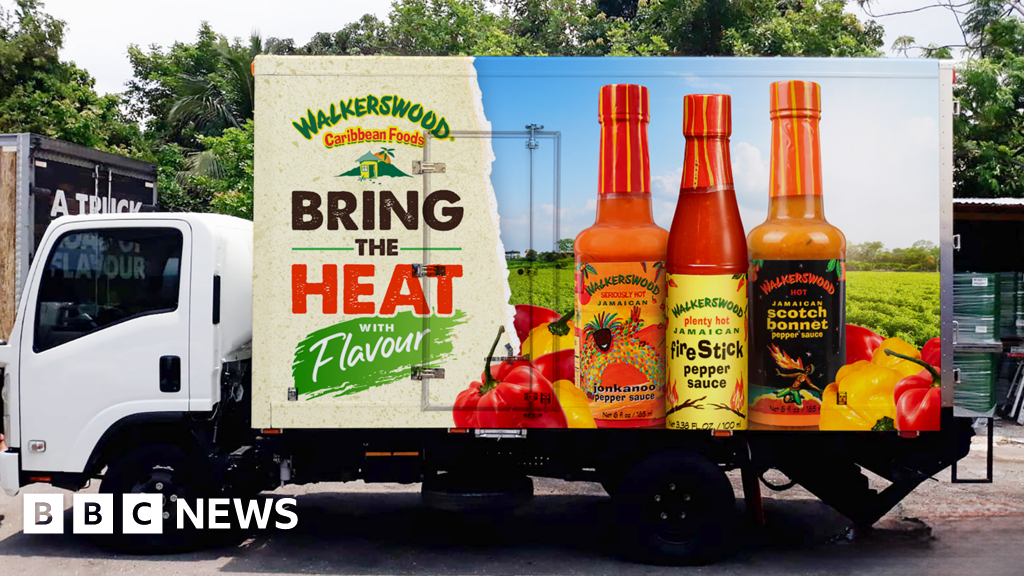
GlipzoIn the Caribbean, hot pepper sauce holds a cultural significance that rivals ketchup in the United States. This fiery condiment is a fundamental part of the region's cuisine, enhancing a wide array of dishes from traditional rice and peas to hearty curries and stews. Its popularity has grown beyond local kitchens, as Caribbean brands are increasingly finding their way into international markets, including major retailers like Walmart in the US, Tesco in the UK, and Woolworths in Australia. However, a looming shortage of the vital Scotch bonnet pepper is now threatening to disrupt this vibrant industry, leading to soaring prices for producers.
Producers are facing a perfect storm of challenges that include severe weather conditions, agricultural diseases, and pest infestations. The beloved Scotch bonnet pepper, known for its unique flavor and heat, is particularly difficult to cultivate, and recent extreme weather events have made the situation more dire. According to industry experts, Hurricane Melissa, which struck Jamaica last October, has had a lasting impact on the agricultural sector. This hurricane was recorded as the strongest in the island's history, devastating farms that were still recovering from the effects of Hurricane Beryl the previous year.
Sean Garbutt, from Associated Manufacturers, which produces the popular Walkerswood sauces and seasonings, explained the impact of these weather events: "We were hugely limited, and we did have to cancel orders." Walkerswood exports roughly 95% of its products, with a significant two-thirds going to the United States. In the past year alone, the company shipped out the equivalent of 500 twenty-foot cargo containers.
The central obstacle to the growth of Caribbean hot sauce producers remains the availability of fresh peppers. As Garbutt noted, many farmers have shifted from growing Scotch bonnets to more resilient crops like sweet potatoes due to the volatility of pepper production. "Our top-selling product, the Scotch Bonnet Pepper Sauce, is a challenge to maintain because it requires fresh peppers. We don’t add any coloring, so the peppers need to be crushed and cooked within a week to preserve that vibrant color that consumers love," he added.
Heavy rainfall not only affects the pepper supply but can also alter the taste of the sauce. Walkerswood has gained a reputation for producing some of the hottest sauces on the market, and Garbutt noted that fluctuations in heat levels often stem from weather conditions. "We might receive calls from customers who notice that our sauce isn't as hot as they remember. We have to explain that it’s all due to the weather," he said.
In Jamaica, Scotch bonnet peppers are more than just an ingredient; they represent a significant aspect of the island's culture and culinary identity. Drew Gray, whose family has been in the hot sauce business for over five decades, commented on the importance of this pepper variety: "Hot sauce is present at every cook shop and restaurant in Jamaica. It’s almost offensive if it’s not available. We have a high heat tolerance, and our cuisine reflects that."
Yet, the current shortages have posed serious challenges for producers like Gray. "Climate change is hitting the Caribbean the hardest. Back-to-back hurricanes have wiped out much of the crop, leading to shortages, and farmers are increasingly reluctant to replant," Gray noted.
The economic repercussions of these challenges are stark. After Hurricane Melissa, Gray reported that the price of Scotch bonnets surged by nearly 10 times, contributing to an overall increase of 40-50% in the past two years. To mitigate these effects, Gray’s Pepper has adopted a strategy of maintaining higher stock levels throughout the year. "Going into Beryl, we had about six months of inventory, and we did the same for Melissa. While it strains our cash flow, it helps us withstand these storms – literally and figuratively," he explained.
The situation facing Caribbean hot sauce producers highlights the urgent need for sustainable agricultural practices as the effects of climate change become increasingly apparent. The fluctuation in pepper availability and quality poses a serious threat to both local economies and global markets that rely on these unique products. As the industry navigates these challenges, it’s likely that prices will continue to grow, especially if weather patterns remain unpredictable.
The implications of these shortages extend beyond just pricing; they touch upon the cultural heritage of Caribbean cuisine and the livelihoods of farmers in the region. As consumers become more aware of the challenges faced by producers, there may be a call for greater investment in sustainable farming practices and climate resilience strategies.
As we look to the future, stakeholders in the Caribbean hot sauce industry will need to adapt to changing environmental conditions and consumer preferences. Increased awareness and advocacy for sustainable farming could pave the way for innovative solutions that ensure the continued production of these beloved sauces. The global appetite for Caribbean flavors remains strong, but whether producers can meet this demand amidst environmental challenges will be critical to watch.
In summary, the upcoming months will be crucial for Jamaican pepper farmers and sauce producers as they navigate the intersection of climate change, supply chain disruptions, and shifting consumer expectations. This unfolding situation not only impacts local economies but also the culinary landscape worldwide, making it a topic of ongoing interest and concern.
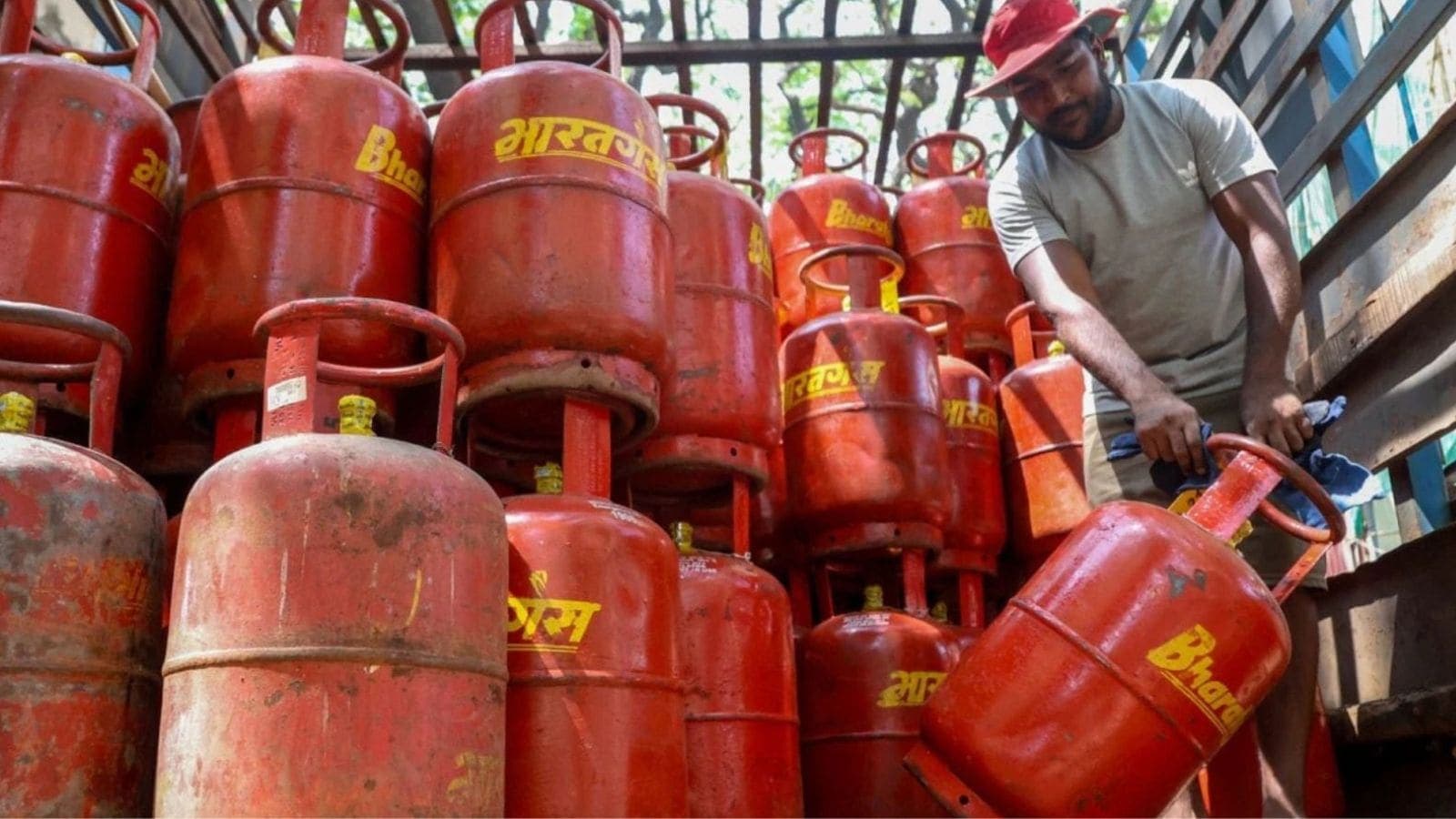
Commercial LPG prices have risen again, with increases of ₹42 in Delhi and ₹53.50 in Kolkata impacting businesses and consumers alike. Find out more.
Indian Express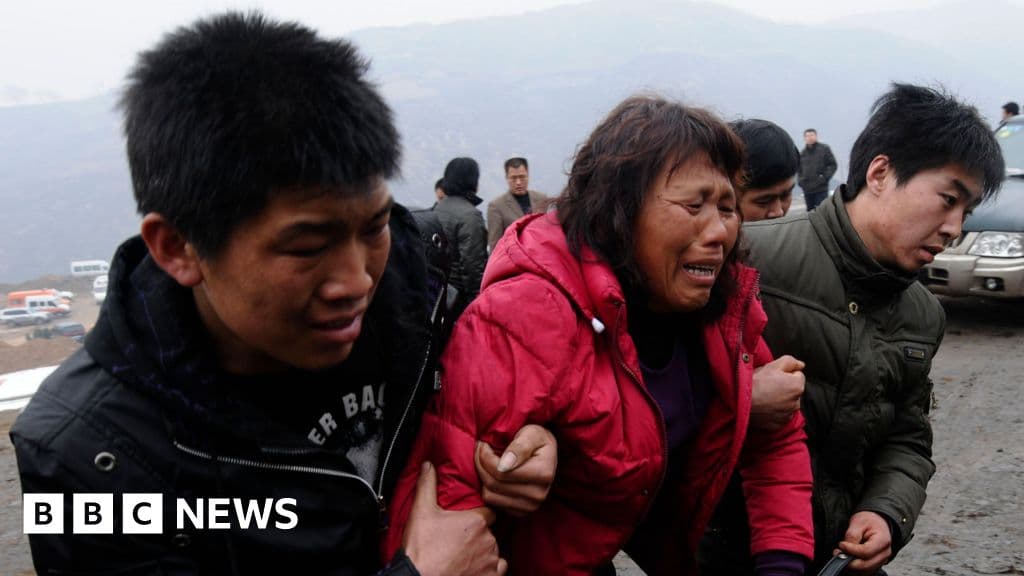
Discover how a tragic coal mine explosion in Shanxi, China, reveals ongoing safety concerns in the industry amidst a push for green energy.
BBC Business
Montek Singh Ahluwalia highlights key economic challenges for India, emphasizing the need for a strategic approach to balance payments and investment.
Indian Express