
Image: BBC Business
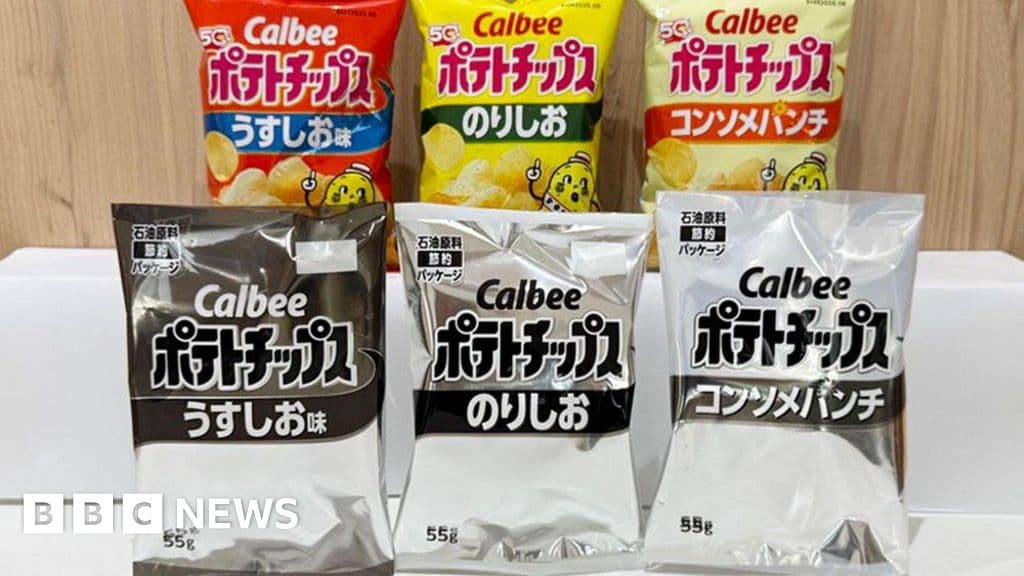
Calbee temporarily shifts to black and white packaging for snacks as the Iran conflict disrupts ink supplies. What does this mean for consumers and businesses?
GlipzoIn a surprising turn of events, Calbee, the renowned Japanese snack manufacturer, has announced a temporary switch to black and white packaging for several of its beloved snack products. This change, set to take effect on May 25, affects 14 different items, including popular crisps and prawn crackers. The decision comes as supply disruptions caused by the ongoing Iran conflict have impacted the availability of essential ingredients used in packaging ink.
The situation unfolding in the Middle East has become increasingly dire, with the Strait of Hormuz—a vital waterway for global oil transport—being effectively closed in response to escalating tensions between Iran, the United States, and Israel. This geopolitical strife has sparked significant challenges for businesses worldwide, leading to rising costs for essential goods and materials.
Calbee's announcement reflects a broader trend affecting many industries due to the conflict. The company stated that their design overhaul is a proactive step aimed at ensuring a stable supply of their products despite the mounting supply instability. This shift is crucial as the war, which began on February 28, has led to a surge in oil and gas prices, compounding existing logistical challenges.
In their official statement, Calbee emphasized the necessity of this measure, noting: > "This measure is intended to help maintain a stable supply of products."
The effects of the conflict have rippled across various sectors. Notably, naphtha, a key byproduct of oil refining used in both ink and plastics, has seen prices in Asia nearly double since the onset of hostilities. This dramatic increase has put additional financial strain on manufacturers and suppliers in the region, many of whom are already grappling with high commodity costs.
Before the conflict escalated, approximately 40% of Japan's naphtha was sourced from the Middle East. According to Kei Sato, Japan's deputy chief cabinet secretary, the government is actively working to mitigate the impact of these supply disruptions. He reiterated that efforts are being made to stabilize the situation and address any resulting bottlenecks in the supply chain.
Japanese Prime Minister Sanae Takaichi has also announced plans to diversify Japan's naphtha supply sources, aiming to decrease reliance on Middle Eastern imports by integrating options from the United States and other regions. This strategic shift is crucial as the nation navigates the complexities of a changing global supply landscape.
The ripple effects of the Iran conflict extend beyond snacks. Mizkan, a Japanese food producer known for its fermented soybean snacks, has already suspended sales of certain products and increased prices on others due to a shortage of polystyrene containers. This highlights the interconnected nature of supply chains and how disruptions in one area can lead to cascading effects throughout the economy.
Automakers are also feeling the crunch. Major players such as Toyota and Hyundai have reported diminished profits attributable to soaring material costs compounded by reduced sales volumes. The automotive sector's reliance on stable supply chains means that any disturbance can significantly impact their bottom lines.
Meanwhile, the airline industry is grappling with the fallout from soaring jet fuel prices, forcing many carriers to ground flights and pause operations. The global disruption has led to numerous airlines reevaluating their operational strategies to adapt to the new economic realities brought on by the war.
The retail landscape is not immune to these challenges. Last week, UK-based fashion retailer Next announced price hikes of up to 8% for various products in markets outside Europe, attributing the increases to rising fuel prices and ongoing supply chain interruptions. This pattern of price inflation is becoming commonplace as businesses seek to pass on increased costs to consumers.
The ongoing conflict in Iran is shedding light on the fragility of global supply chains and the far-reaching effects of geopolitical tensions. As industries grapple with rising costs and supply shortages, consumers may soon feel the impact in their wallets. The situation underscores the need for businesses to adapt quickly and innovate to maintain stability and profitability in uncertain times.
As the situation in the Middle East continues to evolve, it is imperative for consumers and businesses alike to stay informed about potential supply chain disruptions. Calbee's decision to alter its packaging serves as a stark reminder of how quickly external factors can influence product availability and pricing.
Moving forward, watch for further announcements from manufacturers and retailers regarding changes in product offerings and pricing strategies. The ability to navigate these tumultuous waters will be crucial for businesses hoping to survive and thrive in a post-conflict landscape. The resilience of the supply chain will be tested in the coming weeks and months, making it an essential area to monitor as events unfold.
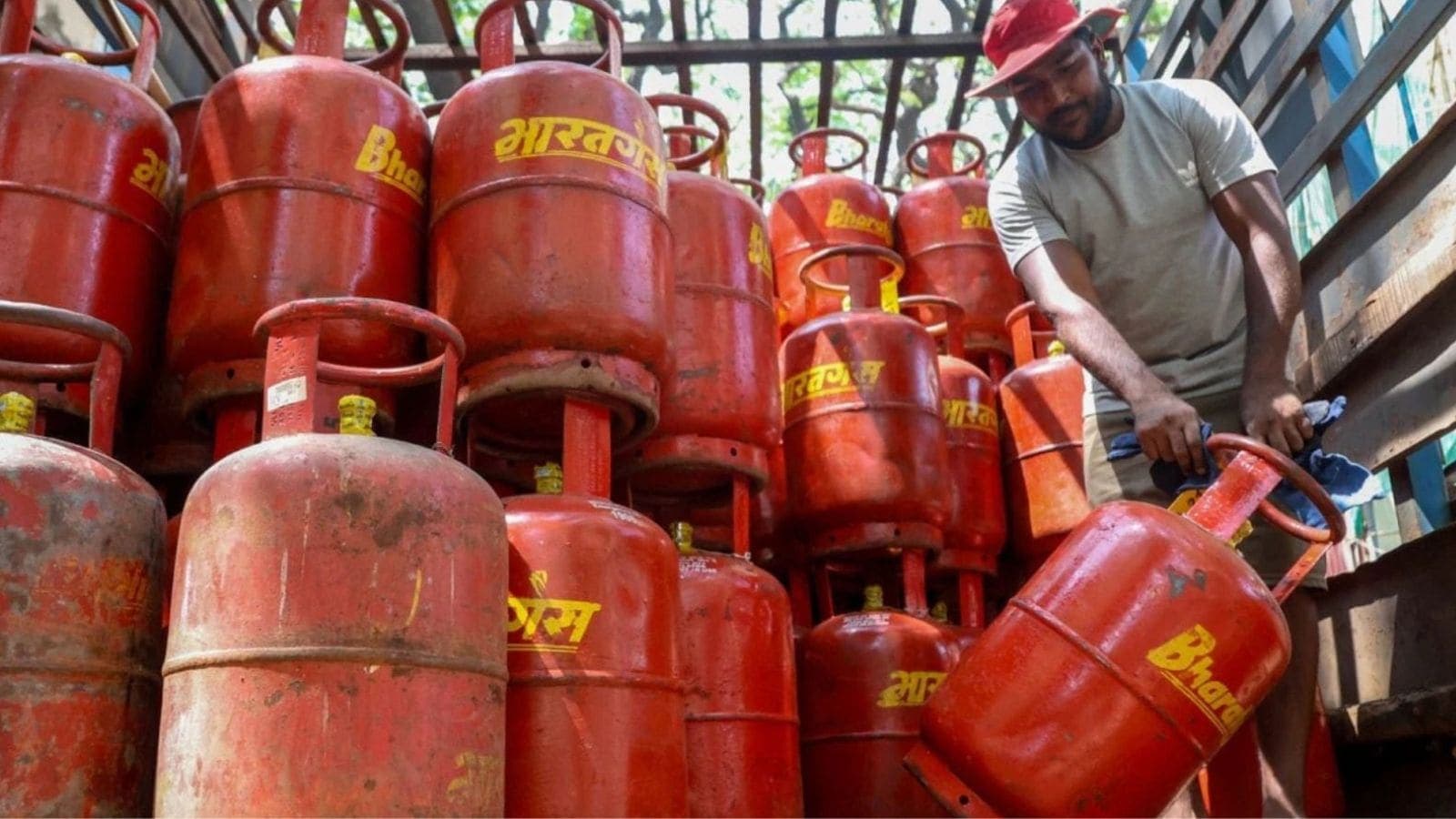
Commercial LPG prices have risen again, with increases of ₹42 in Delhi and ₹53.50 in Kolkata impacting businesses and consumers alike. Find out more.
Indian Express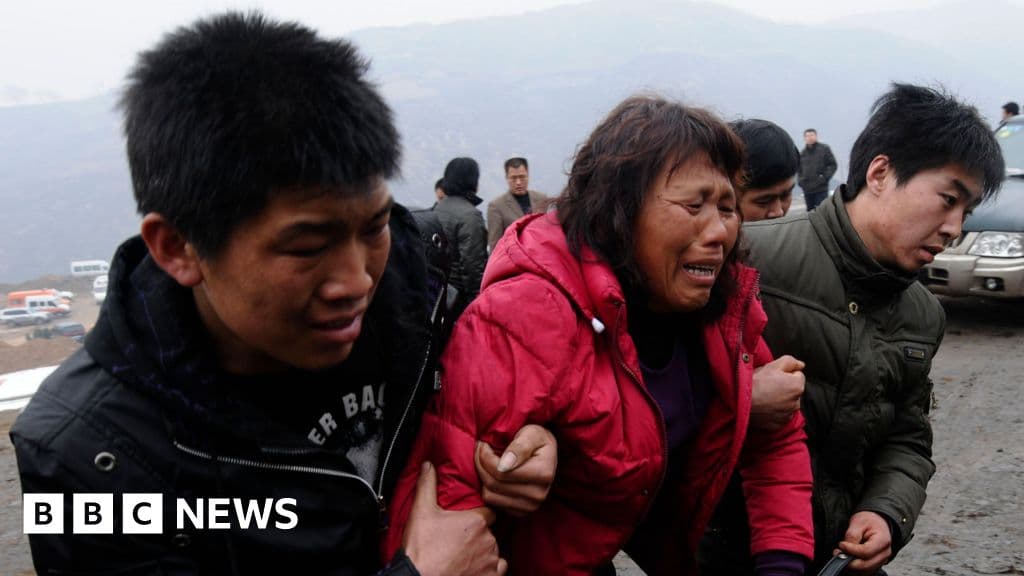
Discover how a tragic coal mine explosion in Shanxi, China, reveals ongoing safety concerns in the industry amidst a push for green energy.
BBC Business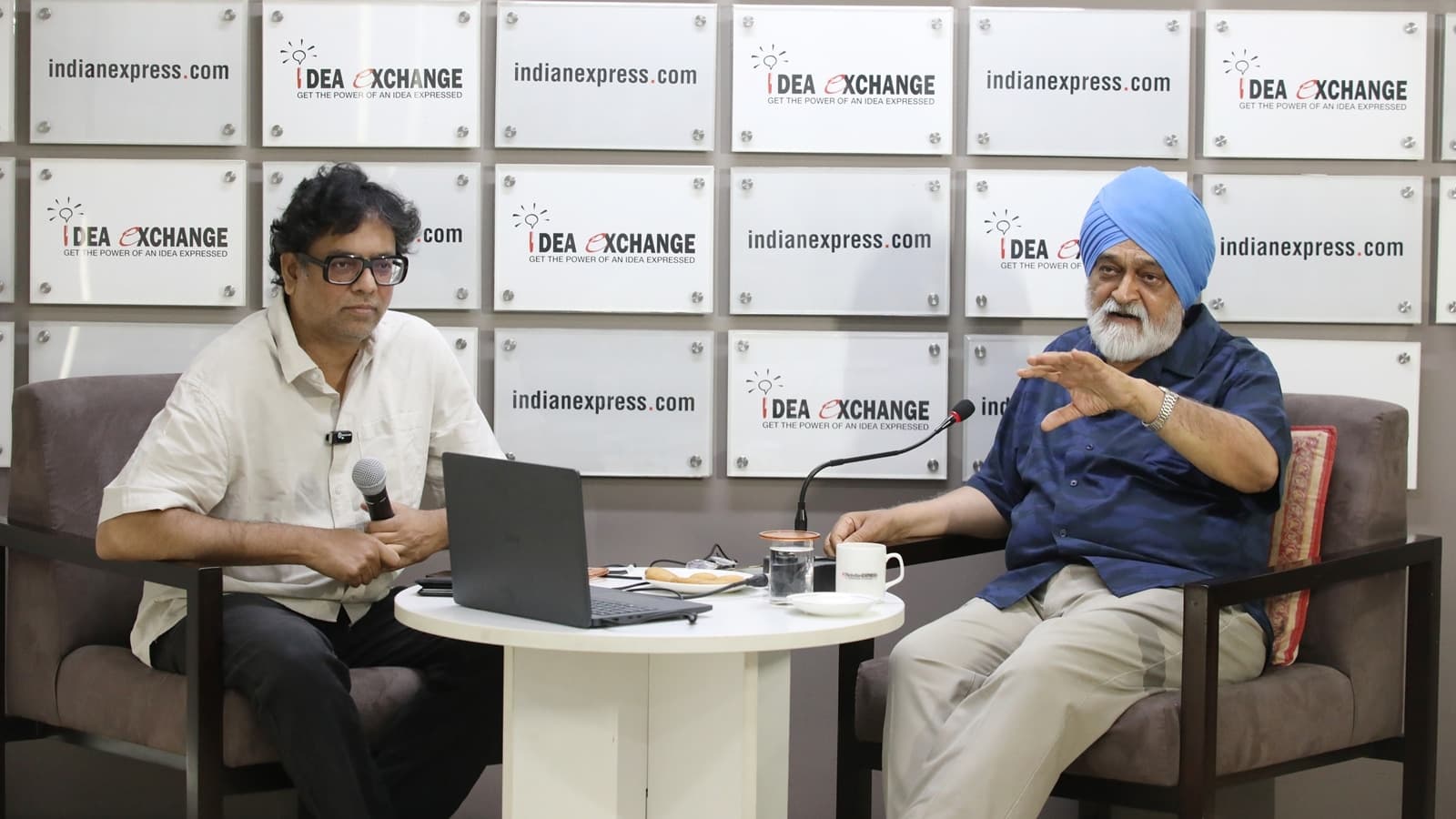
Montek Singh Ahluwalia highlights key economic challenges for India, emphasizing the need for a strategic approach to balance payments and investment.
Indian Express