

Image: Wired
Discover how BYD's revolutionary Flash Chargers are set to transform EV charging, making it faster and easier than ever before.
GlipzoThe rapid charging capabilities of BYD's new chargers stem from their impressive output of up to 1,500 kilowatts (kW) per charge. In contrast, the typical 350 kW hyper-fast chargers commonly found in the U.S. take 15 to 25 minutes to recharge 80% of a battery, with full charges taking nearly 40 minutes. This leap in charging speed promises to make the EV experience more comparable to traditional gas refueling, addressing one of the key concerns potential EV buyers have: range anxiety.
However, it is important to note that while this breakthrough is impressive, it does not solve every issue related to EV charging. Currently, only one model, the Denza Z9GT, will be able to utilize the full potential of the Flash Chargers. This model is set to debut in Paris next month and features BYD's latest Blade battery technology, which enables faster charging. BYD's vertical integration—manufacturing its own cars, chargers, and batteries—provides a competitive edge that enhances charging speeds compared to other manufacturers.
The sleek design of the Flash Charger, resembling a gas station pump, hides its complex engineering. Delivering more than a megawatt of power from the grid is a significant challenge that requires advanced hardware and infrastructure. To ease the rollout, BYD plans to integrate these chargers into existing charging networks, thus avoiding starting from scratch. Furthermore, they will implement storage batteries at charging sites to prevent overloading the electrical grid.
For many, the difference between a 20-minute charge and a 5-minute charge is negligible, especially if their daily range needs are comfortably met with home charging. This indicates that while advancements like BYD's Flash Chargers are essential for long-distance travel and reducing range anxiety, they may not fundamentally change the daily charging habits of most EV drivers.
Looking ahead, the focus will be on whether other manufacturers will adopt similar technologies and how they will enhance their charging networks. Additionally, as more consumers embrace EVs, the demand for faster and more efficient charging solutions will only increase, potentially driving further innovation in this space.
In summary, while BYD's Flash Chargers represent a significant technological leap, the broader landscape of EV charging requires a multi-faceted approach, including infrastructure development, consumer education, and continued innovation. As we progress, the industry will need to address not only charging speeds but also accessibility and convenience to ensure a seamless transition to electric mobility.
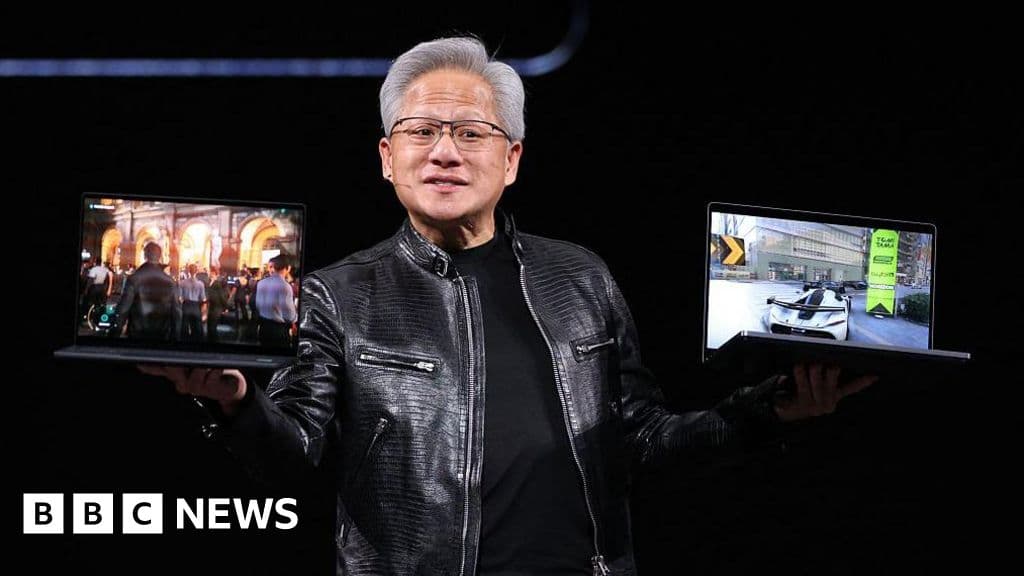
Nvidia's new RTX Spark chip aims to transform personal computing with AI, marking a significant shift in technology. Discover what this means for consumers.
BBC Business
The explosion of Blue Origin's New Glenn rocket raises significant concerns over NASA's lunar ambitions and the future of Amazon's satellite projects. Discover the implications.
BBC Science
Discover how Meta's lack of engagement on user bans raises critical concerns about accountability and transparency in social media governance.
BBC Technology