
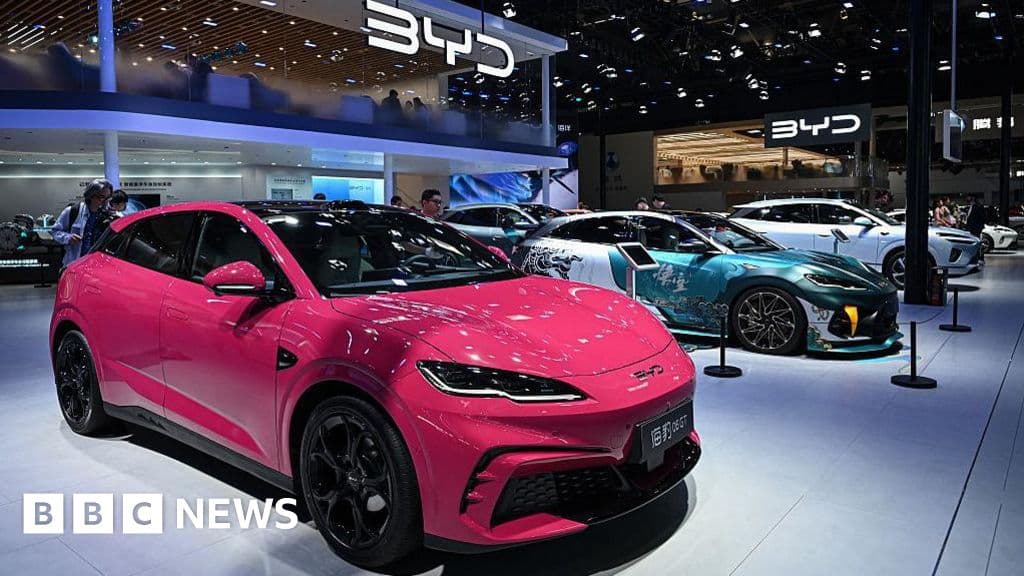
Image: BBC Business
Discover how China's BYD is thriving in the EV market without the US, leveraging innovations amidst global demand for electric vehicles. Click to learn more!
GlipzoThe ongoing conflict in Iran has led to a dramatic rise in fuel prices, triggering a surge in demand for electric vehicles (EVs) worldwide. As consumers increasingly turn to alternatives that promise savings at the pump, Chinese automakers are strategically positioning themselves to capitalize on this growing interest. Leading the charge is BYD, a company that has recently surpassed Tesla as the largest seller of electric vehicles globally and is ambitiously expanding its reach beyond its home market.
At the Beijing Auto Show, BYD's executive vice president, Stella Li, made a bold statement: "We survive and are successful without the US market today." This remark underscores a significant shift in strategy for the company, as it focuses on meeting the rising demand in markets such as Brazil, the UK, and across Europe, rather than setting its sights on the challenging landscape of the United States.
Li attributes the growing interest in EVs to the tangible savings consumers experience amidst soaring oil prices. She stated, "Consumers feel the daily savings when oil prices increase. EVs help them save money every day." However, BYD faces its own challenges, with Li admitting that the company is currently experiencing insufficient production capacity to keep up with demand.
To address concerns over charging times, BYD is betting on its innovative 'flash charging' technology, which Li describes as a potential 'game-changer' for the industry. This technology allows drivers to add hundreds of kilometers of range in just minutes, aiming to sway those who have been hesitant to switch to electric vehicles. As the auto industry gathers momentum, the Beijing Auto Show has become a key platform for showcasing these advancements, with over 1,400 vehicles from various manufacturers on display.
Chinese electric vehicle manufacturers, including BYD, are navigating a complex web of challenges in international markets. The United States, the world’s largest consumer market, has imposed tariffs and regulatory scrutiny on Chinese automakers, raising concerns around government subsidies, data protection, and national security. Despite these hurdles, Li has observed a surge in brand recognition outside the U.S., particularly in the UK, as consumers begin to appreciate the technological advancements being made by Chinese firms.
"We are not just a car company. We produce one-third of global smartphone components, we are a leading player in battery storage, solar panels, buses, and trucks. So BYD is an ecosystem," Li added, highlighting the company’s diversified approach in the tech sector. This broader strategy is crucial as competition intensifies globally, with foreign automakers like Volkswagen, Toyota, and Ford struggling to keep pace with their Chinese counterparts.
The implications of BYD’s success extend far beyond the automotive industry. As global fuel prices rise and consumers seek more affordable and sustainable alternatives, the increased adoption of electric vehicles signifies a pivotal shift in how transportation is viewed. The transition to EVs is not merely a trend but a necessary evolution towards a more sustainable future. This momentum could reshape automotive markets and influence environmental policies worldwide.
Even as BYD continues to gain ground internationally, the domestic market in China presents its own set of challenges. The company has seen a decline in sales for seven consecutive months, contrasting sharply with its 156% sales increase in Europe during the first quarter of this year. This scenario raises questions about the sustainability of the current market dynamics, with Li suggesting that consolidation among manufacturers is inevitable.
"History suggests not all will survive," she remarked, alluding to previous cycles in the auto industry, such as the rise of Japanese and South Korean automakers in the late 20th century. As the landscape evolves, it will be crucial to observe which players adapt and thrive in this competitive environment.
Looking ahead, the electric vehicle industry is poised for further transformation. Innovations like BYD's flash charging and advancements in battery technology will likely play a crucial role in expanding the EV market. As competition heats up, consumers can expect to see more choices, better pricing, and enhanced technology in the coming years.
Moreover, as global demand for electric vehicles continues to rise, it will be interesting to watch how Chinese manufacturers navigate regulatory challenges and market dynamics in regions like the U.S. and Europe. The future of BYD and its competitors will largely depend on their ability to innovate, adapt, and meet the evolving needs of consumers in an increasingly electrified world.
As the automotive landscape shifts, one thing is clear: the electric vehicle revolution is just beginning, and companies like BYD are at the forefront of this critical change.

Commercial LPG prices have risen again, with increases of ₹42 in Delhi and ₹53.50 in Kolkata impacting businesses and consumers alike. Find out more.
Indian Express
Discover how a tragic coal mine explosion in Shanxi, China, reveals ongoing safety concerns in the industry amidst a push for green energy.
BBC Business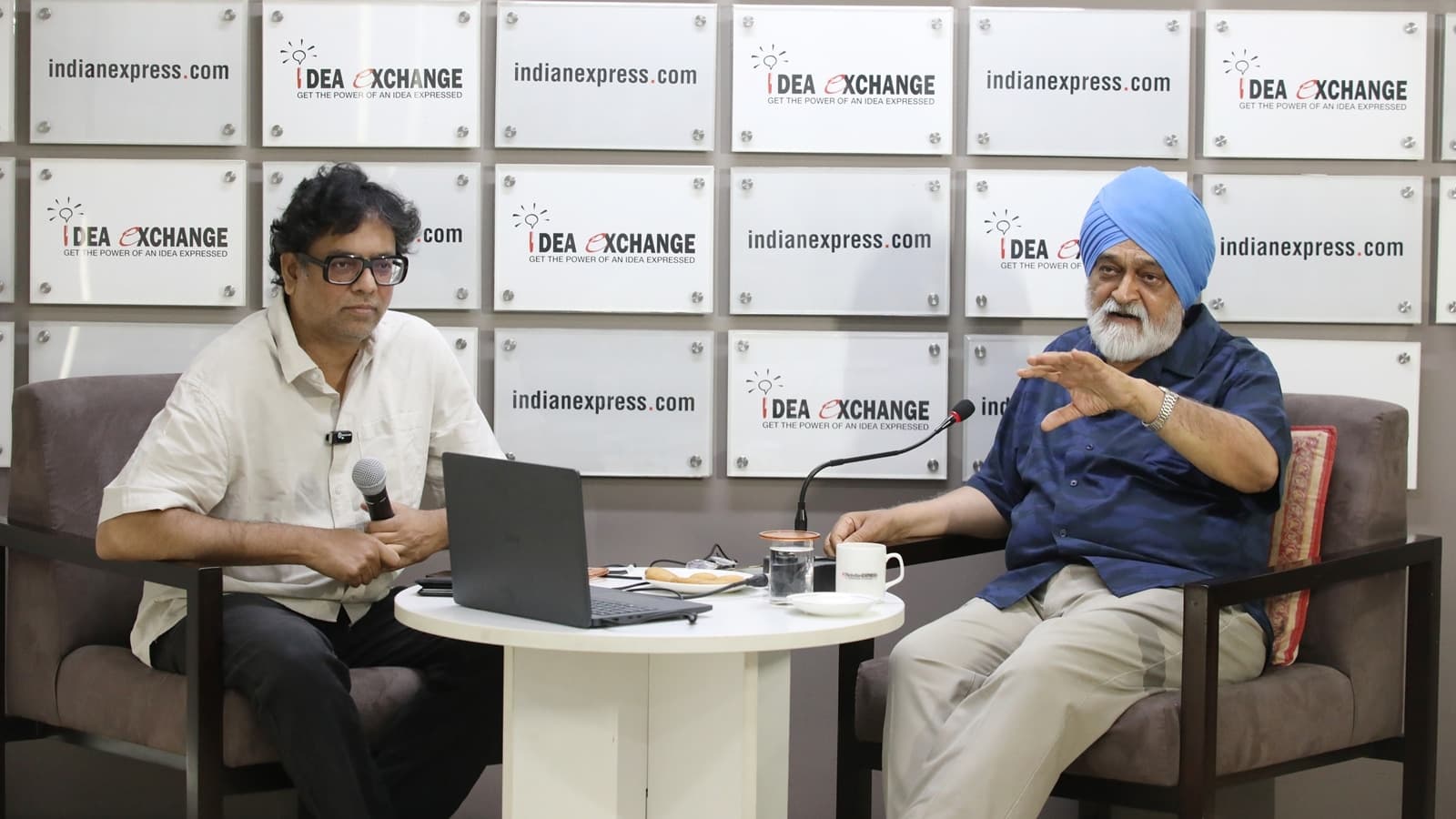
Montek Singh Ahluwalia highlights key economic challenges for India, emphasizing the need for a strategic approach to balance payments and investment.
Indian Express