
Image: Science Daily
Discover how Smart Underwear is revolutionizing flatulence tracking and redefining our understanding of gut health. What will researchers learn next?
GlipzoIn a groundbreaking development, researchers from the University of Maryland have created Smart Underwear, an innovative wearable device tailored specifically to monitor human flatulence. This pioneering technology features a small sensor designed to detect hydrogen in flatus, enabling scientists to reassess long-standing beliefs about how often individuals pass gas. Additionally, this device offers a novel method for observing gut microbial metabolism in real-life scenarios.
For years, healthcare professionals have grappled with the challenge of accurately diagnosing patients who report issues related to intestinal gas. Renowned gastroenterologist Michael Levitt, often referred to as the "King of Farts," pointed out this dilemma back in 2000, stating: "It is virtually impossible for the physician to objectively document the existence of excessive gas using currently available tests." The advent of Smart Underwear aims to change that.
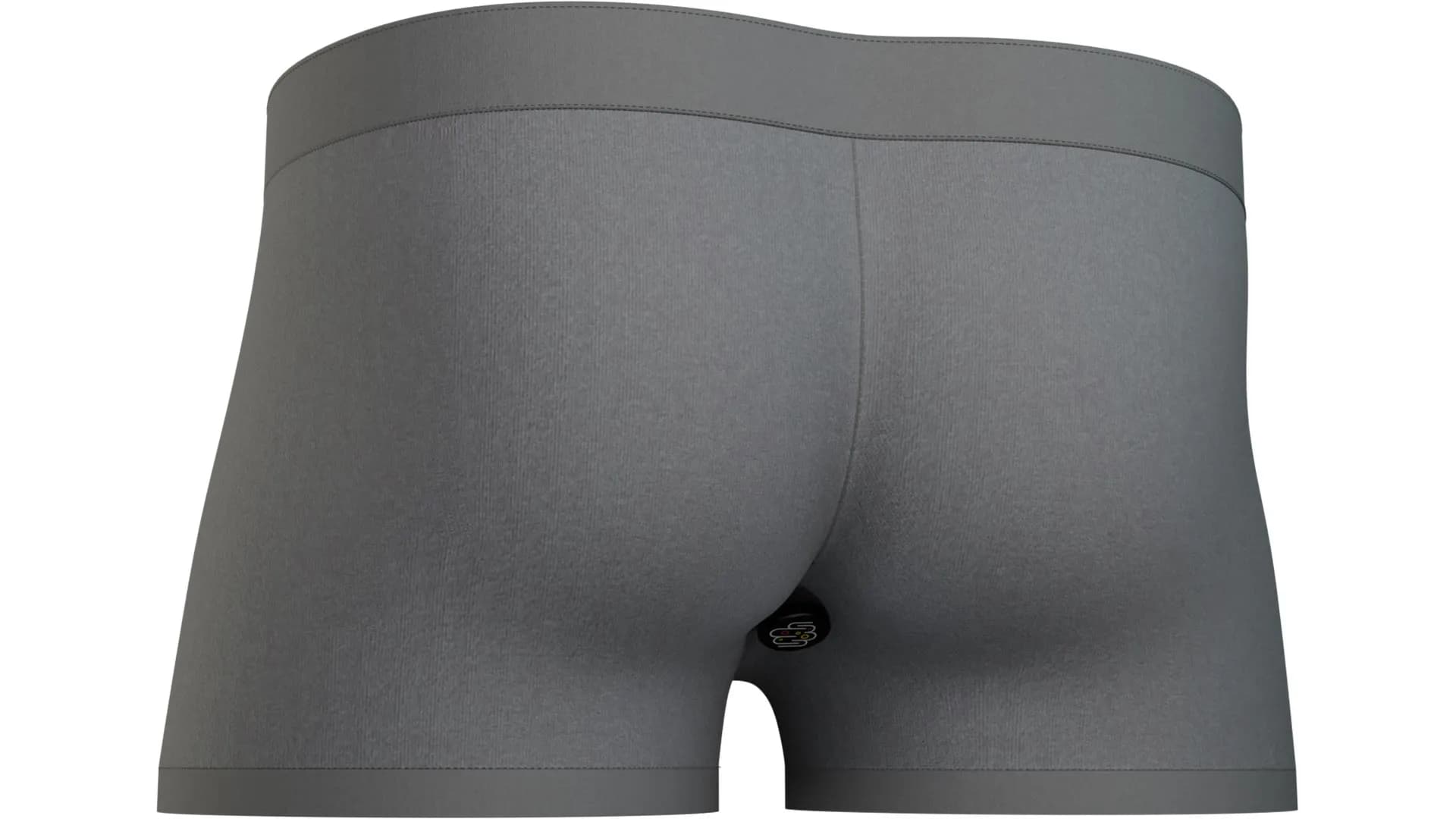
Developed by a team led by Brantley Hall, an assistant professor in the Department of Cell Biology and Molecular Genetics at UMD, Smart Underwear consists of a compact device that discreetly attaches to regular underwear. This innovative wearable incorporates electrochemical sensors that continuously monitor intestinal gas production around the clock.
In a recent study published in Biosensors and Bioelectronics: X, UMD assistant research scientist Santiago Botasini utilized the Smart Underwear to measure flatulence among healthy adult participants. The findings revealed that individuals produced flatus an average of 32 times per day, significantly exceeding the previously accepted average of 14 (±6) occurrences noted in earlier medical literature. Notably, results varied widely, with some participants reporting as few as four flatus events daily, while others experienced as many as 59.
Earlier estimates of flatulence frequency likely fell short due to the limitations of past studies, which either involved invasive measurement techniques conducted on small cohorts or relied heavily on self-reporting. These methods are prone to inaccuracies, as they can overlook gas events, rely on imperfect memory, and fail to capture gas production during sleep. Furthermore, individuals exhibit considerable variation in visceral sensitivity, meaning two people may produce similar quantities of gas but perceive it quite differently.
"Objective measurement gives us an opportunity to increase scientific rigor in an area that's been difficult to study," Hall emphasized, highlighting the significance of their findings.
Typically, flatus consists mainly of hydrogen, carbon dioxide, and nitrogen, with some individuals producing methane. Notably, hydrogen is exclusively produced by gut microbes, making it a direct indicator of microbial fermentation activity as bacteria break down food components.
Hall likened the function of the device to that of a continuous glucose monitor but tailored for intestinal gas. The sensors were able to detect increased hydrogen levels following the consumption of inulin, a prebiotic fiber, with an impressive 94.7% sensitivity.
While healthcare professionals have established normal ranges for numerous health metrics, such as blood glucose and cholesterol levels, a baseline for flatulence remains elusive.
"We don't actually know what normal flatus production looks like," Hall noted. "Without that baseline, it's hard to know when someone's gas production is truly excessive." This gap in knowledge paves the way for the Human Flatus Atlas, a large-scale initiative designed to systematically measure flatulence patterns across a diverse population.
The Human Flatus Atlas project aims to gather extensive data by utilizing Smart Underwear to continuously monitor flatus patterns in hundreds of participants, while simultaneously assessing their diets and gut microbiome compositions. Volunteers, who will receive the devices directly at home, will represent a broad demographic across the United States, focusing on adults over the age of 18. The primary objective is to establish what constitutes a normal range of flatus production among the general population.
To capture a comprehensive view of flatulence variability, researchers are actively recruiting participants from various categories identified during preliminary research. These categories include: - Zen Digesters: Individuals with a calm digestive system. - Frequent Passers: Those who pass gas more regularly than average. - Silent but Deadly Types: Participants who may not pass gas frequently but produce notably odorous flatus.
This research holds significant implications for both the medical field and individuals experiencing gastrointestinal issues. By establishing a clearer understanding of normal flatus production, healthcare providers can better diagnose conditions and offer more effective treatment options. Moreover, this innovative technology could shift societal perceptions surrounding flatulence, bringing awareness to gut health and the important role it plays in overall well-being.
As the Human Flatus Atlas project unfolds, it promises to shed light on a previously overlooked aspect of human health, providing valuable insights into gut health and overall digestive wellness. Researchers are eager to see how this data could influence our understanding of digestive disorders and contribute to personalized healthcare solutions.
In conclusion, the introduction of Smart Underwear marks a critical advancement in gastrointestinal research, paving the way for further exploration of gut health and its broader implications on human health. As the project progresses, it will be crucial to watch how these findings may redefine our understanding of flatulence and its role in our daily lives.

Shocking findings from Nottingham's maternity unit reveal a toxic culture and alarming neglect. What can be done to improve care? Discover the details.
BBC Health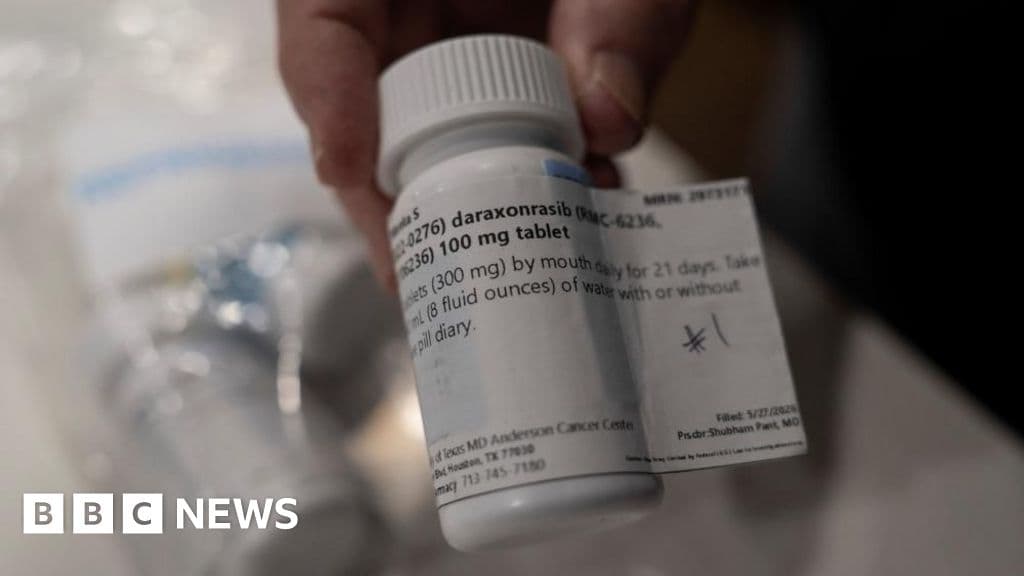
Discover how daraxonrasib, a new pill, is nearly doubling survival rates for pancreatic cancer patients, offering hope in a challenging battle against this deadly disease.
BBC Health
Waste companies propose a £5 deposit on vapes to encourage proper disposal and curb littering as the environmental impact of vapes increases.
BBC Business