

Image: Mint (Business)
In a dramatic escalation of tensions, the United States and Israel executed a targeted operation on Iran's Natanz uranium-enrichment facility this past Saturday. This attack, which occurred during a critical period of conflict, has raised eyebrows globally, particularly regarding its implications for nuclear safety and regional stability. Reports from Reuters indicate that following the strike, there have been no indications of radioactive leaks, as confirmed by Iran's Tasnim news agency.
The International Atomic Energy Agency (IAEA) responded swiftly to the incident, announcing via a post on X that they had received information from Iran about the attack on Natanz. They further confirmed that no increase in off-site radiation levels was detected, which was a relief to nearby residents and the international community. The IAEA's Director General, Rafael Mariano Grossi, emphasized the necessity for military restraint, warning of the potential risks associated with nuclear operations during conflicts.
The Natanz facility, located approximately 220 kilometers southeast of Tehran, is Iran's main site for uranium enrichment. This facility has been a focal point in the ongoing tensions between Iran and its adversaries, having previously been targeted in attacks during the Iran–Israel conflict back in June 2025. Satellite imagery taken post-strike indicates damage to several structures within the complex, heightening concerns about the facility's operational capacity.
The recent attack on Natanz aligns with increasing threats from Israeli officials. Following the assault, Israel's Defense Minister, Israel Katz, warned of a significant uptick in military operations against Iran, stating that the intensity of attacks would increase significantly in the coming week. This warning came shortly after an Iranian missile fragment struck an empty kindergarten near Tel Aviv, although no casualties were reported due to the building being unoccupied at the time.
This incident marks a further escalation in a conflict that has now entered its fourth week, following its onset in late February. The timing of the attack is critical, occurring just days after the third round of negotiations over Iran's nuclear program concluded between Washington and Tehran. The backdrop of these tensions is a series of military operations that have seen the U.S. bolster its presence in the Middle East, including the deployment of three additional amphibious assault ships and around 2,500 Marines to the region.
As the conflict intensifies, U.S. President Donald Trump expressed a desire to scale back military operations in the Middle East, indicating that the U.S. is
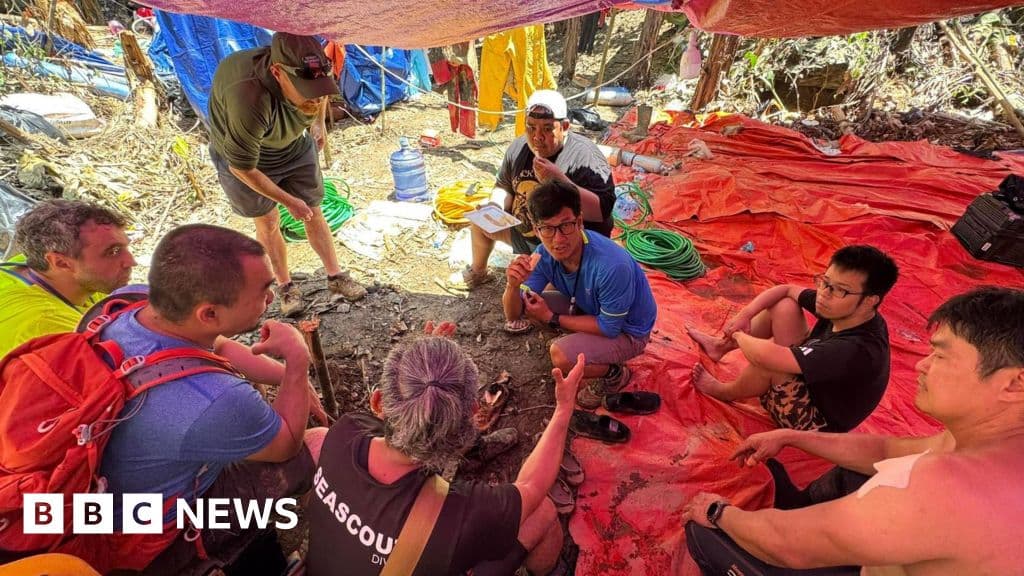
Survivors of the Laos cave rescue are aiding efforts to find the last two missing men trapped inside, sharing crucial insights for the search operation.
BBC World
A year after the tragic Air India crash, the Ali family reflects on grief, unanswered questions, and the enduring bonds of love in the face of loss.
BBC Business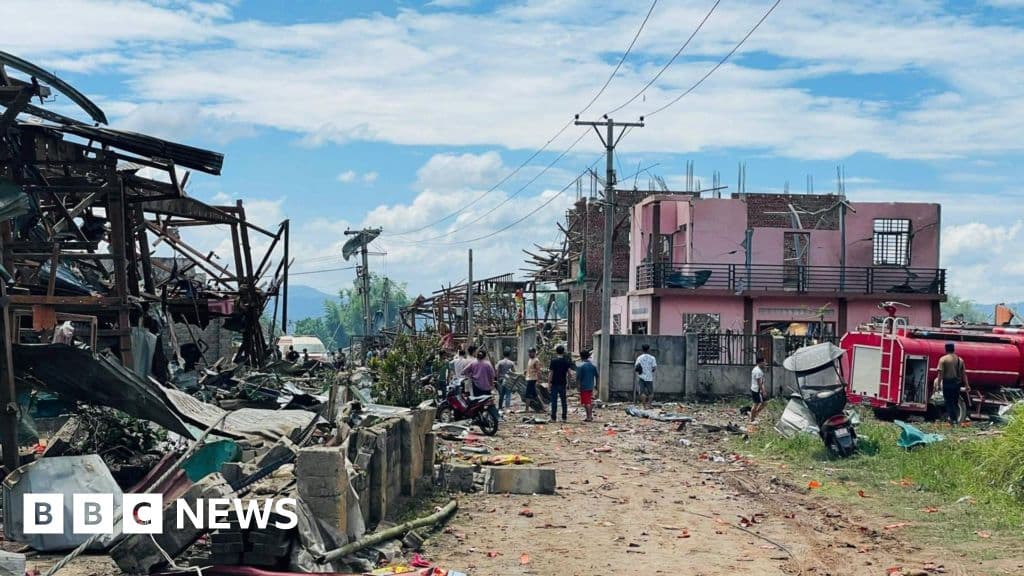
A devastating explosion in Myanmar's Kaung Tat village has killed at least 55 people, raising serious safety concerns and questions about civilian protection in conflict zones.
BBC World