
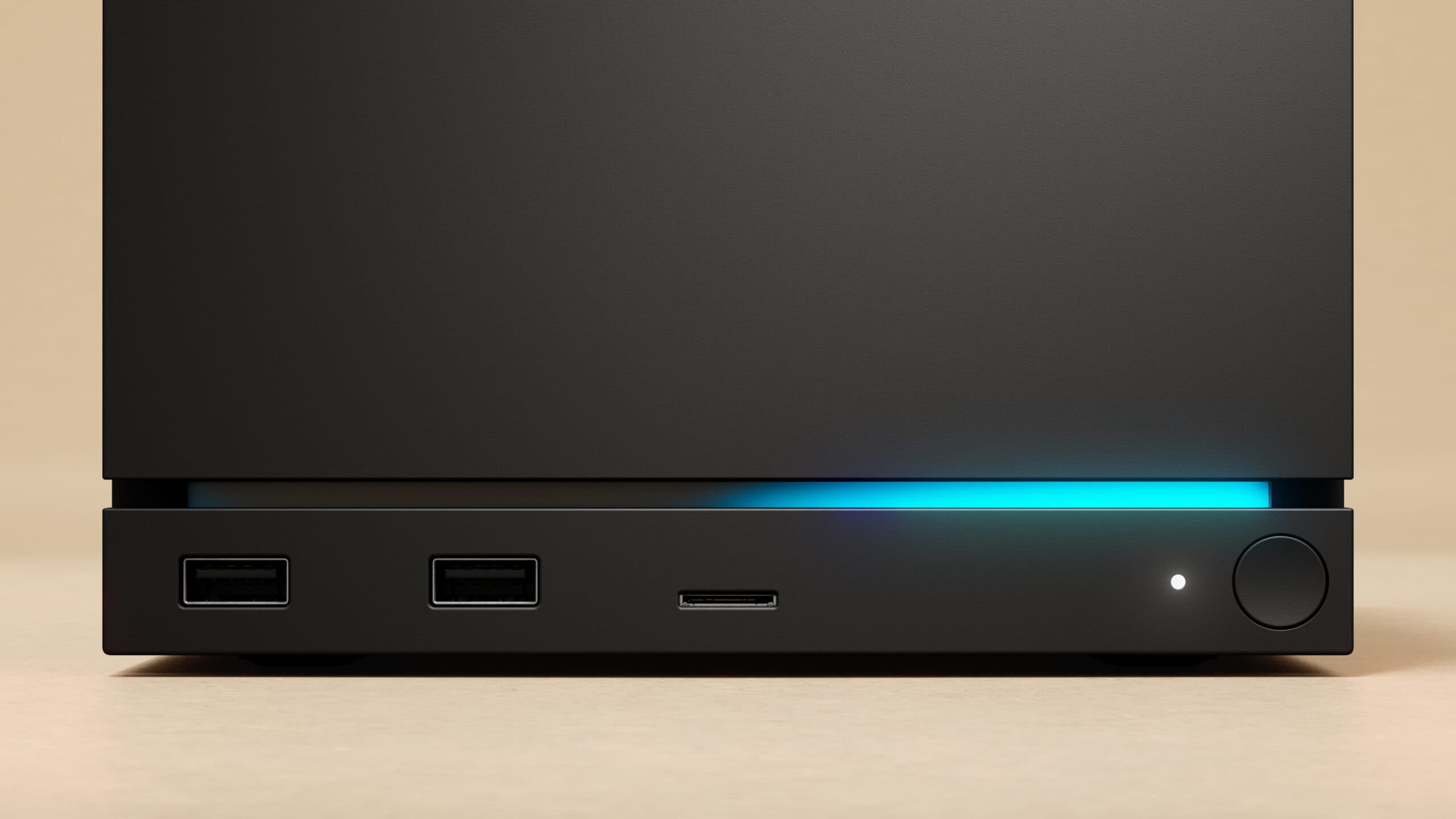
Image: Ars Technica
Valve's SteamOS 3.8 update boosts Steam Machine compatibility as hardware issues linger. Discover what's new and what's next for the gaming console.
GlipzoValve Corporation's Steam Machine has found itself in a precarious position, grappling with significant challenges in hardware availability and pricing. The global demand for memory and storage chips has surged, primarily driven by AI data centers that are consuming a vast majority of production. This leaves very little for niche markets like the Steam Machine and the Steam Frame VR headset. Even the well-received Steam Deck, which has been available for some time, is currently facing stock shortages due to ongoing component supply issues.
Despite these hardware difficulties, Valve continues to focus on enhancing its software ecosystem. This week, the company announced a significant update with the release of SteamOS 3.8.0 preview. This update is designed not only for the Steam Deck but also extends support to various third-party gaming handhelds and an array of PC hardware. Notably, it introduces initial support for upcoming Steam Machine hardware, a crucial step for enthusiasts eagerly awaiting the console's release.
The latest update brings a wealth of advancements, largely derived from improvements in upstream Linux components. Here are some of the key enhancements included in SteamOS 3.8: - Transition to a new Arch Linux base - Latest graphics driver updates - Upgraded to Linux kernel version 6.16 - New version of KDE Plasma desktop environment for Desktop Mode, now utilizing Wayland instead of the older X11
These updates lead to enhanced compatibility with recent Intel and AMD platforms. Additionally, they significantly improve the operating system's interaction with various third-party controller accessories, offering better integration with newer AMD processors including the Ryzen Z2 Extreme. Third-party gaming handhelds like the Asus ROG Xbox Ally, Lenovo Legion Go, and MSI Claw are also expected to benefit from these improvements.
One of the standout features of this update is its focus on video memory management for discrete GPU platforms. Previous testing of SteamOS revealed that graphics cards equipped with 8GB of RAM exhibited performance issues when compared to their usage in Windows. This aspect is particularly concerning for Valve, considering the Steam Machine is set to ship with a Radeon RX 7600 GPU, which also has 8GB of video memory.
In contrast, GPUs with 16GB of RAM and integrated graphics that can dynamically allocate system memory performed significantly better. With the new SteamOS update, it will be crucial to conduct further testing to assess improvements in performance and overall user experience.
Apart from enhancing video memory management, the SteamOS 3.8 update includes several other valuable changes aimed at improving user experience: - Improved HDMI audio support - Resolved performance issues in Desktop Mode - Enhanced support for HDR and variable refresh-rate displays - Improved default scaling behavior on TV screens - Better support for rotated screens - Ability to set unique scaling modes for different monitors in multi-monitor setups
These changes indicate Valve's ambition for the Steam Machine to serve as more than just a gaming console. The company envisions it as a versatile device that can also function as a traditional desktop PC.
For those already using SteamOS 3.7, accessing the new SteamOS 3.8 preview is straightforward. Users can navigate to Settings, then System, and switch the System Update Channel to Preview to begin the update process.
Valve has expressed optimism about launching the Steam Machine within the first half of the year; however, specific details regarding pricing and availability are still under wraps. As the company navigates these uncertain waters, the focus remains on refining the software to ensure a robust user experience upon release.
With the substantial updates introduced in SteamOS 3.8, Valve is gearing up for what could be a transformative moment for the Steam Machine. Enthusiasts and gamers alike are encouraged to stay tuned for further announcements, as the landscape of gaming continues to evolve rapidly, influenced by hardware capabilities and software advancements. The future holds promise, and the Steam Machine could finally see the light of day in an increasingly competitive market.

Nvidia's new RTX Spark chip aims to transform personal computing with AI, marking a significant shift in technology. Discover what this means for consumers.
BBC Business
The explosion of Blue Origin's New Glenn rocket raises significant concerns over NASA's lunar ambitions and the future of Amazon's satellite projects. Discover the implications.
BBC Science
Discover how Meta's lack of engagement on user bans raises critical concerns about accountability and transparency in social media governance.
BBC Technology