
Image: BBC World
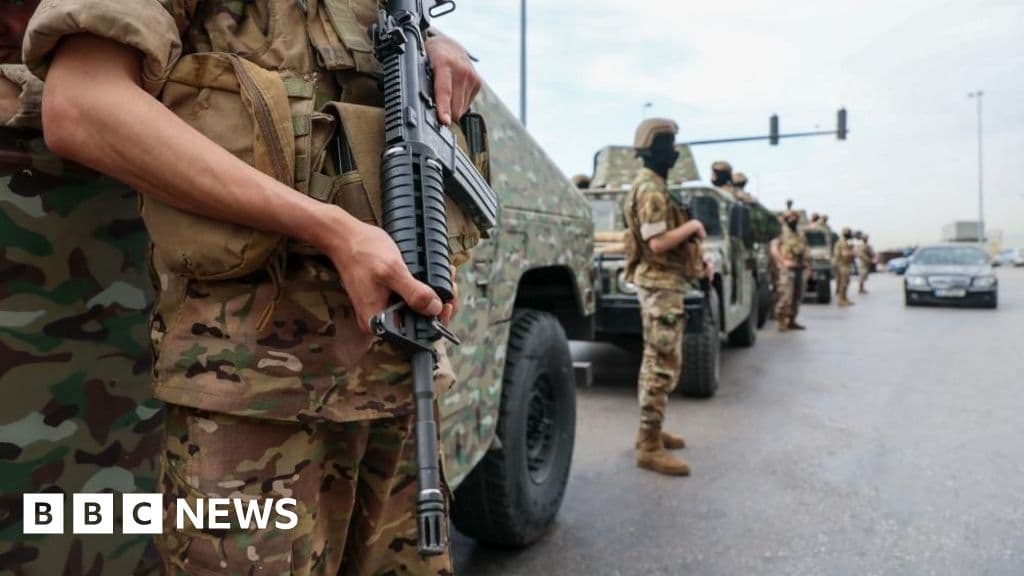
A shocking Israeli airstrike kills six in Lebanon, including paramedics, as the U.S. announces a ceasefire extension. What’s next for this volatile region?
GlipzoA tragic airstrike by Israel has resulted in the deaths of six individuals in southern Lebanon, highlighting the ongoing violence in a region already fraught with tension. Among the victims are three paramedics, according to reports from Lebanon's health ministry. This incident occurred in the town of Harouf, where a civil defense center was struck, leaving a fourth paramedic in critical condition. The escalating violence raises urgent concerns about the humanitarian situation in Lebanon.
The attack comes amidst a tense backdrop of negotiations facilitated by the United States, which recently announced a 45-day ceasefire between Israel and Lebanon. This agreement follows two days of discussions in Washington D.C., aimed at curbing hostilities between the two nations. U.S. President Donald Trump initially brokered a truce on April 16, but the fragile peace has been marred by ongoing exchanges of fire between Israel and Hezbollah.
On Friday, the U.S. State Department confirmed that Israel and Lebanon had agreed to extend their fragile ceasefire, emphasizing the importance of these discussions in fostering lasting peace. Tommy Pigott, a State Department spokesman, expressed hope that the ongoing negotiations would lead to mutual recognition of sovereignty and enhanced security along the border.
The U.S. is set to reconvene the political track of negotiations in June, while a separate security track will kick off at the Pentagon on May 29, involving military delegations from both nations. Israel's Ambassador to the U.S., Yechiel Leiter, characterized the talks as “frank and constructive.” Meanwhile, Lebanon's Prime Minister Nawaf Salam is seeking to rally regional and international support to strengthen Lebanon's position in these pivotal negotiations.
Despite the diplomatic efforts, reports of violent exchanges continue to surface nearly every day. Lebanon's health ministry reported that Israeli airstrikes have already claimed 22 lives, including eight children, just days prior to the latest strike. The Israeli military maintains that it is targeting Hezbollah fighters and infrastructure, yet Lebanon has accused Israel of deliberately harming civilians and first responders, allegations that Israel has denied.
The humanitarian crisis is deepening, with over one million people displaced across Lebanon due to the conflict. This accounts for roughly one in five individuals in the country, predominantly from southern regions and areas where Hezbollah has significant influence. The ongoing bombardment has devastated entire villages, reminiscent of tactics previously seen in Gaza, raising concerns from human rights organizations about potential war crimes.
The current conflict can be traced back to March 2, shortly after a U.S.-Israeli joint operation against Iran. In retaliation, Hezbollah launched rockets into Israel, prompting a robust response from Israel that included widespread airstrikes and a ground invasion of southern Lebanon. Since the onset of the conflict, the Lebanese health ministry reports that at least 2,896 people have been killed in Lebanon. In contrast, Israeli authorities have recorded 18 soldiers and four civilians killed during the same timeframe.
The situation in Lebanon is critical, not only for those directly affected but also for the broader geopolitical landscape in the region. The U.S. aims to stabilize the area through diplomatic negotiations, but the recurring violence complicates these efforts. The humanitarian implications are dire, with a significant portion of Lebanon’s population facing displacement and suffering from the impact of ongoing military actions.
As the ceasefire is extended, the eyes of the international community will be focused on how both nations navigate these negotiations. Future talks will determine whether there is a path toward lasting peace or if tensions will continue to escalate. In light of the recent violence, it is crucial to monitor developments closely, including any shifts in military strategy from either side.
Moreover, how the U.S. and allied nations respond to the humanitarian crisis will play a significant role in shaping the future of Lebanon and its people. Increased diplomatic efforts and humanitarian assistance will be essential to mitigate the suffering of those caught in the crossfire, ensuring that the ongoing dialogue leads to tangible improvements in the lives of civilians affected by this enduring conflict.
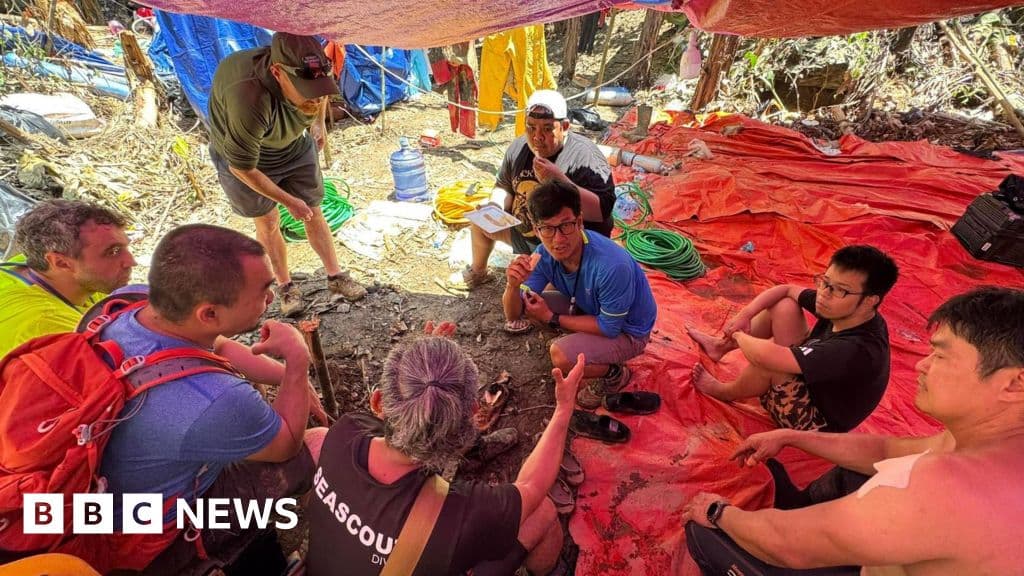
Survivors of the Laos cave rescue are aiding efforts to find the last two missing men trapped inside, sharing crucial insights for the search operation.
BBC World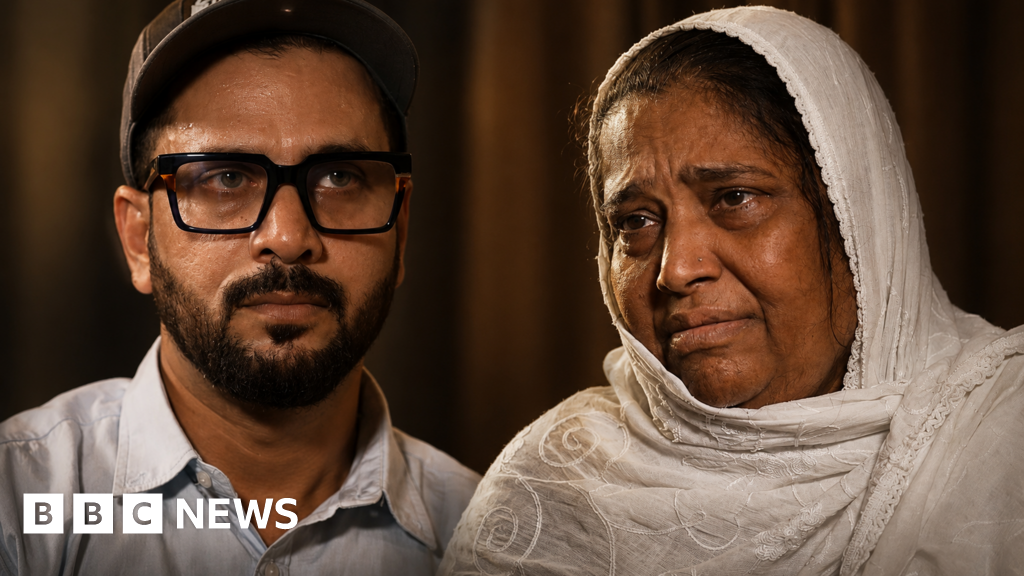
A year after the tragic Air India crash, the Ali family reflects on grief, unanswered questions, and the enduring bonds of love in the face of loss.
BBC Business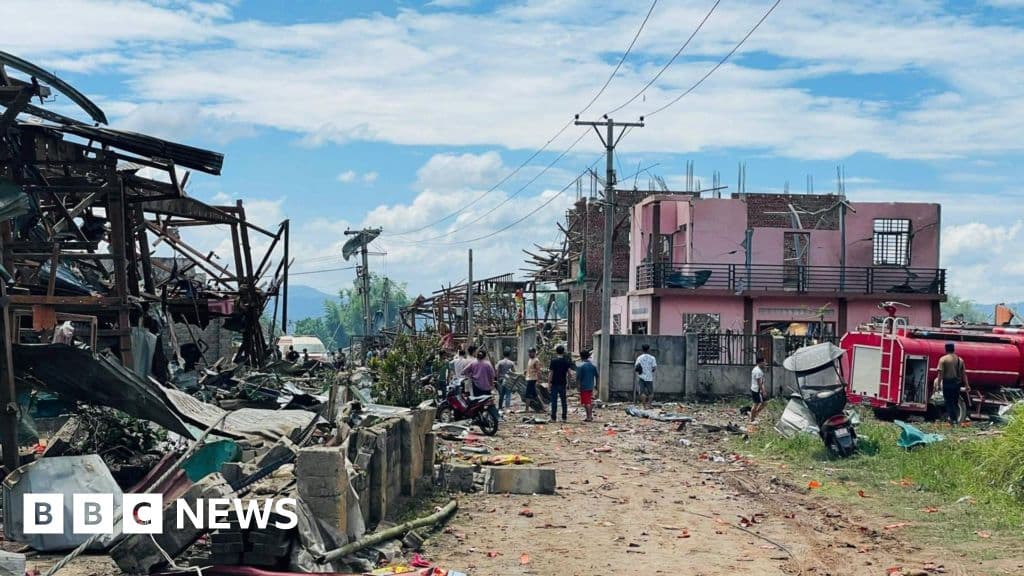
A devastating explosion in Myanmar's Kaung Tat village has killed at least 55 people, raising serious safety concerns and questions about civilian protection in conflict zones.
BBC World