

Image: Indian Express
Indian markets face turmoil as Sensex and Nifty slide while the rupee hits a record low. Explore the implications for investors amid rising oil prices.
GlipzoOn Tuesday, Indian equity markets faced a significant downturn, continuing their downward trajectory with widespread selling across key sectors, including IT, banking, and financial stocks. The Sensex dropped 455.29 points, or 0.60%, settling at 75,559.99. Meanwhile, the Nifty index fell 116.55 points, or 0.49%, landing at 23,699.30. The negative opening was foreshadowed by the GIFT Nifty, which had already shown a lower trading figure of 23,722, highlighting the prevailing lack of investor confidence heading into the trading session.
Adding to the market's woes, the Indian rupee slid to a historic low of 95.63 against the US dollar, surpassing its previous all-time low. This decline is largely attributed to escalating tensions in the Middle East, leading to renewed concerns about global economic stability. As the oil prices surged, the impact on India's import-reliant economy became increasingly apparent, raising alarms among investors.
The continued depreciation of the rupee is a critical concern for the economy, especially as it coincides with rising crude oil prices. Brent crude has climbed approximately 46% since the onset of conflict in the region, marking another 1% increase to $105.22 in today’s trading. This spike in oil prices not only exacerbates inflationary pressures but also hinders India's growth trajectory, which heavily depends on stable energy costs.
The IT sector was notably impacted, with the Nifty IT index dropping over 2%. Broader market trends also reflected bearish sentiment, as both midcap and smallcap indices faced downward pressure. Analysts are closely monitoring the Bank Nifty, with crucial support levels around 54,000, indicating potential vulnerabilities if the current trends persist.
Factors contributing to this downturn include sustained outflows from foreign institutional investors and a global environment of rising crude prices. These elements have prompted a cautious trading atmosphere, pushing investors to reassess their strategies amid heightened volatility.
Prime Minister Narendra Modi recently addressed these challenges by urging citizens to conserve fuel and reduce imports. His call for adopting work-from-home practices aims to mitigate the impact of soaring fuel costs on the economy. However, market participants believe that such statements, made in an already fragile environment, could further dampen investor sentiment.
As the situation unfolds, the government’s response will be critical in navigating these turbulent waters. The need for strategic interventions to stabilize both the currency and the stock markets is more important than ever.
The ongoing volatility in both the currency and equity markets underscores the importance of vigilance for investors. The current scenario calls for a reevaluation of investment strategies, particularly in sectors heavily affected by global energy prices. Here are some key takeaways for investors:
As the Indian markets grapple with these challenges, the next few weeks will be pivotal in determining the trajectory of both the Sensex and Nifty. Investors should remain alert to changes in global oil prices, currency fluctuations, and any government measures intended to stabilize the economy.
With geopolitical tensions showing no signs of abating, the focus will remain on how these factors will shape the Indian economic landscape moving forward. Continuous monitoring of market indicators and strategic adjustments will be essential for navigating this period of uncertainty effectively.
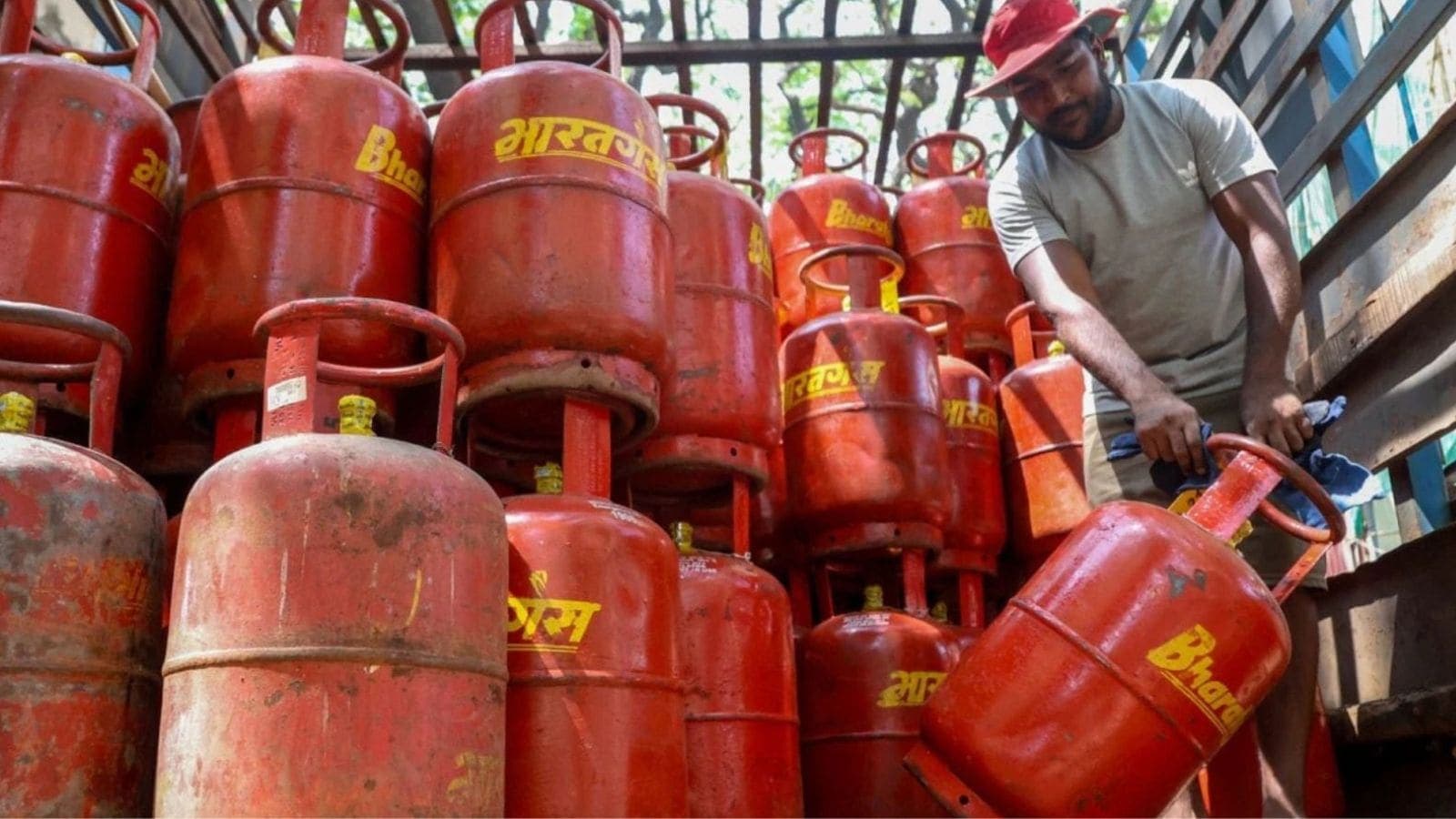
Commercial LPG prices have risen again, with increases of ₹42 in Delhi and ₹53.50 in Kolkata impacting businesses and consumers alike. Find out more.
Indian Express
Discover how a tragic coal mine explosion in Shanxi, China, reveals ongoing safety concerns in the industry amidst a push for green energy.
BBC Business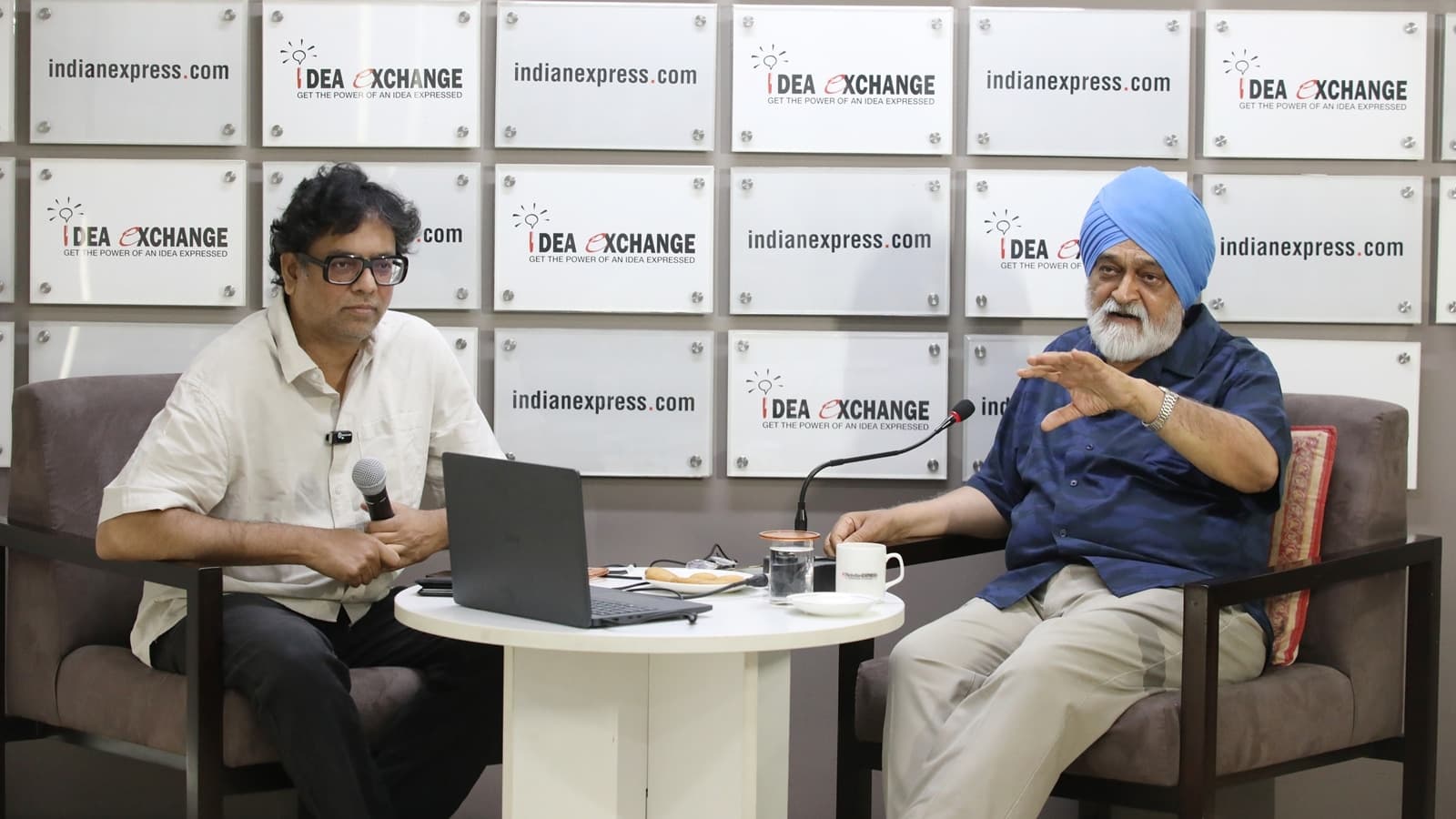
Montek Singh Ahluwalia highlights key economic challenges for India, emphasizing the need for a strategic approach to balance payments and investment.
Indian Express