
Image: Indian Express
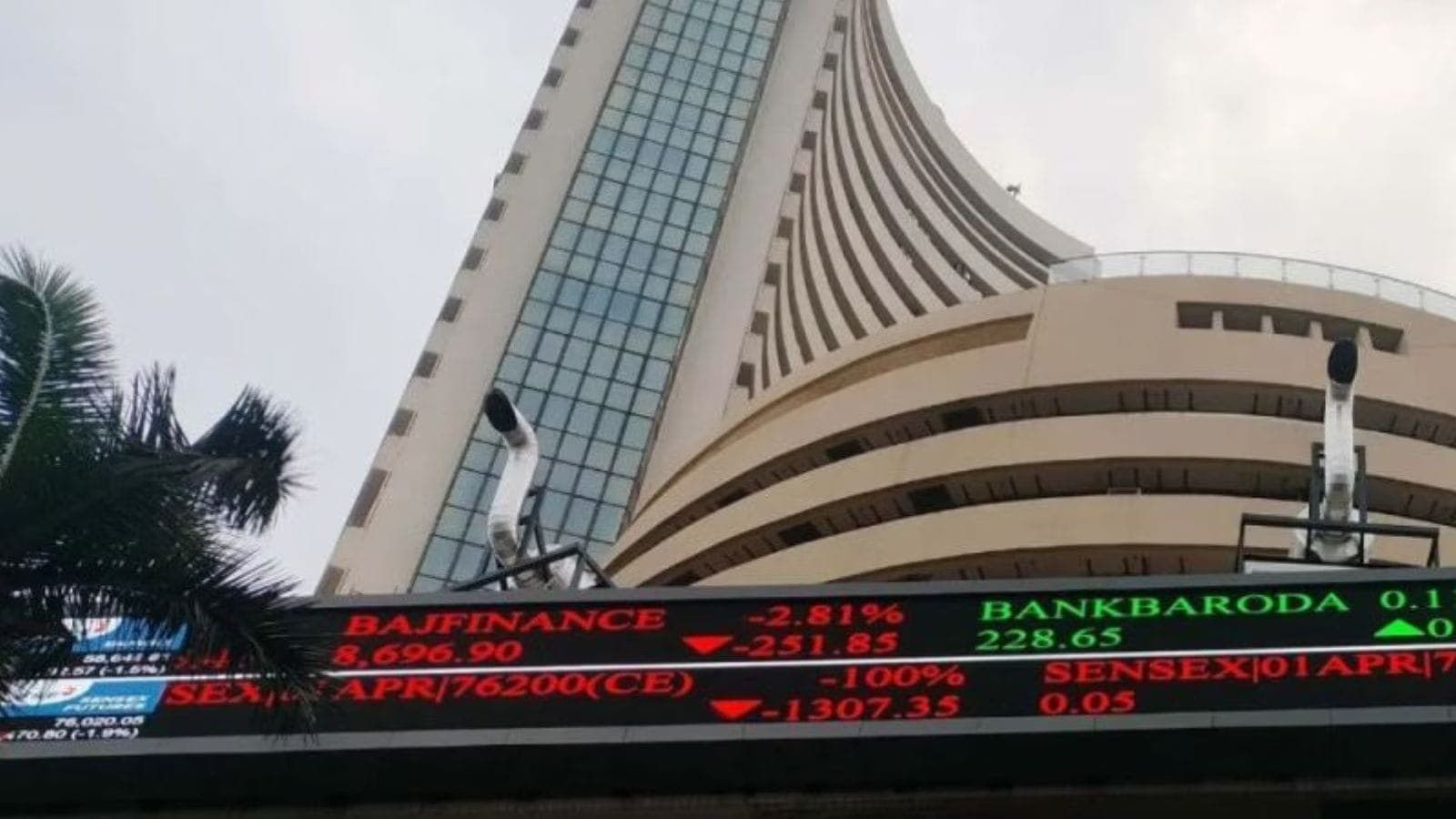
The Indian rupee has hit a record low of 96.20 against the dollar, dragging the Sensex down over 800 points amid rising oil prices and global uncertainties.
GlipzoIndia's financial markets faced a significant downturn on Monday, October 2, 2023, as the rupee reached an alarming record low of 96.20 against the US dollar. This decline comes amid escalating crude oil prices and surging global bond yields, exacerbated by the ongoing conflict in Iran. The situation has ignited widespread concern among investors, prompting a sharp sell-off in equities.
The Sensex, a key indicator of market performance, tumbled by more than 800 points during early trading, reflecting a growing sense of unease. The Nifty index also followed suit, dropping below the 23,400 mark. As inflationary pressures mount and import costs soar, investors are increasingly anxious about the potential long-term impacts on the economy. Foreign fund outflows have only added to the mounting pressure on both the rupee and the stock market.
The Indian rupee has quickly become Asia’s worst-performing currency of 2026, having depreciated by 5.5% since the outbreak of hostilities in Iran on February 28. This marks the currency's fifth consecutive session at a record low, raising alarm bells for policymakers and investors alike. Analysts point to several key factors contributing to this troubling trend:
The rapid decline of the rupee has sent shockwaves through the stock market, causing widespread panic among investors. As market analysts assess the situation, they highlight that the Nifty index faces key resistance in the 23,900-24,000 range, while immediate support is identified around 23,500-23,400. These thresholds will be crucial in determining whether the market can stabilize or if further declines are imminent.
Analysts predict that elevated oil prices combined with a lackluster global investment atmosphere could continue to exert downward pressure on both the currency and equity markets. Investors are keenly watching geopolitical developments, particularly the situation in Iran, as any escalation could further destabilize markets.
The implications of this market downturn extend beyond immediate losses. A weakening rupee can lead to increased inflation, as the cost of imports rises. This could affect everyday consumers, driving up prices for essential goods and services. Furthermore, if the rupee continues to slide, it may prompt the Reserve Bank of India to intervene, potentially leading to interest rate adjustments that could affect borrowing costs and overall economic growth.
The stock market's volatility can also impact investor confidence, leading to reduced spending and investment. As businesses grapple with increased costs and uncertainty, the overall economic outlook could dim, potentially pushing India into a more profound economic crisis.
As we look ahead, several factors will be critical in determining the trajectory of the rupee and the stock market:
In conclusion, the current financial climate presents a complex challenge for India's economy. As the nation watches these developments unfold, stakeholders across sectors must remain vigilant and adaptable to navigate the uncertainties ahead.
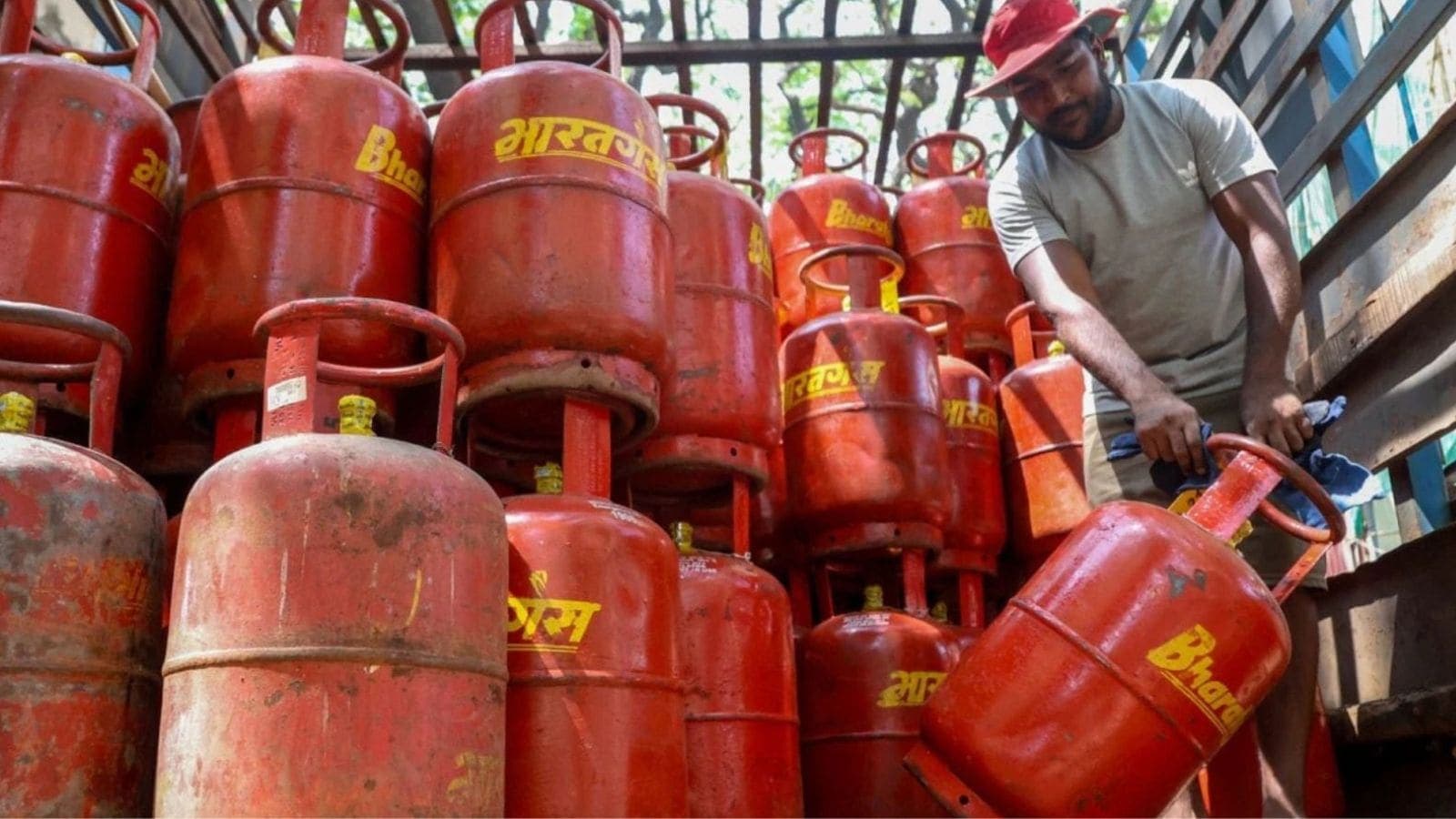
Commercial LPG prices have risen again, with increases of ₹42 in Delhi and ₹53.50 in Kolkata impacting businesses and consumers alike. Find out more.
Indian Express
Discover how a tragic coal mine explosion in Shanxi, China, reveals ongoing safety concerns in the industry amidst a push for green energy.
BBC Business
Montek Singh Ahluwalia highlights key economic challenges for India, emphasizing the need for a strategic approach to balance payments and investment.
Indian Express