

Image: The Hindu
The Indian rupee has hit a record low of ₹93.71 due to rising oil prices and foreign fund outflows. What does this mean for the economy? Find out more.
GlipzoIn a significant financial development, the Indian rupee has depreciated by 82 paise, plunging to an unprecedented ₹93.71 against the US dollar. This sharp decline, observed on March 20, 2026, stems from escalating geopolitical tensions, soaring oil prices, and ongoing foreign fund outflows. The current economic climate has put immense pressure on the Indian currency, raising concerns among investors and policymakers alike.
The increase in crude oil prices, now exceeding $108 per barrel, has severely impacted essential commodities, further pushing the rupee downward. In addition, a notable trend has emerged in the Indian stock markets, where foreign investors have offloaded shares worth ₹10,965.7 crore in equities on a single day. Over the first 20 days of March, the total outflow reached a staggering ₹88,180 crore, marking the largest withdrawal since September 2024, when ₹94,000 crore was sold off in a month. The exit of Foreign Institutional Investors (FIIs) from the Indian market exacerbates the pressure on the rupee, leading to increased dollar demand.
The Indian government had originally budgeted oil prices at $75 per barrel, and experts warn that every $10 increase in oil prices could inflate the current account deficit (CAD) by $1 billion. Anil Bhansali, Head of Treasury and Executive Director at Finrex Treasury Advisors LLP, emphasized that the rising oil prices are likely to lead to further depreciation of the rupee. The CAD reflects the disparity between a country's imports and exports, and with the current trajectory of crude prices, analysts predict challenging times ahead for the Indian economy.
As crude oil prices continue to trend upward, expectations for the rupee-dollar pair remain bleak. Anindya Banerjee, Head of Commodity and Currency Research at Kotak Securities, noted that while some dollar selling from exporters might occur toward the end of the year, it is insufficient to counterbalance the immediate pressures from rising oil prices and strong dollar demand. With Brent crude potentially moving towards $120, the rupee is anticipated to stay under significant pressure.
Analysts are keeping a close eye on the rupee's performance, forecasting it to fluctuate between ₹93 and ₹94.25. A breach above this range could result in the currency hitting ₹95 per dollar. The Reserve Bank of India (RBI) is likely to intervene in both the spot and forward markets to manage volatility, but experts caution that such measures may only serve to smooth fluctuations rather than reverse the overall downward trend.
The ongoing geopolitical tensions, particularly those affecting global oil supply and prices, are a critical factor influencing the rupee's value. Investors are advised to remain vigilant as these dynamics evolve, impacting not only currency markets but also the broader Indian economy.
The depreciation of the rupee carries significant implications for the Indian economy. A weaker currency can lead to increased costs for imported goods, contributing to inflationary pressures and impacting the purchasing power of everyday consumers. As oil prices rise, so too will the prices of essential goods, further straining household budgets.
Moreover, the outflow of foreign investment raises concerns about the stability of the Indian stock market and its attractiveness to global investors. Sustained foreign fund outflows could lead to a vicious cycle, where a declining rupee makes India less appealing for investment, resulting in a further drop in the currency's value.
As the situation unfolds, several key factors will determine the future trajectory of the rupee: - Crude Oil Prices: Continued increases in oil prices will likely exert further pressure on the rupee. - Geopolitical Developments: Any escalation in geopolitical tensions could exacerbate market volatility. - Foreign Investment Trends: The behavior of FIIs and their confidence in the Indian market will be crucial in stabilizing the currency. - RBI's Intervention Strategies: The effectiveness of the Reserve Bank's strategies to manage currency volatility will be under scrutiny.
In conclusion, the Indian rupee's recent decline serves as a stark reminder of the interconnectedness of global markets and the effects of external factors on national economies. Investors and consumers alike must prepare for potential challenges as these trends continue to evolve in the coming months.
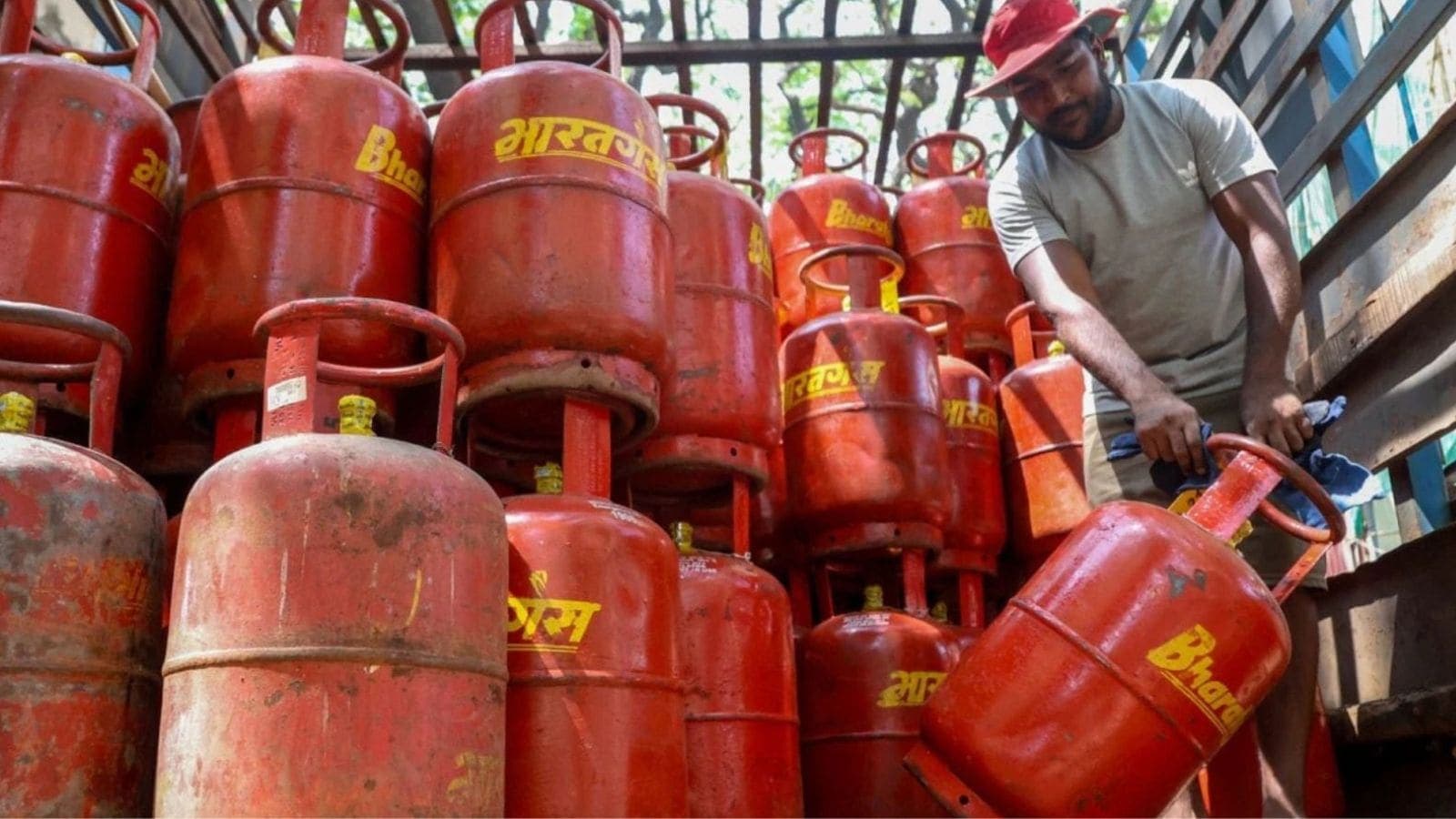
Commercial LPG prices have risen again, with increases of ₹42 in Delhi and ₹53.50 in Kolkata impacting businesses and consumers alike. Find out more.
Indian Express
Discover how a tragic coal mine explosion in Shanxi, China, reveals ongoing safety concerns in the industry amidst a push for green energy.
BBC Business
Montek Singh Ahluwalia highlights key economic challenges for India, emphasizing the need for a strategic approach to balance payments and investment.
Indian Express