
Image: BBC World
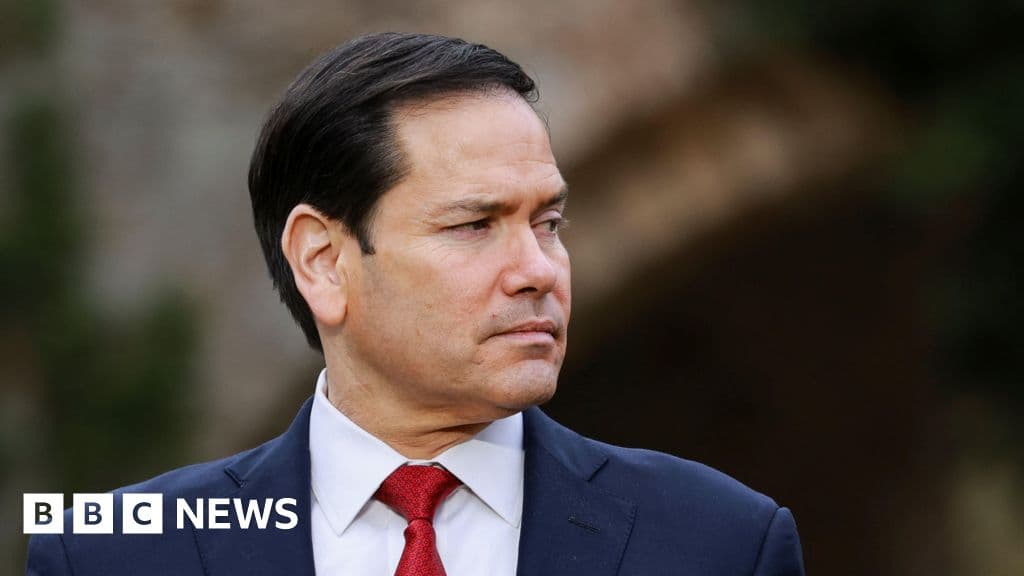
U.S. Secretary of State Marco Rubio predicts military operations in Iran may conclude soon, amidst escalating tensions and diplomatic talks. What’s next?
GlipzoIn a recent press conference following a meeting in France with foreign ministers from the G7, U.S. Secretary of State Marco Rubio announced that the United States anticipates concluding its military operations in Iran within the next few weeks. The declaration comes as tensions escalate in the region, particularly following the initiation of hostilities that began on February 28. Rubio underscored that the objectives of the military actions are being met and are on track to be achieved ahead of schedule.
Rubio discussed ongoing diplomatic efforts, noting that messages have been exchanged regarding potential peace talks, although Tehran has denied any interest in negotiations. The uncertainty surrounding who would represent Iran in these discussions leaves the situation precarious.
Since the onset of the conflict, several high-ranking Iranian officials have been eliminated, intensifying the already fraught atmosphere. In response to the evolving situation, the U.S. is deploying additional troops to the region to provide President Donald Trump with more options as the military campaign unfolds. Rubio reiterated the administration's stance that operations in Iran would not extend beyond a few weeks, aligning with previous estimates made by Trump and his senior advisors.
As the fourth week of the conflict approaches, Rubio's comments suggest that the U.S. remains committed to its projected timeline. He emphasized that the situation is a matter of “weeks, not months,” indicating an urgent pace to the operations.
Reports indicate that President Trump has conveyed a 15-point plan aimed at facilitating peace in Iran through intermediaries in Pakistan. However, when pressed about whether Iran would respond soon, Rubio indicated that no formal reply had been received yet. “We have received indications from the Iranian leadership about a willingness to discuss certain topics,” he stated, but further clarification is needed regarding the identity of negotiators and the specifics of the discussions.
Steve Witkoff, Trump’s special envoy, expressed optimism about potential meetings occurring soon, reiterating that the proposed deal could resolve the ongoing conflict.
In a related development on Friday, Iranian Foreign Minister Abbas Araghchi accused Israel of conducting attacks against Iranian nuclear sites and major steel plants. The tensions prompted threats of retaliation from Iran's Islamic Revolutionary Guards Corps (IRGC), which vowed to target U.S. or Israeli industrial infrastructure in response to these assaults. The ongoing conflict raises critical concerns about regional stability and security.
The G7 foreign ministers released a statement following their discussions, highlighting the importance of ensuring safe navigation through the Strait of Hormuz, a key waterway for global oil transit. Rubio noted that Iran's actions might involve imposing fees on vessels passing through the strait, a situation exacerbated by the ongoing hostilities.
The Strait of Hormuz is a crucial chokepoint for the world's energy supplies, with approximately 20% of global oil and LNG passing through it. The ongoing conflict has already led to skyrocketing oil prices and heightened fears of an economic downturn for many nations dependent on this vital waterway. The potential for a prolonged closure poses serious risks not just to the U.S. but to its allies as well, most of whom are experiencing the brunt of rising energy costs.
Despite calls from Trump for NATO allies to contribute naval support for escorting vessels, the G7 countries, with the exception of Japan, have preferred to pursue diplomatic resolutions over military interventions. Rubio mentioned that the United Kingdom is spearheading the formation of a coalition aimed at maintaining freedom of navigation in the strait, which will be necessary post-conflict.
As the U.S. moves closer to the anticipated conclusion of military operations in Iran, the next few weeks will be crucial in determining both the immediate and long-term effects of this conflict. The outcomes of potential diplomatic negotiations and the responses from Iran will shape the trajectory of U.S.-Iran relations.
The world will be watching closely to see how these developments unfold and what actions both the U.S. and Iran will take next. As the situation evolves, it will be essential for decision-makers to navigate the complexities of diplomacy and military strategy to avoid further escalation and ensure regional stability.

Tensions soar as the US and Iran engage in air strikes near the Strait of Hormuz, raising concerns over global oil supply and regional stability.
BBC World
Trump's international interventions face serious stalemates. What will this mean for U.S. foreign policy? Explore the critical challenges ahead.
Indian Express
Tehran denies resignation of President Masoud Pezeshkian amid claims of IRGC influence. What does this mean for Iran's political stability? Click to learn more!
Indian Express