

Image: Times of India
Qatar faces a major LNG crisis as 17% of its capacity is lost, potentially costing $20 billion and impacting global energy supply. What's next?
GlipzoIn a shocking turn of events, Qatar has suffered a significant blow to its liquefied natural gas (LNG) capabilities, with 17% of its total LNG production capacity now offline. This incident, occurring at the Ras Laffan Industrial City on October 15, 2023, has not only raised eyebrows but also prompted concerns regarding the global energy supply chain. The estimated financial impact could reach a staggering $20 billion, affecting not just Qatar but several countries that rely heavily on its gas exports.
The Ras Laffan facility, a cornerstone of Qatar's energy infrastructure, has been a leading player in the global LNG market. Qatar is the world's largest LNG exporter, supplying around 30% of the global LNG demand. This sudden reduction in capacity raises questions about energy security for numerous nations, especially those in Europe and Asia that have turned to Qatari LNG amidst ongoing geopolitical tensions.
Countries like Japan, South Korea, and several European nations could face immediate energy shortages as they depend on Qatari LNG to meet their demands. The loss of 17% capacity is particularly concerning as these countries are already grappling with high energy prices and supply chain disruptions.
With winter approaching, the timing of this disruption could exacerbate energy crises in these nations, where demand typically surges during colder months. Nations may need to scramble for alternative sources, potentially driving up global LNG prices further.
The implications of this event extend beyond immediate supply shortages. As countries endeavor to secure alternative energy sources, the entire landscape of global energy markets may shift. International energy prices could see significant volatility as the demand for LNG spikes, leading to an increase in market competition for available resources.
Additionally, this crisis may accelerate the push for renewable energy sources, as countries look to diversify their energy portfolios and reduce reliance on fossil fuels. The urgency to invest in green technologies could see a renewed focus on energy independence across the globe.
The fallout from this incident is likely to unfold over the coming weeks and months. Key points to monitor include: - Global LNG Prices: Watch for fluctuations in pricing as countries respond to the supply crisis. - Alternative Energy Sources: Countries may ramp up efforts to secure LNG from other producers like the United States, Australia, and Russia. - Renewable Energy Investments: Increased focus on sustainable energy solutions could reshape the energy market.
As the world watches Qatar's response to this crisis, the energy sector is at a critical juncture. The loss of 17% LNG capacity not only poses immediate challenges but also highlights the vulnerabilities within global energy systems. With nations reevaluating their energy strategies, the long-term impact of this event could pave the way for a more diversified and resilient energy future.
In summary, the Ras Laffan incident serves as a wake-up call for all nations reliant on fossil fuels. The need to prepare for unforeseen disruptions has never been more pressing, and this is an opportunity for a strategic shift towards sustainable energy solutions. The next few months will be crucial in determining how the global energy market adapts to this significant loss in capacity.
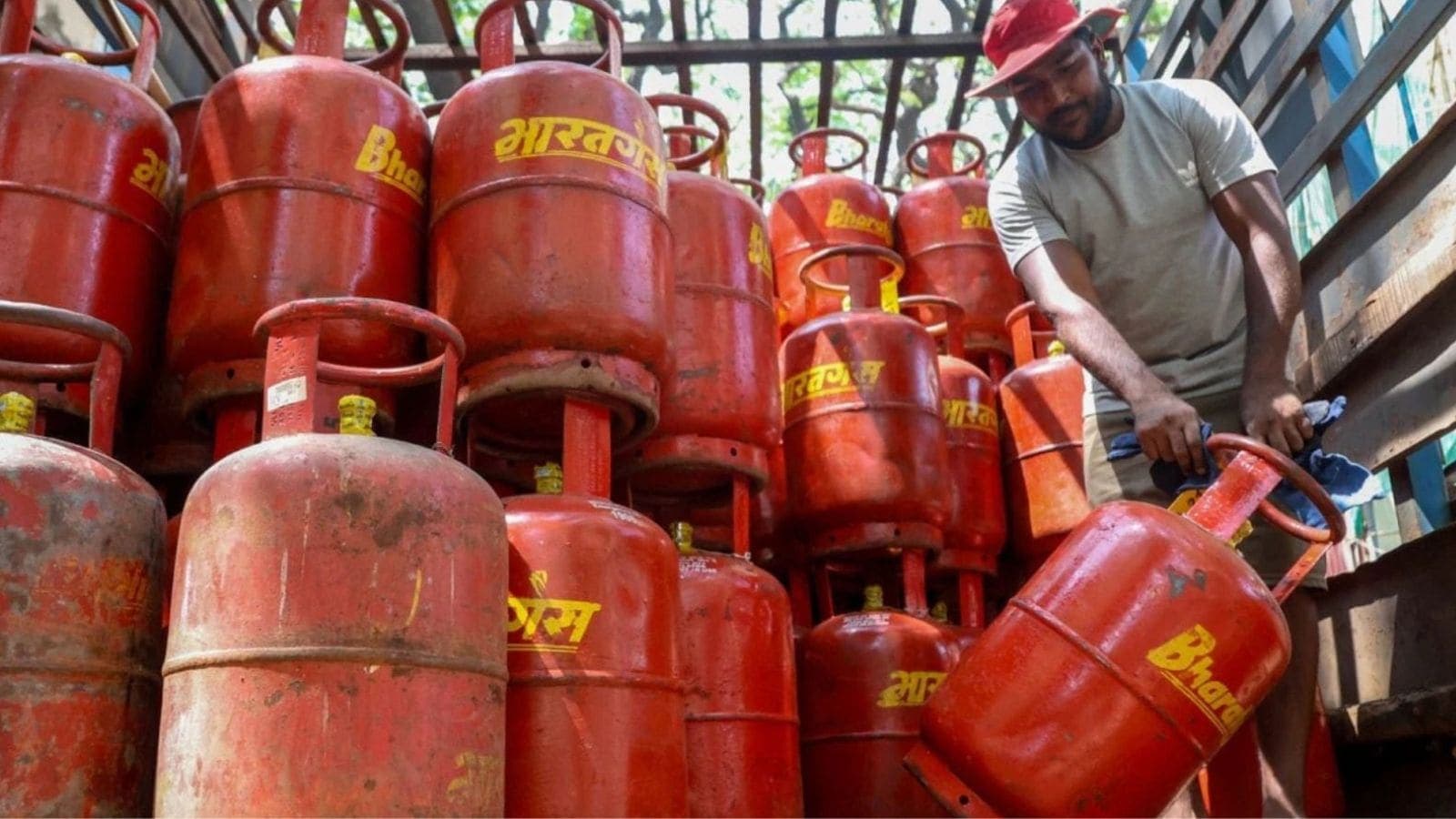
Commercial LPG prices have risen again, with increases of ₹42 in Delhi and ₹53.50 in Kolkata impacting businesses and consumers alike. Find out more.
Indian Express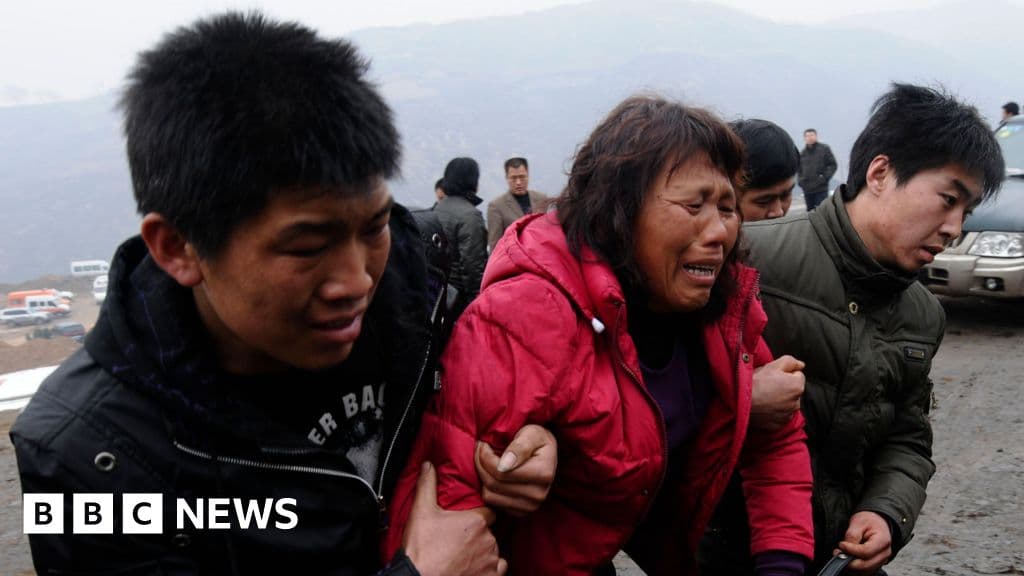
Discover how a tragic coal mine explosion in Shanxi, China, reveals ongoing safety concerns in the industry amidst a push for green energy.
BBC Business
Montek Singh Ahluwalia highlights key economic challenges for India, emphasizing the need for a strategic approach to balance payments and investment.
Indian Express