

Image: The Hindu
Nigerian soldiers repel militant attack, killing 80 in Borno. What does this mean for the ongoing battle against Boko Haram? Click to learn more.
GlipzoIn a significant display of military strength, Nigerian soldiers successfully repelled a fierce attack on a military base in Mallam Fatori, located in Borno State, on March 18, 2026. According to the Nigerian Army, the assault was launched by suspected members of the notorious Boko Haram and the Islamic State West Africa Province (ISWAP) around 12:50 AM. The military claims to have killed at least 80 militants, including three high-ranking commanders, during the confrontation.
The operation was bolstered by air support, which played a crucial role in the soldiers’ response to the assault. Army spokesperson Sani Uba stated that the troops had been prepared for the attack and utilized both ground fire and aerial assistance to effectively neutralize the threat. However, independent verification of these claims by the Associated Press has not been possible.
This recent military engagement comes on the heels of a tragic series of suicide bombings on March 16, which resulted in the deaths of at least 23 individuals and injuries to 108 others in Maiduguri, the capital of Borno State. While no group has officially taken responsibility for these bombings, Boko Haram remains the prime suspect, given their long-standing insurgency in the region aimed at imposing a radical interpretation of Sharia law.
Boko Haram has increasingly become a formidable force since the insurgency began in 2009, with numerous factions and thousands of fighters. The emergence of ISWAP, an affiliate of the Islamic State, has further complicated the security landscape, leading to a marked increase in attacks against military personnel and assets in recent months. The ongoing violence has stretched the capabilities of the Nigerian military, which is also confronting multiple security challenges across the northern regions of the country.
The implications of the insurgency have been devastating. Data from the United Nations indicates that more than 40,000 people have lost their lives since the conflict began. The Nigerian government has faced criticism for its inadequate response to protect civilians, with many citizens feeling increasingly vulnerable amid ongoing violence.
The military’s ability to address these threats has been further complicated by the sheer scale of the crisis, as they juggle multiple insurgent factions and other forms of insecurity, including banditry and inter-communal violence. Despite the recent success against the militant attack, the overall situation in the region remains precarious.
In light of the escalating violence, the United States has recently deployed troops to Nigeria to provide advisory support to the Nigerian military. This international partnership aims to bolster efforts against the persistent insecurity that plagues the region. As these dynamics unfold, the role of international actors in supporting Nigeria's military strategies will be crucial.
The recent military victory may provide a temporary morale boost for the Nigerian Army, but analysts emphasize that the government must adopt a more comprehensive approach to ensure lasting peace and security. Enhanced intelligence operations, community engagement, and socio-economic development are key areas that require urgent attention to mitigate the root causes of insurgency and violence in northeastern Nigeria.
As the situation continues to evolve, several key factors will be important to monitor: - Increased Military Engagement: Will the Nigerian military ramp up operations against Boko Haram and ISWAP following this victory? - International Support: How will the involvement of U.S. forces influence the effectiveness of counter-terrorism strategies in Nigeria? - Humanitarian Response: Will the government address the humanitarian needs of affected populations, especially in light of recent attacks? - Long-Term Stability: What measures will be implemented to foster peace and rebuild trust within communities that have been torn apart by violence?
The battle against insurgency in Nigeria is far from over, but the recent actions by the military suggest a resilient response to an ongoing crisis. As the conflict continues, both local and international observers will be keenly watching how the situation unfolds in this war-torn region.
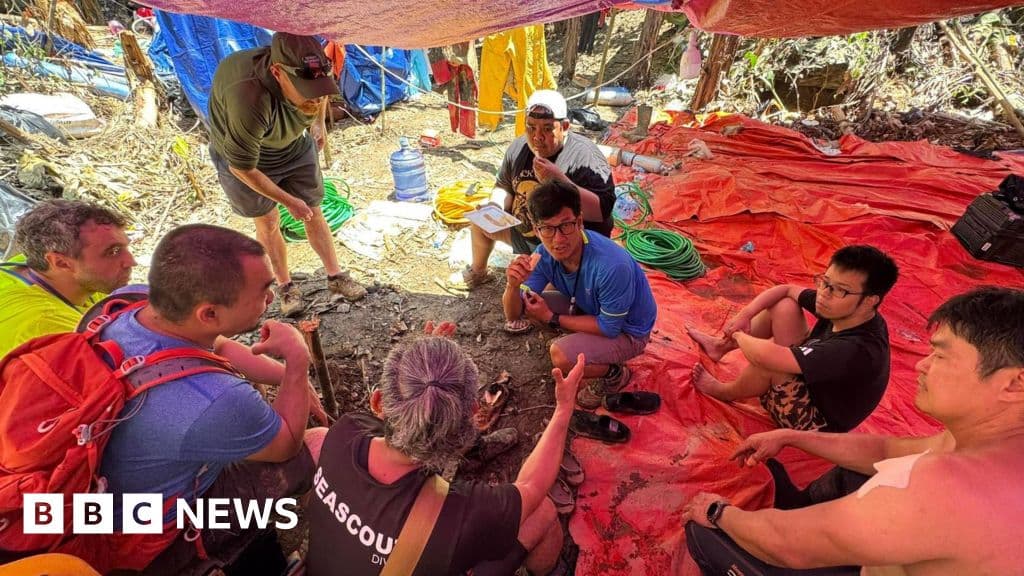
Survivors of the Laos cave rescue are aiding efforts to find the last two missing men trapped inside, sharing crucial insights for the search operation.
BBC World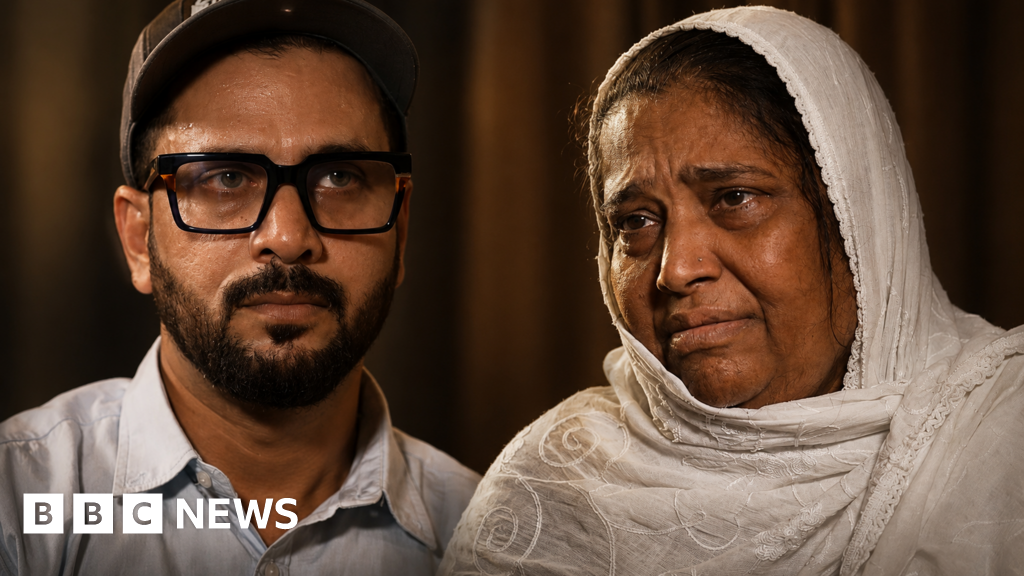
A year after the tragic Air India crash, the Ali family reflects on grief, unanswered questions, and the enduring bonds of love in the face of loss.
BBC Business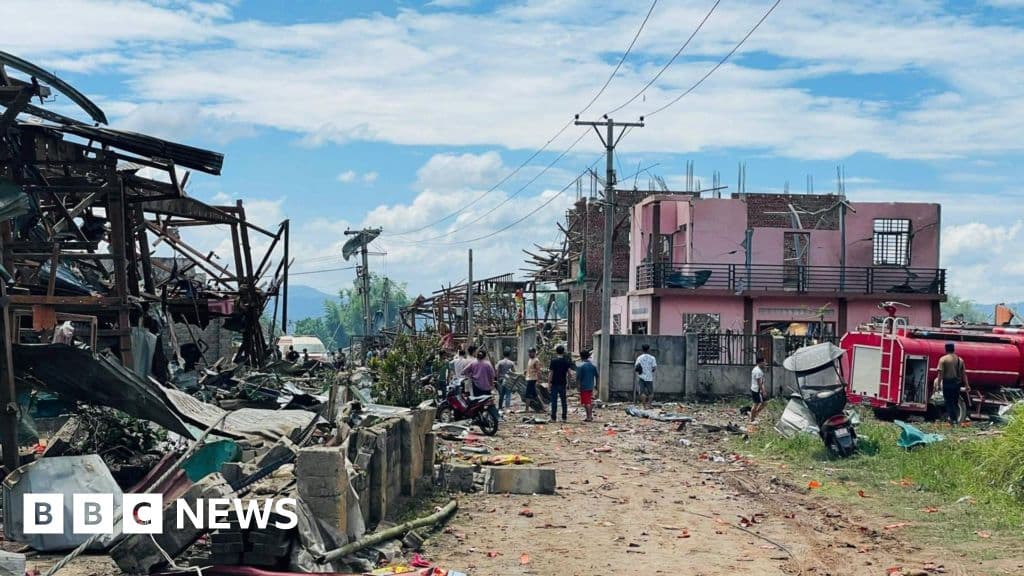
A devastating explosion in Myanmar's Kaung Tat village has killed at least 55 people, raising serious safety concerns and questions about civilian protection in conflict zones.
BBC World