

Image: Indian Express
NCDRC rules HDFC Bank's vehicle repossession was illegal, emphasizing consumer rights and fair practices. Discover the implications of this landmark decision.
GlipzoIn a landmark decision that has sent shockwaves through the banking sector, the National Consumer Disputes Redressal Commission (NCDRC) has ruled against HDFC Bank, declaring that their actions in repossessing a borrower's vehicle were unlawful. This ruling, issued on September 29, 2020, comes as a significant victory for consumer rights, emphasizing the necessity for transparency and fairness in banking practices.
The case began when a borrower took out a loan for a Toyota Innova valued at Rs 12.89 lakh, financing Rs 11.06 lakh through HDFC Bank. The repayment plan required 60 monthly installments of Rs 23,920, spanning from September 2014 to August 2019. HDFC Bank accused the borrower of being a chronic defaulter, citing bounced cheques and outstanding dues.
The NCDRC's ruling highlights several critical points regarding the bank's repossession process: - Opaque and Arbitrary Actions: The commission criticized the bank's repossession methods, noting that they violated principles of natural justice and fair procedure. - Insufficient Notice: The repossession was executed without adequate notice, which is a necessity in such transactions. - Transparency in Sale Process: The sale of the repossessed vehicle lacked transparency, failing to provide the borrower with crucial details about the sale, including valuation and bidding processes.
According to the commission, contractual powers held by financial institutions must still align with ethical standards of fairness and transparency. The bank's internal policies were also called into question, particularly its emphasis on recovery that avoids arbitrary deprivation of property.
The borrower contested the bank's claims, asserting that he had fulfilled a significant portion of his repayment obligations, having made 13 out of 17 payments by January 2016. The district consumer commission supported this assertion, finding the bank's characterization of the borrower as a habitual defaulter to be unfounded.
The NCDRC agreed, stating that although the borrower had defaulted, the bank's right to repossess must be exercised judiciously, with proper notification and an opportunity for the borrower to address outstanding dues. The commission underscored that borrowers should be active participants in the sale of repossessed assets, ensuring fairness in the process.
This ruling has broader implications for the banking industry, emphasizing that financial institutions can no longer sidestep issues of fairness and transparency under the guise of contractual agreements. The NCDRC pointed out that contractual terms cannot override the fundamental principles of justice, reinforcing the idea that lenders must operate within ethical boundaries.
The commission's decision serves as a reminder that while banks have the right to recover loans, they must do so in a manner that respects the rights of consumers. This ruling sets a precedent that could influence future cases involving loan defaults and repossessions, potentially reshaping how banks handle similar situations.
Moving forward, both consumers and financial institutions must remain vigilant in understanding their rights and obligations. Borrowers should be aware of their rights regarding loan agreements and repossession processes, while banks must ensure that their practices align with legal standards and ethical expectations.
The NCDRC's ruling is a significant step toward safeguarding consumer rights in India, particularly in the financial sector. By enforcing the principles of fairness and transparency, this decision reassures borrowers that they are not powerless against potentially arbitrary actions by lending institutions.
As the landscape of consumer rights continues to evolve, it will be crucial for both borrowers and lenders to engage in practices that promote fairness and transparency, ensuring a balanced relationship in the financial ecosystem.
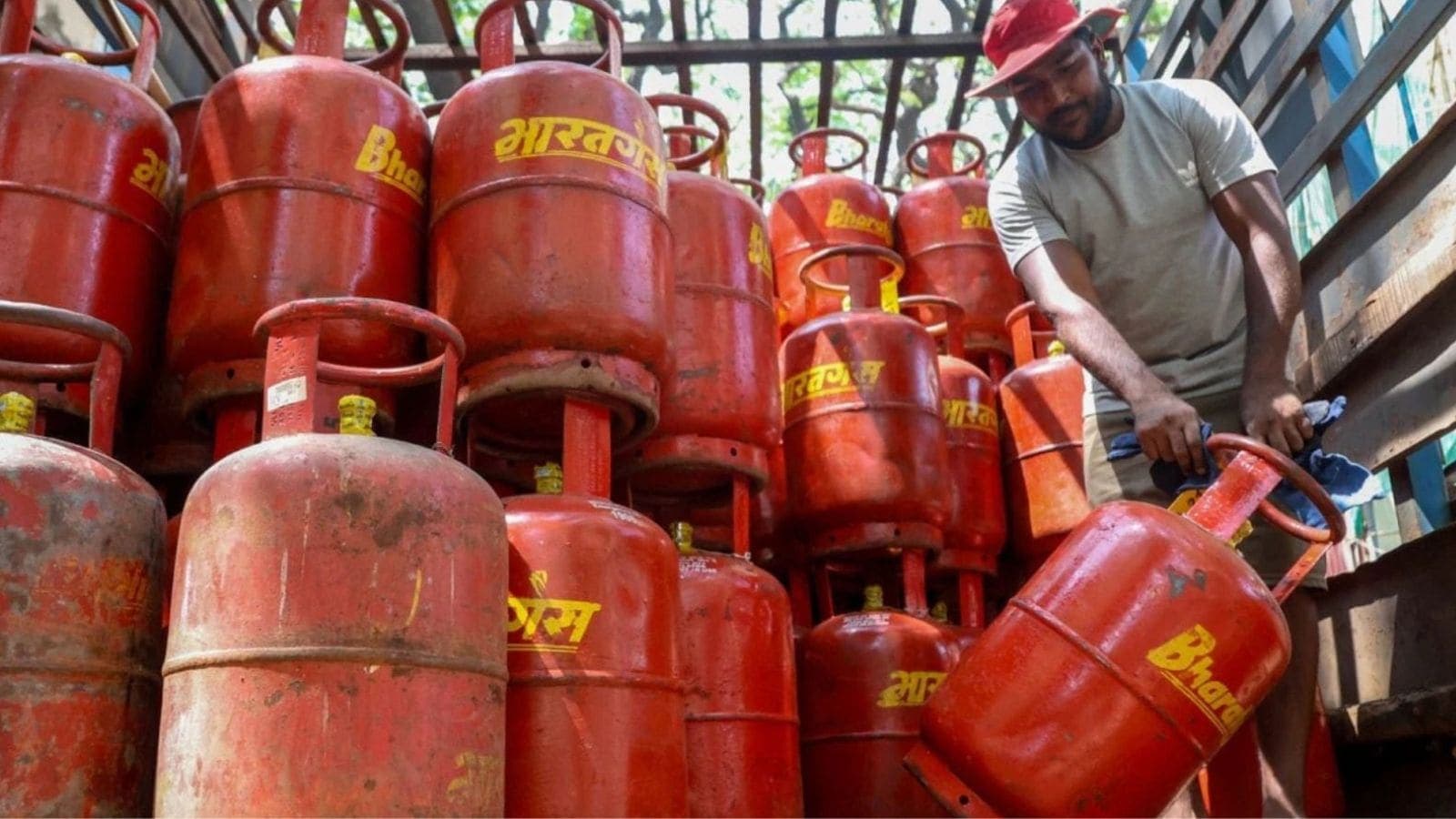
Commercial LPG prices have risen again, with increases of ₹42 in Delhi and ₹53.50 in Kolkata impacting businesses and consumers alike. Find out more.
Indian Express
Discover how a tragic coal mine explosion in Shanxi, China, reveals ongoing safety concerns in the industry amidst a push for green energy.
BBC Business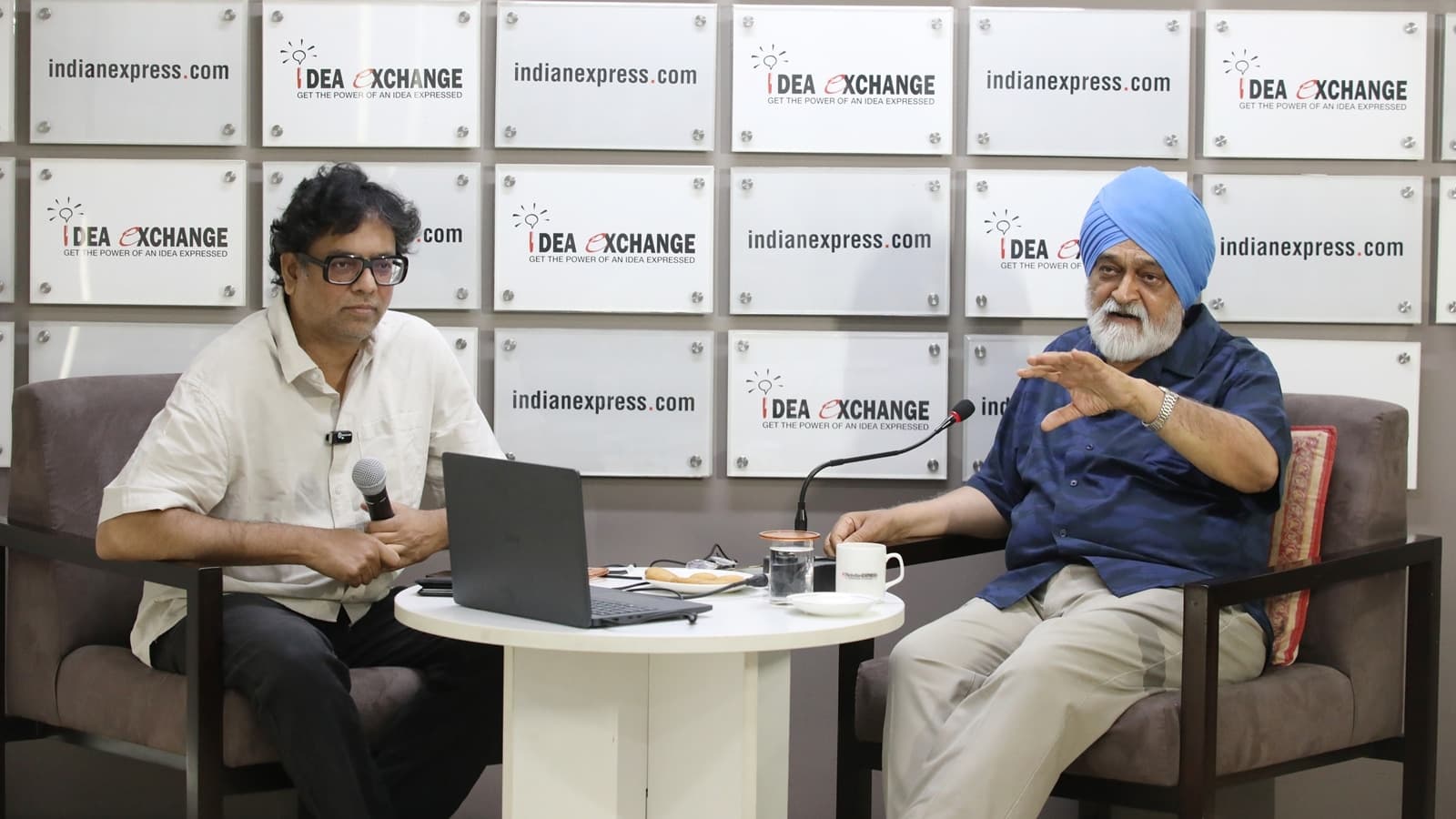
Montek Singh Ahluwalia highlights key economic challenges for India, emphasizing the need for a strategic approach to balance payments and investment.
Indian Express