
Image: The Hindu
Northeastern Nigeria faced a devastating night with bombings in Maiduguri, resulting in numerous casualties. What does this mean for the region's security?
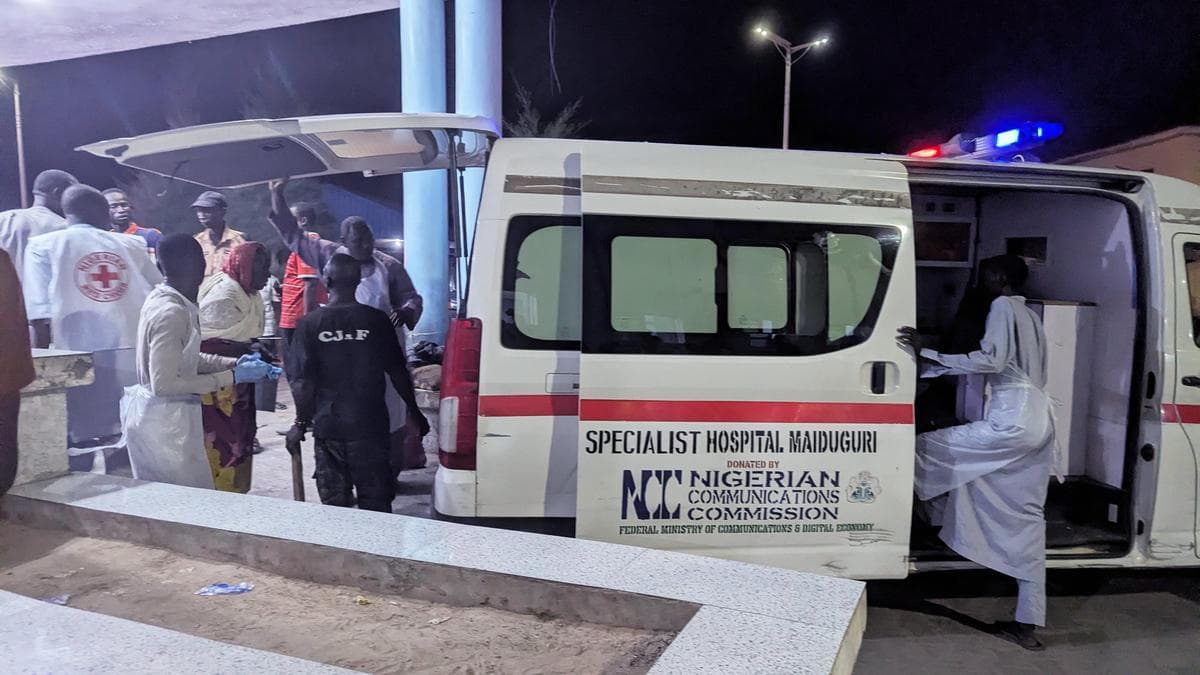
GlipzoOn the evening of March 16, 2026, northeastern Nigeria was shaken by a series of devastating bomb blasts that have left many dead and injured. The explosions occurred in the capital of Borno State, Maiduguri, a city that has been at the center of ongoing violence from extremist groups like Boko Haram for over a decade. Emergency services reported multiple sites of attack, with initial indications pointing towards possible suicide bombings.
The blasts were reported at three key locations: the entrance of the University of Maiduguri Teaching Hospital, and two bustling local markets known as the Post Office and the Monday Market. As local hospitals scrambled to manage the influx of casualties, Sirajo Abdullahi, the head of operations at Nigeria’s National Emergency Management Agency (NEMA), provided updates on the grim situation. “There are casualties and they are still managing the casualties at the hospital,” Abdullahi stated, emphasizing the ongoing efforts to assess the full impact of the attacks.
The violent incidents in Maiduguri are particularly alarming given the recent history of relative calm in the area. The Nigerian military had reported earlier in the day that they successfully repelled attacks from suspected Islamic militants on the outskirts of the city. This, combined with the recent surge of aggression from extremist groups, underscores the precarious security situation in the region.
For years, northeastern Nigeria has grappled with a complex security crisis, primarily due to the insurgency led by Boko Haram and its splinter factions. These groups have increasingly targeted military installations and civilians alike, contributing to a humanitarian disaster in one of the world’s most volatile regions.
The frequency of attacks had diminished in Maiduguri itself, leading many to hope that military operations were successfully curtailing the insurgency. However, this recent bombing raises serious concerns about the resilience and resources of these extremist factions.
In the aftermath of these tragic events, Governor Babagana Umara Zulum of Borno State condemned the bombings, calling them “utterly condemnable, barbaric, and inhumane.” He expressed his heartfelt condolences to the families of those affected and urged the community to remain vigilant.
“My thoughts and prayers are with the families of the victims and those injured as a result of the blast,” Zulum stated, encouraging residents to continue their daily activities while remaining observant of any suspicious behavior in their surroundings. The governor’s message reflects a dual approach: mourning the losses while also calling for resilience among the populace.
The bombings in Maiduguri are not merely tragic incidents; they represent a significant setback in the ongoing struggle against terrorism in Nigeria. This attack not only highlights the persistent threat posed by Boko Haram but also raises questions about the effectiveness of current security measures in the region. The implications for local communities are dire, as fear can lead to displacement and further humanitarian crises.
The attacks may also impact international perceptions of security in Nigeria, potentially affecting foreign investments and aid to the region. As the country continues to recover from years of violence, these bombings remind both citizens and authorities that the fight against extremism is far from over.
As Nigeria reflects on this recent surge in violence, there are critical considerations for the future. The government must reassess its strategies to combat terrorism effectively, focusing on intelligence gathering, community engagement, and military readiness.
Local security forces must work collaboratively with communities to build trust and ensure that residents feel safe reporting suspicious activities. The international community's role in supporting Nigeria’s fight against terrorism is also crucial, as collaborative efforts can lead to more sustainable solutions.
In the coming days, further updates on casualty figures and potential claims of responsibility for the attacks are expected. Vigilance and community solidarity will be paramount in navigating the aftermath of this tragedy, as Maiduguri and its residents strive for peace amidst turmoil. The resilience of the Nigerian people in the face of such adversity will be tested, and the world will be watching closely as events unfold.
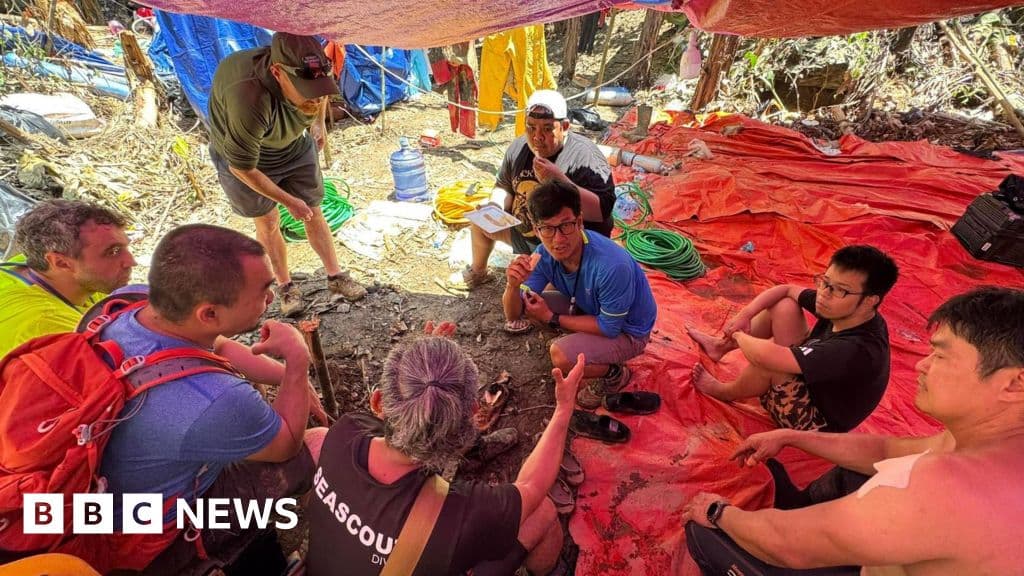
Survivors of the Laos cave rescue are aiding efforts to find the last two missing men trapped inside, sharing crucial insights for the search operation.
BBC World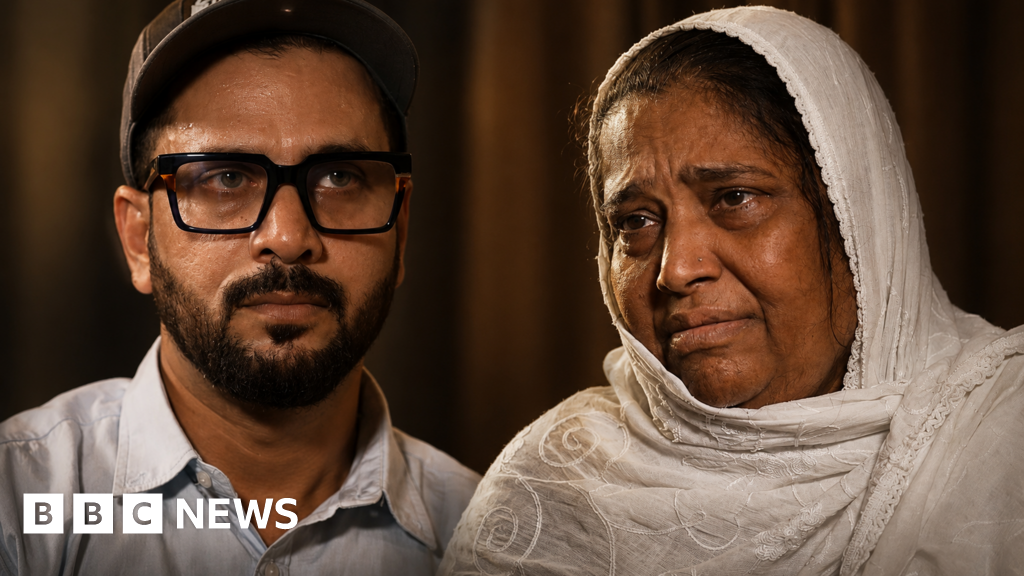
A year after the tragic Air India crash, the Ali family reflects on grief, unanswered questions, and the enduring bonds of love in the face of loss.
BBC Business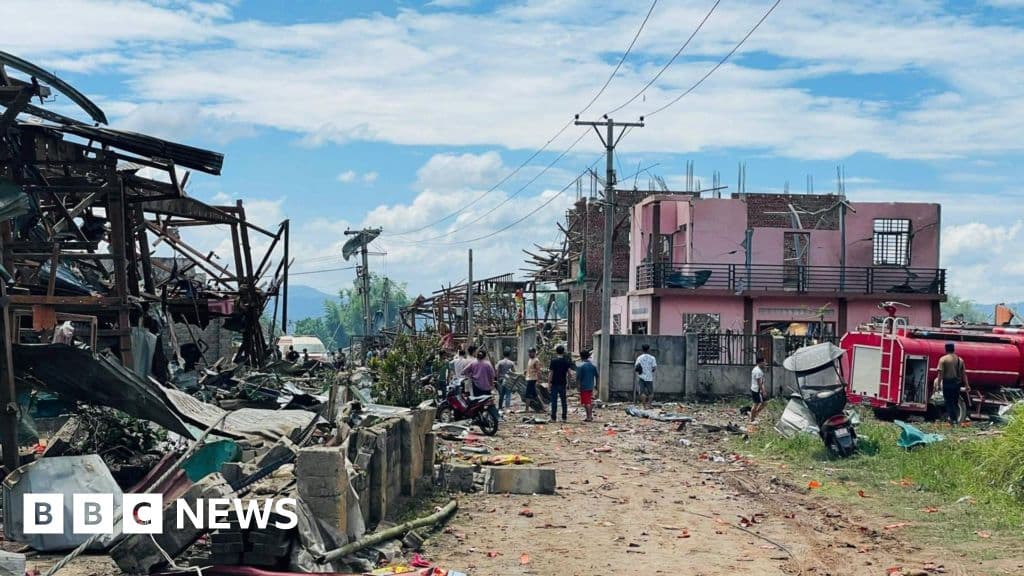
A devastating explosion in Myanmar's Kaung Tat village has killed at least 55 people, raising serious safety concerns and questions about civilian protection in conflict zones.
BBC World