

Image: Ars Technica
Meta reverses its decision to end VR support for Horizon Worlds, focusing on user feedback while shifting development to mobile. What’s next for the metaverse?
GlipzoIn a surprising turn of events, Meta Platforms has decided to continue supporting Horizon Worlds, its virtual reality experience, despite earlier indications that the platform would shift its focus almost entirely to mobile. This decision was communicated by Andrew Bosworth, Meta’s Chief Technology Officer, during a recent Q&A session on Instagram.
Bosworth stated, "We have decided, just today in fact, that we will keep Horizon Worlds working in VR," responding directly to user concerns about the potential discontinuation of VR support. This announcement marks a significant shift in the company’s strategy regarding its metaverse ambitions, which many believed were faltering.
Earlier this year, Meta revealed plans to concentrate on mobile experiences, announcing in February that the development focus for Horizon Worlds would almost exclusively cater to mobile users. This pivot was part of a broader strategy to streamline operations within the company’s Reality Labs division. The decision came on the heels of significant layoffs, with 1,000 employees losing their jobs, primarily from teams dedicated to creating first-party VR content for Meta’s Quest headsets.
This restructuring also included changes to the marketplace for VR applications, with Meta emphasizing support for third-party developers rather than investing heavily in internal projects. Bosworth had previously indicated that there was a larger audience for mobile applications, which aligned with the company's desire to enhance development speed and output by focusing on mobile platforms.
Despite a clear shift towards mobile, Bosworth's recent statement signifies a reconsideration of that strategy, at least in the short term. The announcement comes after feedback from users who voiced their desire to retain VR support in Horizon Worlds. However, Bosworth clarified that while existing VR experiences will remain functional, new developments will be increasingly mobile-centric.
This means that while VR users can still enjoy what’s currently available, the future of Horizon Worlds will lean heavily toward mobile applications. The company’s ongoing investment in augmented reality (AR) technologies and new VR headset releases suggests that Meta is still committed to exploring innovations in immersive experiences, even if the immediate focus is shifting.
The decision to maintain VR support in Horizon Worlds is crucial for several reasons: - User Retention: By keeping VR functionality, Meta aims to retain its existing user base, which is vital for the long-term viability of Horizon Worlds. - Market Competition: With competitors in the VR and AR space rapidly advancing, maintaining a robust VR platform is essential for Meta to stay relevant. - Feedback-Driven Development: This move illustrates a willingness to adapt based on user feedback, which can foster a more loyal community as users feel their input is valued.
The metaverse has been a hot topic in tech circles, representing a virtual collective space where users can interact in real-time. Meta's initial push into this realm was ambitious, but the company has faced challenges, including user engagement and market dynamics. Continuing to support VR in Horizon Worlds could be a strategy to bolster user confidence in Meta's metaverse vision.
As Meta navigates its future in the metaverse landscape, several key developments are worth watching: - New VR Headsets: Anticipation builds around the release of new Meta VR headsets, which could enhance the user experience in Horizon Worlds. - Mobile Experience: Expect to see a significant ramp-up in mobile-focused applications and features, as the company redirects its resources in development. - Community Feedback: The company’s responsiveness to user feedback will be critical in shaping the future trajectory of Horizon Worlds and its metaverse aspirations. - Competitor Movements: How Meta's competitors respond to this pivot will also be pivotal, potentially influencing the overall direction of the VR and AR markets.
In summary, while Meta is scaling back its VR ambitions in some respects, its decision to keep Horizon Worlds operational for VR users reflects a nuanced approach to engaging its community. The future of the metaverse, while uncertain, remains a critical focus for Meta as it adapts to evolving market conditions and user expectations.
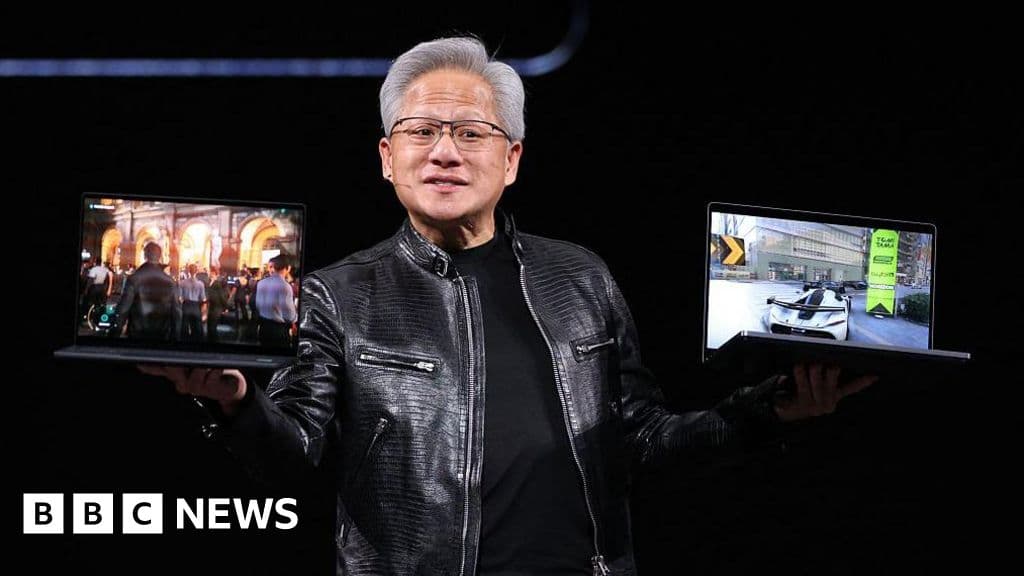
Nvidia's new RTX Spark chip aims to transform personal computing with AI, marking a significant shift in technology. Discover what this means for consumers.
BBC Business
The explosion of Blue Origin's New Glenn rocket raises significant concerns over NASA's lunar ambitions and the future of Amazon's satellite projects. Discover the implications.
BBC Science
Discover how Meta's lack of engagement on user bans raises critical concerns about accountability and transparency in social media governance.
BBC Technology