
Image: BBC World
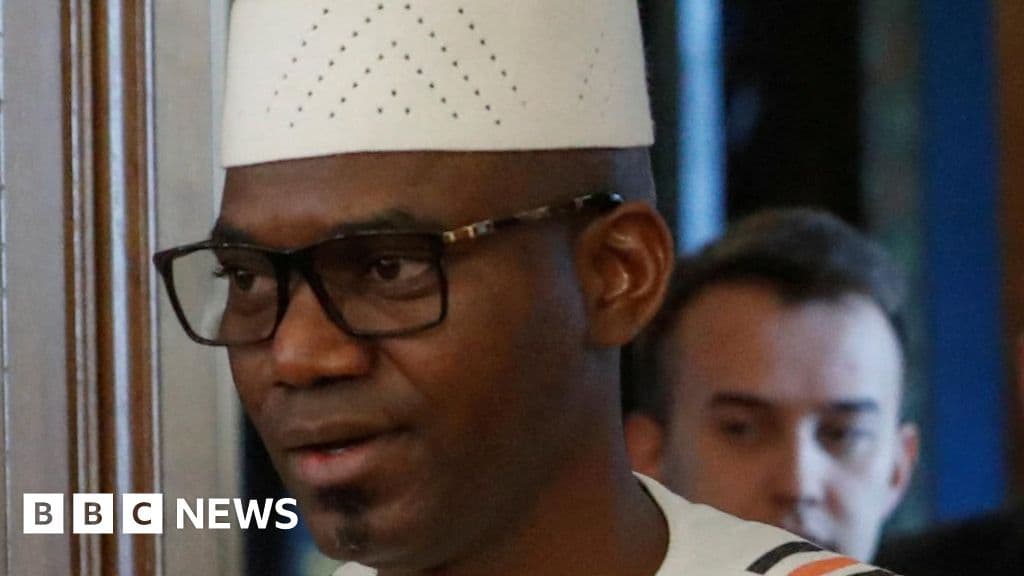
Mali's Defense Minister Sadio Camara killed in a suicide bombing, marking a dangerous surge in violence across the country. What does this mean for Mali's future?
GlipzoIn a devastating turn of events, Mali's defense minister, Sadio Camara, was killed in a suicide truck bombing that targeted his residence near the capital, Bamako. The attack occurred on Saturday, marking a significant escalation in the ongoing violence that has gripped the nation due to a surge of coordinated assaults by jihadist militants and separatist forces.
Reports from multiple news sources confirm that Camara, who was actively engaging with the attackers, sustained serious injuries during the incident. State television later confirmed his death, revealing that he had been wounded while defending his home against the onslaught. Tragically, the attack also resulted in the deaths of at least three family members of the minister, further amplifying the tragedy of the event.
The bomb blast not only claimed the life of Camara but also led to the destruction of his residence and a nearby mosque, where several worshippers lost their lives. This incident is part of a larger pattern of violence that has been escalating in Mali, particularly from jihadist groups affiliated with al-Qaeda and the Islamic State, as well as separatist movements like the Azawad Liberation Front (FLA).
The gravity of this incident was underscored by Issa Ousmane Coulibaly, the government spokesman, who described the attack as a vehicle laden with explosives driven by a suicide attacker. Eyewitness accounts suggest that the jihadist group Jama'at Nusrat al-Islam wal-Muslimin (JNIM) executed simultaneous attacks across multiple locations in Mali during this period, indicating a well-coordinated effort to destabilize the country.
In the aftermath of the attack, Gen. Assimi Goita, head of the military junta, was relocated to a secure location after his residence was also targeted. The situation is particularly tense in the northern regions of Mali, where Russian mercenaries, hired by the military, agreed to withdraw from Kidal following two days of intense clashes. The FLA has claimed that their forces have not completely lost control of Kidal, asserting that the city remains a critical point in their struggle for a breakaway Tuareg state.
Ulf Laessing, head of the Sahel program at the Konrad Adenauer Foundation, stated that this incident marks one of the largest coordinated jihadist attacks that Mali has experienced in years. The FLA's spokesman, Mohamed Elmaouloud Ramadane, confirmed that the group was continuing to engage with government forces in Kidal, emphasizing their determination to secure the area amidst the ongoing conflict.
Following the attack and subsequent clashes, the military has ramped up security measures across the nation, issuing a nationwide alert and reinforcing checkpoints to prevent further violence. Curfews have also been imposed in various regions to maintain order and ensure the safety of civilians.
In the aftermath of the violence, the military has vowed that the attacks will not go unanswered, promising a robust response to the ongoing insurgency. The Malian government faces challenges on multiple fronts, including addressing the security crisis while maintaining political stability in the face of such attacks.
As the situation continues to unfold, observers are keenly watching how the military junta will respond to the escalating violence and whether the FLA can maintain their momentum in the north. The possibility of further clashes looms large, especially as the FLA has expressed ambitions to take control of Gao, which could lead to even more widespread unrest throughout Mali.
The assassination of a high-ranking official like Sadio Camara signals a dangerous escalation in Mali's ongoing conflict, revealing the vulnerability of the government to organized insurgent attacks. With both jihadist and separatist groups demonstrating their capacity for coordinated strikes, the stability of the region hangs in the balance. This attack not only impacts Mali's internal security but also poses a significant threat to regional stability in the Sahel, a region already grappling with persistent violence and humanitarian crises.
In the coming weeks, it will be crucial to monitor the developments in Mali as the government seeks to regain control over the narrative and the ground. The balance between military action and diplomatic efforts to address the root causes of unrest will be pivotal in determining the future of Mali and its people.
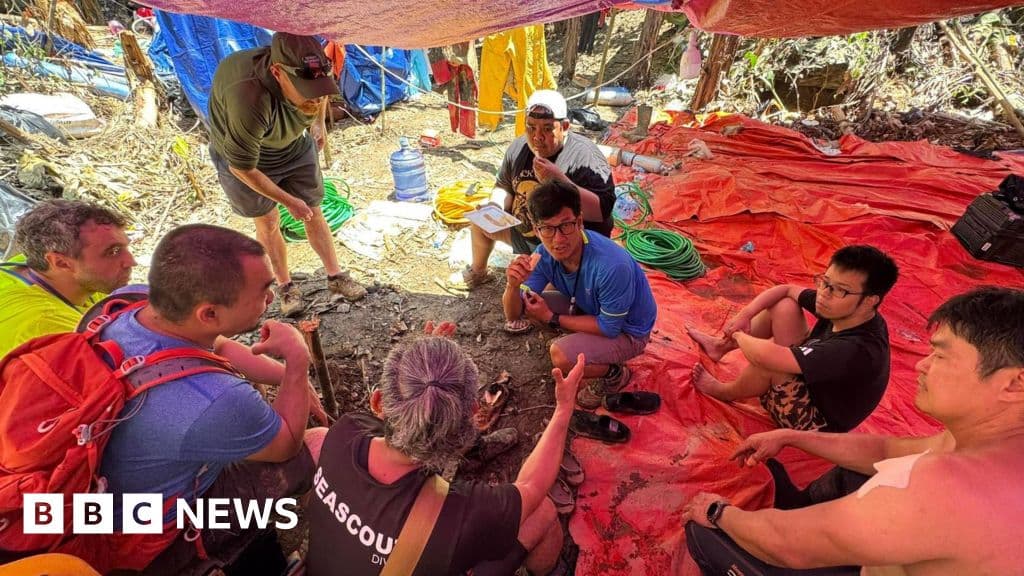
Survivors of the Laos cave rescue are aiding efforts to find the last two missing men trapped inside, sharing crucial insights for the search operation.
BBC World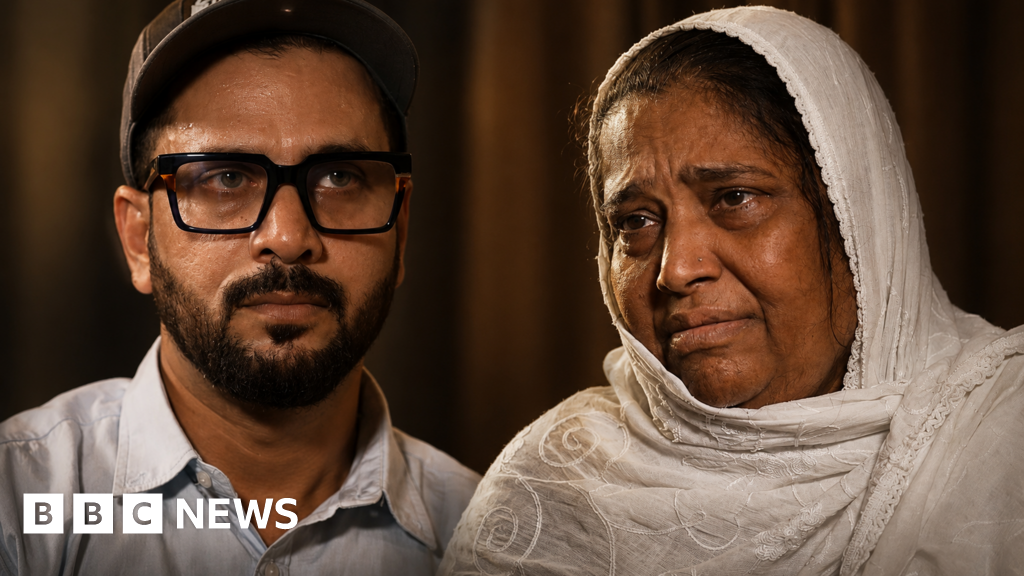
A year after the tragic Air India crash, the Ali family reflects on grief, unanswered questions, and the enduring bonds of love in the face of loss.
BBC Business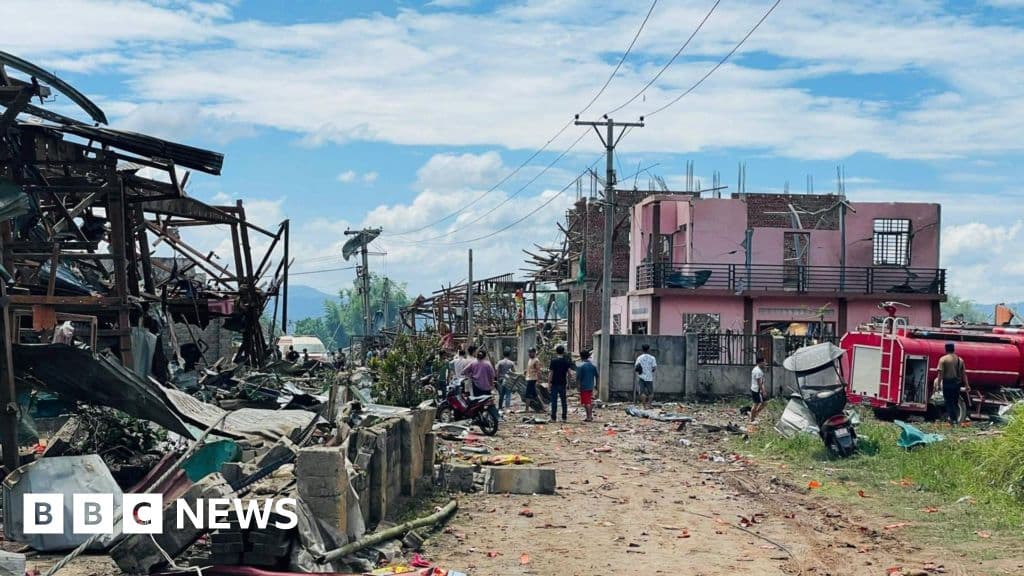
A devastating explosion in Myanmar's Kaung Tat village has killed at least 55 people, raising serious safety concerns and questions about civilian protection in conflict zones.
BBC World