
Image: BBC Business
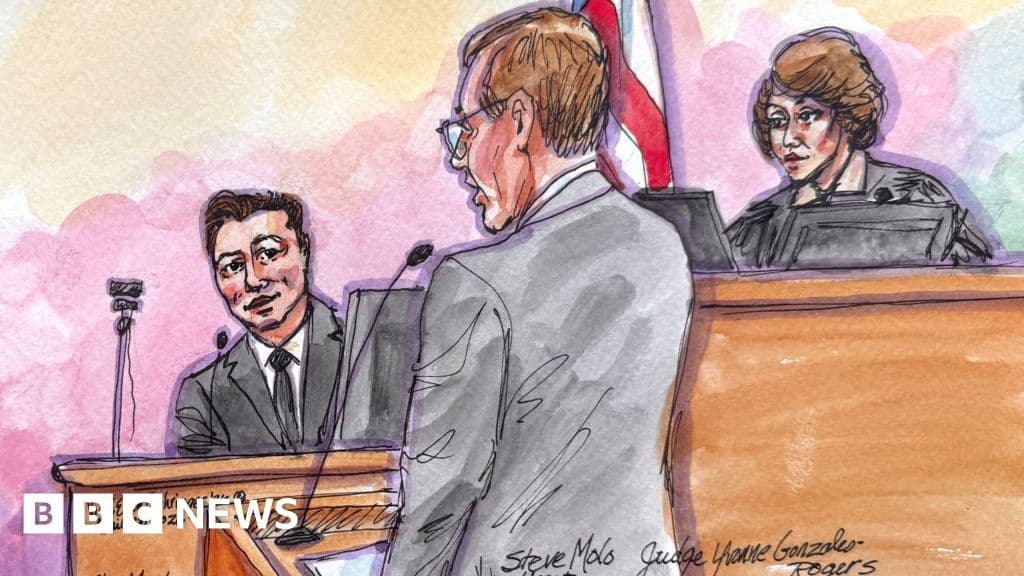
Elon Musk's lawsuit against OpenAI reaches a critical stage as Judge Yvonne Gonzalez Rogers prepares to make a pivotal decision. What’s at stake?
GlipzoIn a high-stakes courtroom drama that pits Elon Musk, the world’s richest man with a staggering net worth exceeding $750 billion, against Sam Altman, CEO of OpenAI, the legal landscape has become a battleground for two titans of the tech industry. The case, unfolding in a California court, revolves around Musk’s $150 billion lawsuit accusing OpenAI of breaching charitable trust and unjust enrichment. This family feud between Musk and Altman, who co-founded OpenAI in 2015, reflects deeper tensions in the tech world about innovation, profit, and ethical responsibility.
Musk, who departed OpenAI in 2018 following a power struggle, has raised eyebrows with accusations against Altman and OpenAI President Greg Brockman. His primary contention is that OpenAI’s decision to establish a for-profit entity in 2019—before launching the revolutionary AI tool ChatGPT—has put his own AI venture, xAI, at a disadvantage. While Musk claims his motives are rooted in protecting the original mission of OpenAI, critics argue that his lawsuit is a strategic move to secure a competitive edge for his new company.
Overseeing this high-profile case is U.S. District Judge Yvonne Gonzalez Rogers, a seasoned legal figure known for her decisive and no-nonsense courtroom demeanor. Born in southern Texas, Gonzalez Rogers has become a formidable presence in the tech litigation space, handling complex cases that draw national attention. According to Michael Rhodes, a retired lawyer, her extensive experience means she is unlikely to be intimidated by the high-profile nature of this case. "I think it’s a function of the fact that she’s now so experienced – nothing’s going to faze her," Rhodes remarked.
Gonzalez Rogers has developed a reputation for being both tough and fair, ensuring that everyone in her courtroom is treated equally under the law. This approach has earned her respect among legal professionals, with commentators noting that her presence alone makes attorneys pay extra attention to their conduct. "There are certain judges who, if they’re on the case, you kind of stand up a little bit straighter," said Jay Edelson, a lawyer involved in other tech-related litigations.
The courtroom has been buzzing with intrigue as Musk has occasionally attempted to take on the role of his own legal counsel. During his testimony, Musk infamously tried to challenge OpenAI’s lawyer William Savitt by alleging leading questions. However, Gonzalez Rogers was quick to intervene, reminding Musk of the courtroom protocol. "That’s not how it works," she asserted, emphasizing that Savitt was permitted to lead the examination. The moment was not only a reminder of the courtroom hierarchy but also highlighted Musk’s unusual position as a defendant navigating a legal system where he is typically in control.
In a moment that drew laughter from those present, Musk acknowledged his lack of legal expertise, stating, "Yes – I am not a lawyer," after jokingly referencing his brief Law 101 course. This blend of humor and humility offered a glimpse into his mindset as he faced a judge who is clearly in command of the proceedings.
As the nine-person jury deliberates, their advisory role adds another layer of complexity to the case. Their decision, expected by the end of the month, is not binding; instead, it will be up to Gonzalez Rogers to make the final call. This unique aspect of the case has been noted by legal experts, with Edelson stating, "That changes the whole landscape. It really means that this is completely her show."
Gonzalez Rogers is not new to high-profile tech cases. She has presided over a range of significant litigations, including: - A multi-district litigation involving social media addiction lawsuits against Meta, Snap, TikTok, and Google. - An antitrust case involving Epic Games versus Apple, where she criticized Apple executives for misleading the court.
This legal battle between Musk and Altman is more than just a personal feud; it symbolizes the growing tensions within the tech industry about ethical AI development and the responsibilities of tech leaders. As AI technology continues to evolve and impact various sectors, the outcomes of this case could set important precedents regarding corporate governance, ethical practices, and the role of profit in nonprofit organizations.
Musk’s pursuit of this lawsuit may also foreshadow wider ramifications for other tech companies that are grappling with similar challenges. The implications for OpenAI and the future of AI development are enormous, making this case one to watch closely.
As the jury prepares to weigh in on this complex case, all eyes will be on Judge Yvonne Gonzalez Rogers. Her final ruling will not only determine the outcome for Musk and OpenAI but could also reshape the legal landscape for tech companies navigating their ethical obligations and business practices. Legal analysts are keenly observing how this case will influence future litigation in the tech sector and what it might mean for the future of AI innovation.
In conclusion, the Musk v Altman case is a vivid reminder of the intertwining worlds of technology, ethics, and law. As the courtroom drama unfolds, its impact will resonate far beyond the confines of the courtroom, potentially shaping the future of artificial intelligence and the responsibilities of its creators.
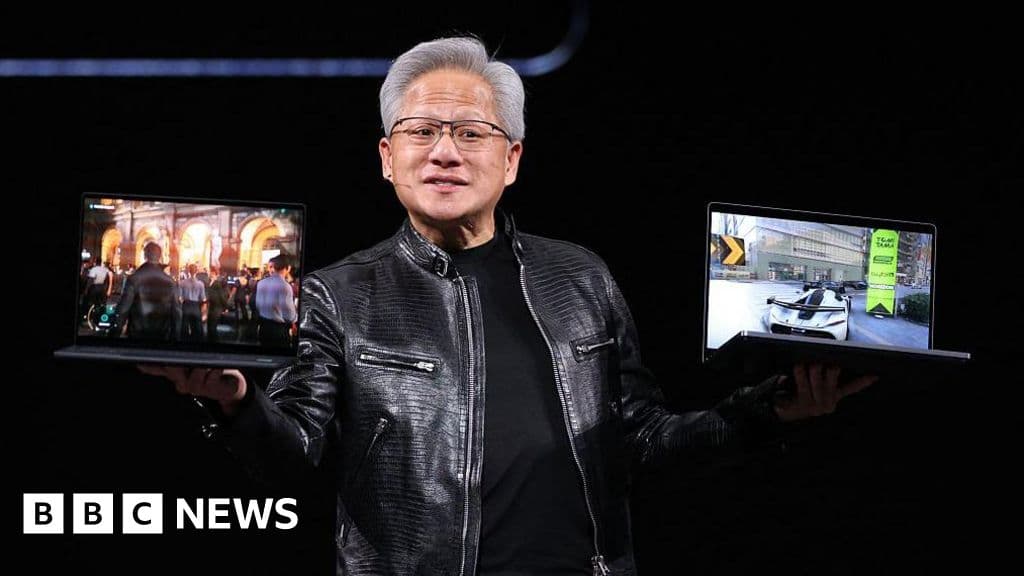
Nvidia's new RTX Spark chip aims to transform personal computing with AI, marking a significant shift in technology. Discover what this means for consumers.
BBC Business
The explosion of Blue Origin's New Glenn rocket raises significant concerns over NASA's lunar ambitions and the future of Amazon's satellite projects. Discover the implications.
BBC Science
Discover how Meta's lack of engagement on user bans raises critical concerns about accountability and transparency in social media governance.
BBC Technology