
Image: BBC World
In a tragic escalation, 22 people, including 8 children, have died in Israeli airstrikes in southern Lebanon. What are the implications for the region?
GlipzoIn a devastating turn of events, 22 individuals, including eight children, have tragically lost their lives due to Israeli airstrikes in southern Lebanon, as reported by the Lebanese health ministry. This surge in violence comes amid ongoing hostilities between Israel and the Lebanese militant group Hezbollah, despite a recently declared ceasefire.
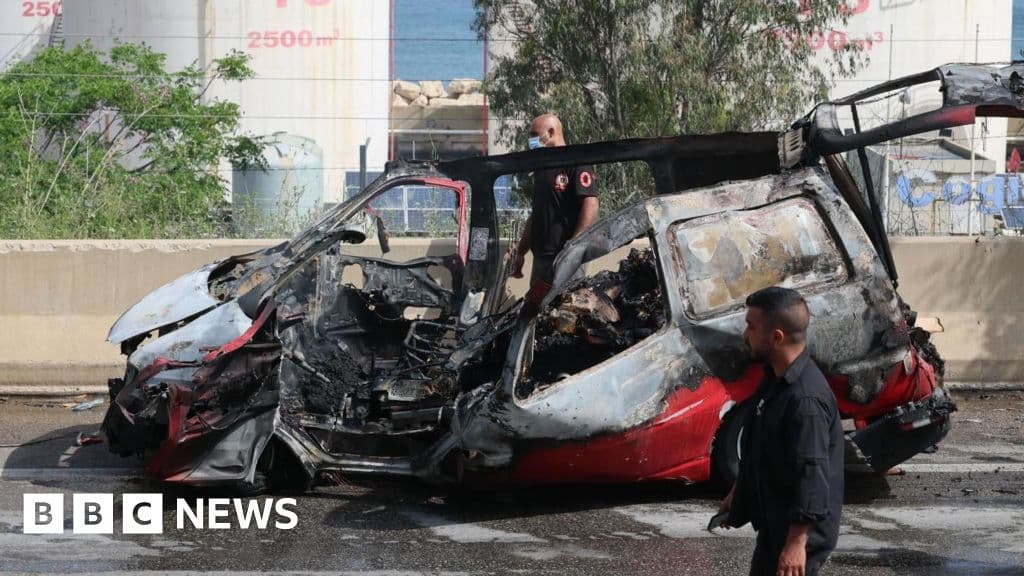
The aerial assaults targeted multiple locations, with eight fatalities recorded when drones struck three vehicles along the coastal highway, particularly affecting areas like Barja, Jiyeh, and Saadiyat, which are approximately 20 kilometers (or 12 miles) from Beirut, the capital of Lebanon. Further south, in the city of Sidon and towns such as Maaliyeh, Chaaitiyeh, and Naqoura, four more lives were lost as strikes hit cars.
In a grim update, officials reported additional casualties, with six people killed in the village of Arab Salim, three in Roumine, and one in Harouf. The Israeli military claimed these operations were aimed at eliminating Hezbollah weapon storage facilities and rocket launchers.
As the conflict escalates, the Israeli military has urged residents in nine towns and villages in southern Lebanon to evacuate, citing an intention to intensify military operations against Hezbollah in their vicinity. The situation has become increasingly perilous, with both sides engaging in aggressive confrontations.
Hezbollah, on its part, announced its own offensive actions against Israeli forces, employing attack drones, rockets, and explosive devices. The United Nations Interim Force in Lebanon (UNIFIL) has expressed growing concern over the escalating military activities near its positions, particularly noting the increased use of drones that have led to dangerous explosions near their bases, endangering peacekeepers.
In the days leading up to these events, a tragic incident claimed the lives of two paramedics from the state-run Civil Defence emergency service, part of a total of 13 casualties resulting from strikes in the region. The Lebanese health ministry has condemned these actions, describing them as a deliberate violation of international humanitarian law, particularly as the paramedics were responding to a prior attack.
In response to accusations, the Israeli military stated that their strikes were aimed solely at what they termed a “terrorist” in the Mayfadoun area, south of Nabatieh. They insisted that the paramedics were not the intended targets, emphasizing that their operations aimed to neutralize threats posed by Hezbollah.
The military also defended a controversial strike in the Kfar Dounine area, which allegedly resulted in the deaths of six individuals, including a child and two family members, by asserting that the strike aimed at a Hezbollah operative involved in artillery attacks on Israeli soldiers.
The Lebanese health ministry has reported that since the ceasefire was brokered by U.S. President Donald Trump nearly a month ago, the death toll in Lebanon has surpassed 400. Meanwhile, over 10,600 homes have been reported damaged or destroyed, as per data from the National Council for Scientific Research.
The conflict, which began on March 2, ignited following a joint U.S.-Israel attack on Iran, triggering Hezbollah's rocket fire into Israel and Israel's subsequent military response. Casualty figures reflect a dire situation, with at least 2,896 reported deaths in Lebanon, a figure that does not differentiate between combatants and civilians. In Israel, 18 soldiers and four civilians have reportedly been killed in the ongoing clashes.
As the violence continues, both sides remain entrenched in their positions. Hezbollah's leader, Naim Qassem, has publicly dismissed diplomatic efforts to de-escalate the situation, asserting that his group will not withdraw from the battlefield.
On Thursday, Israeli and Lebanese officials are slated to engage in a third round of direct negotiations in Washington aimed at halting the violence. However, skepticism persists regarding the potential for a lasting resolution, given the statements from Hezbollah’s leadership and the ongoing military operations.
The situation in southern Lebanon remains precarious as both Israel and Hezbollah gear up for potential further confrontations. Observers are closely monitoring developments, particularly the outcomes of the upcoming talks in Washington.
As the conflict continues to unfold, it is crucial for the international community to engage meaningfully to prevent further escalation and to prioritize the safety and well-being of civilians in both nations.
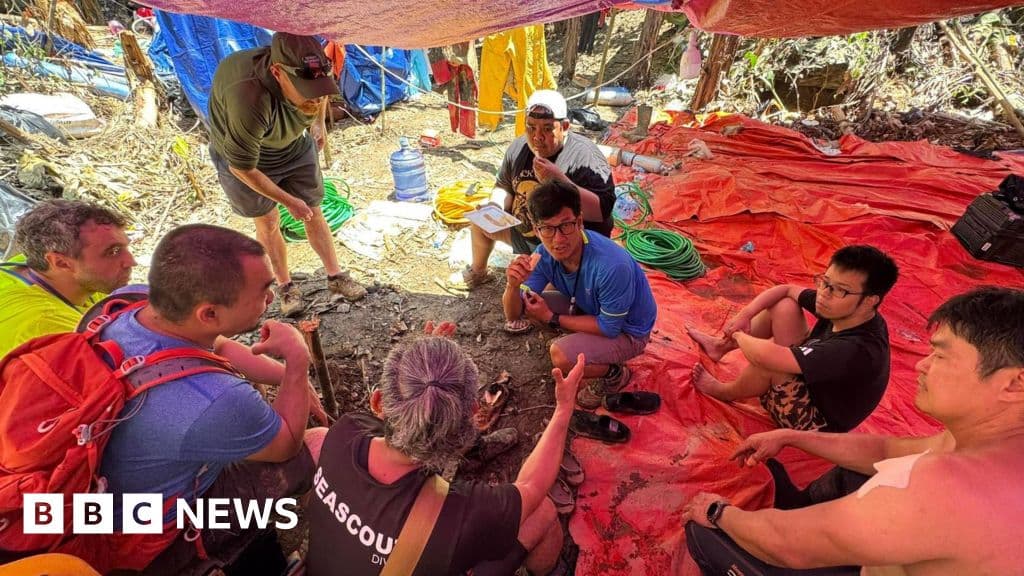
Survivors of the Laos cave rescue are aiding efforts to find the last two missing men trapped inside, sharing crucial insights for the search operation.
BBC World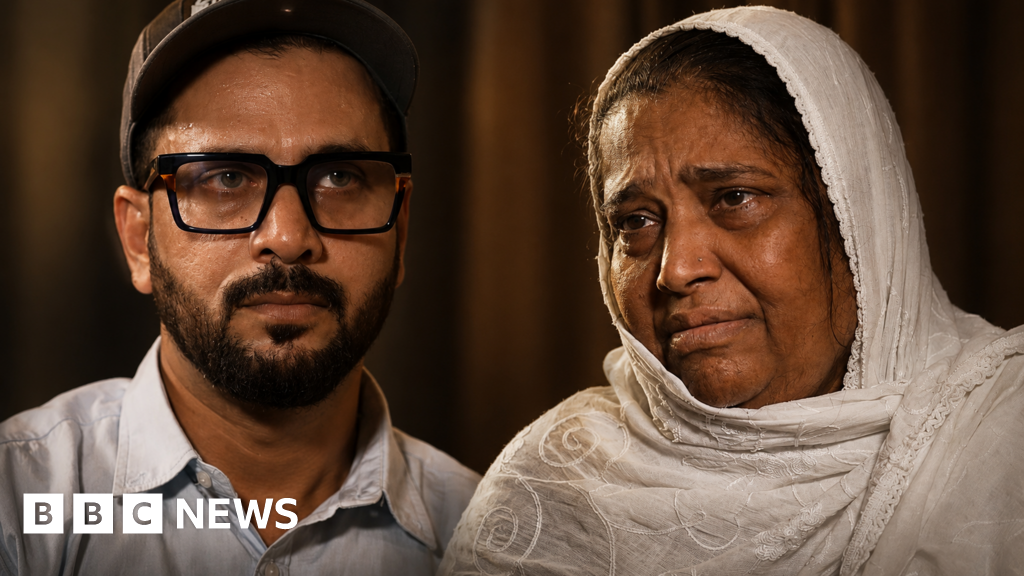
A year after the tragic Air India crash, the Ali family reflects on grief, unanswered questions, and the enduring bonds of love in the face of loss.
BBC Business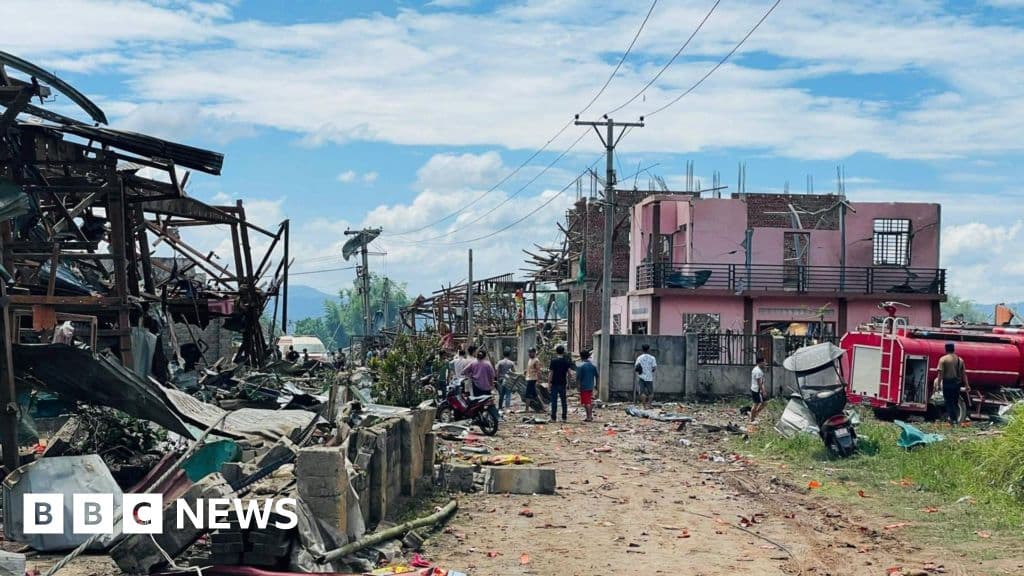
A devastating explosion in Myanmar's Kaung Tat village has killed at least 55 people, raising serious safety concerns and questions about civilian protection in conflict zones.
BBC World