
Glipzo
WorldTechnologyBusinessSportsEntertainmentScienceHealthPolitics
Glipzo
WorldTechnologyBusinessSportsEntertainmentScienceHealthPolitics
  1. Home
  2. /
  3. World
  4. /
  5. Breaking: Israel Strikes Beirut, Violating Ceasefire Agreement
Breaking: Israel Strikes Beirut, Violating Ceasefire Agreement

Image: BBC World

World
Thursday, May 7, 20264 min read

Breaking: Israel Strikes Beirut, Violating Ceasefire Agreement

Israel strikes Beirut, violating a ceasefire with Hezbollah, escalating tensions in a region already fraught with violence. What happens next?

Glipzo News Desk|Source: BBC World
Share
Glipzo

Key Highlights

  • Israel's airstrike on Beirut marks a severe escalation in hostilities.
  • Over 120 fatalities reported in Lebanon amid ongoing conflict.
  • Hezbollah vows retaliation as tensions escalate further.
  • Dahieh neighborhood remains largely deserted due to fear of strikes.
  • Diplomatic talks continue but yield little progress amid violence.

In this article

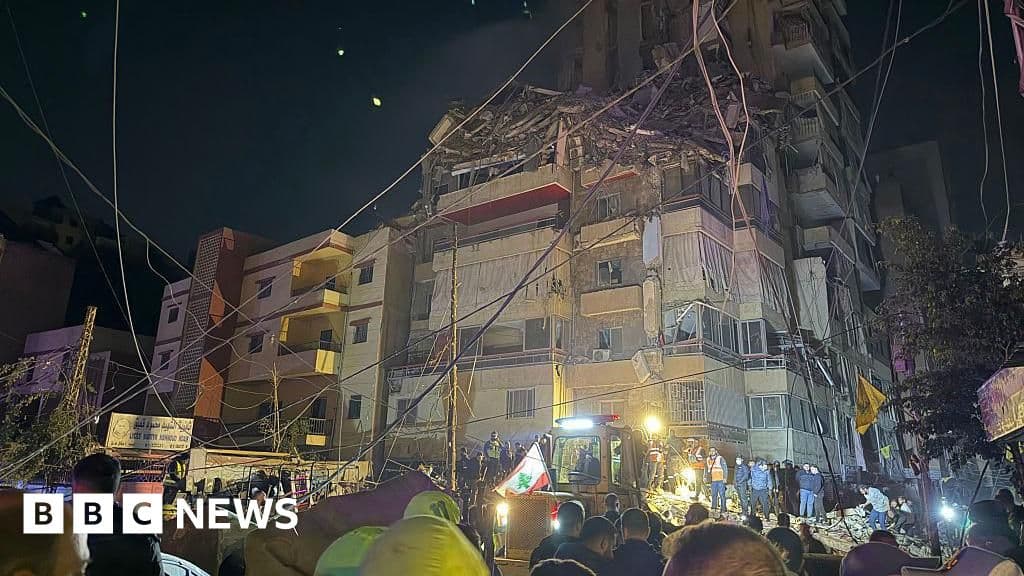
  • Israel's First Strike on Beirut Since Ceasefire Announcement In a shocking escalation of hostilities, **Israel launched an airstrike in Beirut** on Tuesday evening, marking the first attack since a ceasefire was brokered between the Israeli government and the Lebanese militant group **Hezbollah**. This strike places additional strain on a tenuous agreement aimed at stopping the ongoing conflict that has claimed numerous lives and caused widespread destruction. The airstrike targeted the **Dahieh** neighborhood, a known stronghold for Hezbollah, igniting flames and damaging at least one building, as captured in images circulating on social media.
  • Renewed Hostilities Amidst Ceasefire Agreement Despite the ceasefire, both Israel and Hezbollah have continued to launch attacks against one another, each side accusing the other of breaching the terms of the agreement. Israeli military operations have largely focused on southern Lebanon, targeting infrastructure and personnel linked to the Iranian-backed militia. According to Lebanon's health ministry, **over 120 fatalities** have been reported within the last week, affecting men, women, and children alike. Notably, the ministry does not differentiate between combatants and civilians in its casualty reports.
  • Hezbollah's Retaliatory Actions and International Response In retaliation, Hezbollah has conducted attacks on Israeli forces situated in both Lebanon and northern Israel using rockets and drones. Just last week, an Israeli defense contractor tragically lost his life due to a drone strike while operating an excavator in southern Lebanon. While Hezbollah did not partake in the ceasefire negotiations, they initially expressed willingness to observe the agreement, contingent upon Israel's compliance.
  • Continuing Diplomatic Efforts Amidst Violence Despite ongoing violence, diplomatic talks between Israel and Lebanon persist, albeit primarily at the ambassadorial level. Lebanese President **Joseph Aoun** has refused to engage in discussions with Netanyahu in the near future, complicating efforts to stabilize the situation. The Lebanese health ministry has reported a staggering death toll of **over 2,700 individuals** in Lebanon since the conflict escalated on **March 2**. In contrast, Israel has reported **16 soldiers and one civilian** killed in southern Lebanon, alongside **two civilian fatalities** in northern Israel.
  • What Lies Ahead in the Israel-Hezbollah Conflict? The recent airstrike represents a critical juncture in the Israel-Hezbollah conflict, raising questions about the viability of the ceasefire and the future of peace negotiations. As both sides continue to exchange hostilities, the prospect of further escalation looms large. Observers are urged to monitor developments closely, especially as humanitarian concerns for the civilian population in Lebanon grow. What happens next could redefine the landscape of Israeli-Lebanese relations and determine the course of the ongoing conflict.

Israel's First Strike on Beirut Since Ceasefire Announcement In a shocking escalation of hostilities, **Israel launched an airstrike in Beirut** on Tuesday evening, marking the first attack since a ceasefire was brokered between the Israeli government and the Lebanese militant group **Hezbollah**. This strike places additional strain on a tenuous agreement aimed at stopping the ongoing conflict that has claimed numerous lives and caused widespread destruction. The airstrike targeted the **Dahieh** neighborhood, a known stronghold for Hezbollah, igniting flames and damaging at least one building, as captured in images circulating on social media.

Israeli Prime Minister Benjamin Netanyahu disclosed that he personally authorized the strike, which specifically aimed at a commander from Hezbollah's elite Radwan Force. Reports indicate that the strike occurred around 8:00 PM local time (6:00 PM BST) while members of the unit were convening, but Hezbollah has yet to issue a response to this latest aggression. This event marks the first military action in Dahieh since April 16, when U.S. President Donald Trump announced a ceasefire deal intended to ease tensions in the region.

Renewed Hostilities Amidst Ceasefire Agreement Despite the ceasefire, both Israel and Hezbollah have continued to launch attacks against one another, each side accusing the other of breaching the terms of the agreement. Israeli military operations have largely focused on southern Lebanon, targeting infrastructure and personnel linked to the Iranian-backed militia. According to Lebanon's health ministry, **over 120 fatalities** have been reported within the last week, affecting men, women, and children alike. Notably, the ministry does not differentiate between combatants and civilians in its casualty reports.

The ongoing conflict has also seen Israel maintain control over a strip of Lebanese land along the border, with military officials asserting their objective is to establish a Hezbollah-free security zone to safeguard communities in northern Israel. This area has witnessed the destruction of entire villages, raising alarms among human rights organizations, who argue that some actions taken by the Israeli military could constitute war crimes.

Hezbollah's Retaliatory Actions and International Response In retaliation, Hezbollah has conducted attacks on Israeli forces situated in both Lebanon and northern Israel using rockets and drones. Just last week, an Israeli defense contractor tragically lost his life due to a drone strike while operating an excavator in southern Lebanon. While Hezbollah did not partake in the ceasefire negotiations, they initially expressed willingness to observe the agreement, contingent upon Israel's compliance.

In the aftermath of the airstrike, Dahieh, once a bustling urban area, has seen a significant decline in its population, as residents abstain from returning due to fears of further Israeli bombardments. Netanyahu emphasized the importance of targeting those responsible for attacks on Israeli citizens, stating, "No terrorist is immune - Israel's long arm will reach every enemy and murderer." This rhetoric underscores the enduring tensions and the difficulty of establishing lasting peace in the region.

Continuing Diplomatic Efforts Amidst Violence Despite ongoing violence, diplomatic talks between Israel and Lebanon persist, albeit primarily at the ambassadorial level. Lebanese President **Joseph Aoun** has refused to engage in discussions with Netanyahu in the near future, complicating efforts to stabilize the situation. The Lebanese health ministry has reported a staggering death toll of **over 2,700 individuals** in Lebanon since the conflict escalated on **March 2**. In contrast, Israel has reported **16 soldiers and one civilian** killed in southern Lebanon, alongside **two civilian fatalities** in northern Israel.

What Lies Ahead in the Israel-Hezbollah Conflict? The recent airstrike represents a critical juncture in the Israel-Hezbollah conflict, raising questions about the viability of the ceasefire and the future of peace negotiations. As both sides continue to exchange hostilities, the prospect of further escalation looms large. Observers are urged to monitor developments closely, especially as humanitarian concerns for the civilian population in Lebanon grow. What happens next could redefine the landscape of Israeli-Lebanese relations and determine the course of the ongoing conflict.

In conclusion, the situation remains fluid, with potential implications for regional stability. Both local and international stakeholders must prioritize dialogue and de-escalation to prevent further loss of life and destruction. The world watches as tensions rise, hoping for a resolution that respects the dignity and safety of all involved.
Did you find this article useful? Share it!

Share

Related Articles

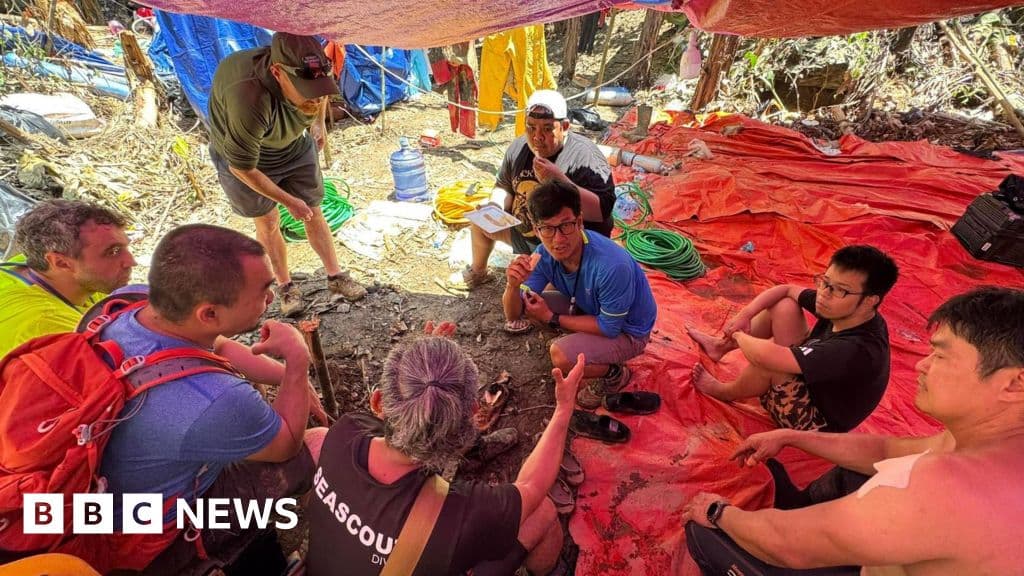
Laos Cave Survivors Assist in Search for Last Two Missing Men
World
Jun 1, 2026

Laos Cave Survivors Assist in Search for Last Two Missing Men

Survivors of the Laos cave rescue are aiding efforts to find the last two missing men trapped inside, sharing crucial insights for the search operation.

BBC World
Unraveling Grief: One Year After the Air India Crash
World
Jun 1, 2026

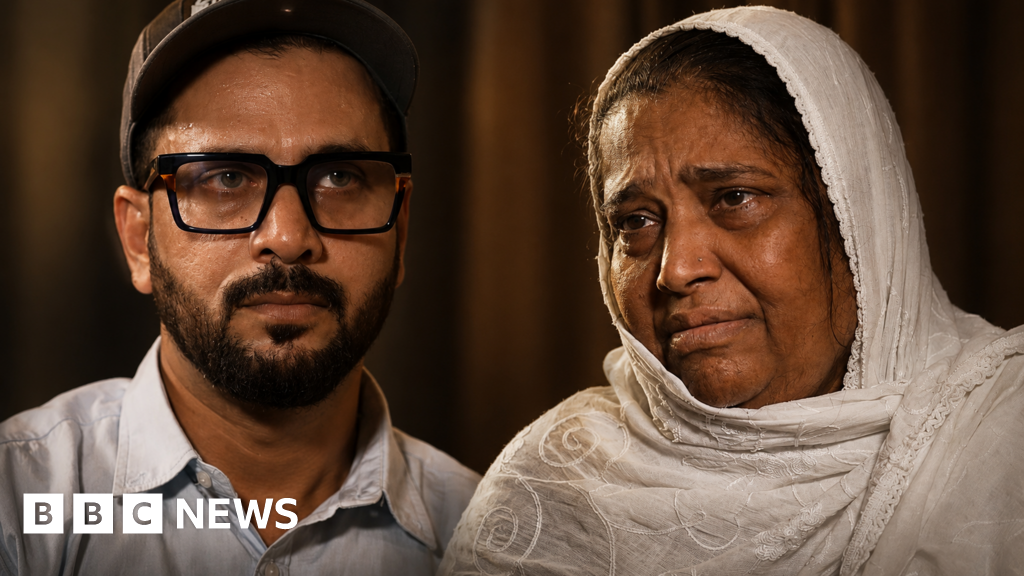
Unraveling Grief: One Year After the Air India Crash

A year after the tragic Air India crash, the Ali family reflects on grief, unanswered questions, and the enduring bonds of love in the face of loss.

BBC Business
Tragic Explosion Claims 55 Lives in Myanmar Village
World
Jun 1, 2026

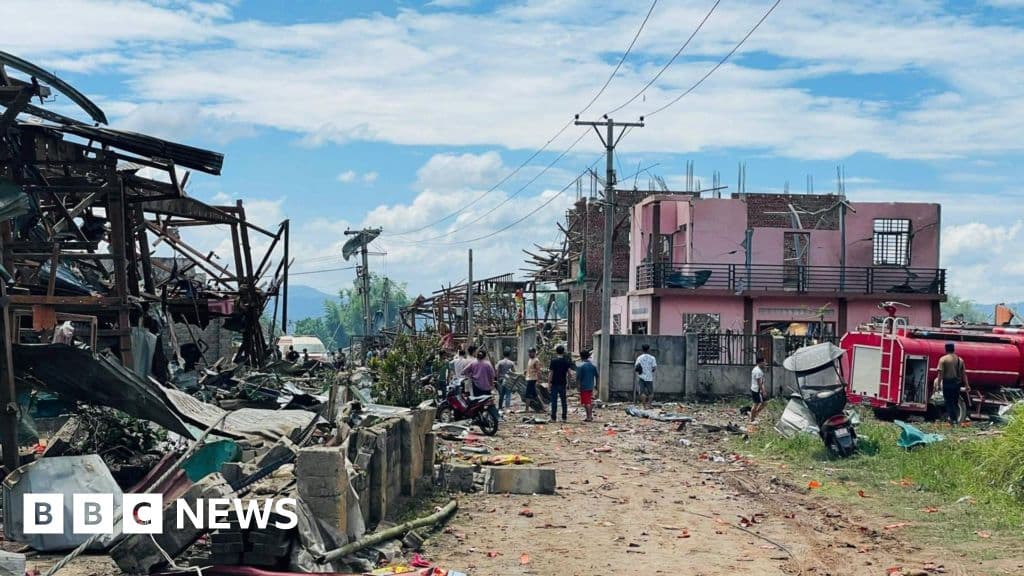
Tragic Explosion Claims 55 Lives in Myanmar Village

A devastating explosion in Myanmar's Kaung Tat village has killed at least 55 people, raising serious safety concerns and questions about civilian protection in conflict zones.

BBC World

Categories

  • World
  • Technology
  • Business
  • Sports

More

  • Entertainment
  • Science
  • Health
  • Politics

Explore

  • Web Stories
  • About Us
  • Contact

Legal

  • Privacy Policy
  • Terms of Service
  • Disclaimer

© 2026 Glipzo. All rights reserved.