
Image: Mint (Business)
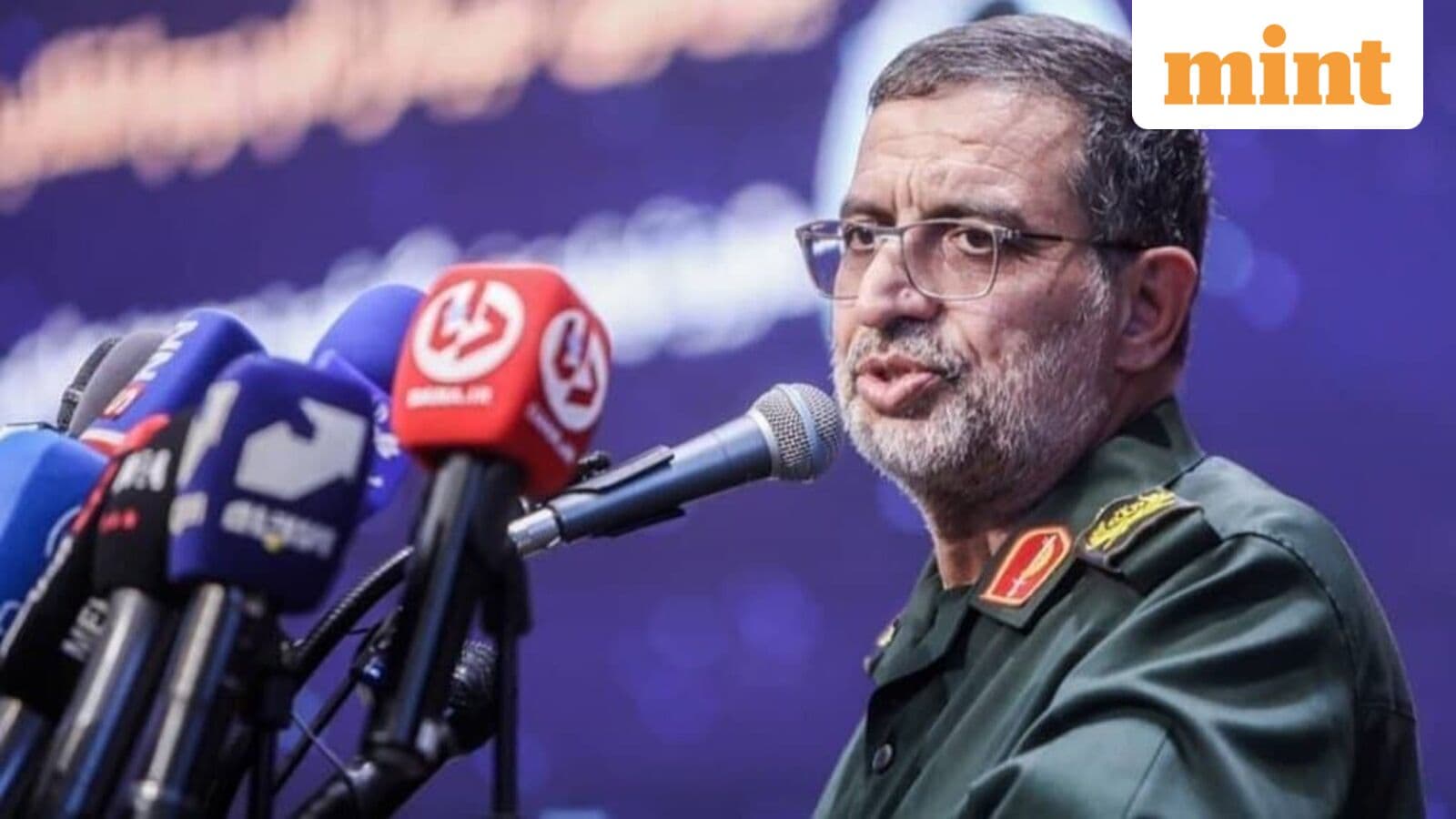
Iranian IRGC spokesman Ali Mohammad Naini was killed in US-Israeli airstrikes, intensifying conflict and posing serious global economic implications.
GlipzoIn a shocking escalation of hostilities, Ali Mohammad Naini, a prominent spokesperson for Iran’s Islamic Revolutionary Guard Corps (IRGC), was killed in airstrikes on Friday. This attack, attributed to the ongoing conflict between the U.S. and Israel regarding Iran, marks another significant loss for Tehran. Naini's outspoken support for Iran's missile program—he claimed it "deserves a perfect score"—came just hours before his death, highlighting the intensity of the current situation.
Naini was reportedly “martyred in the criminal cowardly terrorist attack by the American-Zionist side at dawn,” as stated by the IRGC on their Sepah News platform. His assassination is seen not only as a blow to Iran's military leadership but also a clear indication of the escalating tensions in the region.
At 69 years old, Naini held the rank of second brigadier general and served as the spokesperson for the IRGC since 2024, succeeding Brigadier General Ramazan Sharif. Naini’s military career spanned over 40 years, during which he participated in the Iran-Iraq War and held several pivotal roles, including the cultural deputy for the IRGC and the Basij’s cultural and social deputy.
His military insights were underscored by recent comments where he expressed confidence in Iran's missile production capabilities, asserting that even under wartime conditions, the country would not falter in its defense initiatives. These comments came shortly after Israeli Prime Minister Benjamin Netanyahu declared that Iran's ability to enrich uranium and produce ballistic missiles had been effectively neutralized.
Since February 28, a series of U.S.-Israeli airstrikes have targeted Iran’s military leadership, resulting in the deaths of several high-ranking officials, including Supreme Leader Ayatollah Ali Khamenei. Other notable figures lost include: - Ali Larijani, Secretary of the Supreme National Security Council - Esmail Khatib, Iran's Intelligence Minister - Ali Shamkhani, a key adviser to Khamenei - Mohammad Pakpour, an IRGC commander - Gholamreza Soleimani, head of the IRGC’s Basij paramilitary force
These losses have prompted Iran to make bold threats regarding retaliatory measures. Following Naini's assassination, Iran's military spokesperson, Gen. Abolfazl Shekarchi, warned that recreational and tourist sites worldwide would not be safe from Tehran's wrath.
In retaliation, Iran has ramped up its attacks, targeting both Israel and energy facilities in neighboring Gulf states. These assaults coincide with one of the holiest periods in the Muslim calendar, the Nowruz festivities, which this year were overshadowed by violence.
Recently, Iranian forces have demonstrated their capacity to disrupt oil supplies and affect global economic stability. Noteworthy incidents include: - Attacks on Kuwait's Mina Al-Ahmadi oil refinery, causing significant damage and fires. - Drone strikes aimed at Saudi Arabia's eastern oil facilities, which were successfully intercepted. - Fires ignited in Bahrain from shrapnel of intercepted projectiles.
The ongoing conflict and the targeted assassinations of key military figures raise pressing questions about Iran's military capabilities and future strategies. As the situation develops, the extent of damage to Iran's nuclear and military infrastructure remains largely unknown, but the regime's threats indicate a willingness to escalate violence further.
This turbulent period also poses critical implications for the global economy, as rising tensions in the Middle East have already begun to affect oil prices and overall market stability. The potential for further escalations could lead to significant geopolitical ramifications, particularly in the energy sector.
Looking forward, the international community will be closely monitoring Iran's next moves. The possibility of increased military action or retaliatory strikes from Iran is high, especially as they continue to face significant losses among their top officials. Moreover, the prospect of further U.S.-Israeli collaboration to undermine Iran’s military infrastructure suggests that this conflict is far from over.
As global leaders respond to this complex situation, the focus will likely shift to diplomatic avenues to prevent an all-out confrontation. However, with both sides entrenched in their positions, finding common ground may prove to be a formidable challenge.
In summary, the assassination of Ali Mohammad Naini not only represents a pivotal moment for Iran’s military but also underscores the fragile state of regional security, where even a single event can trigger widespread consequences across the globe.
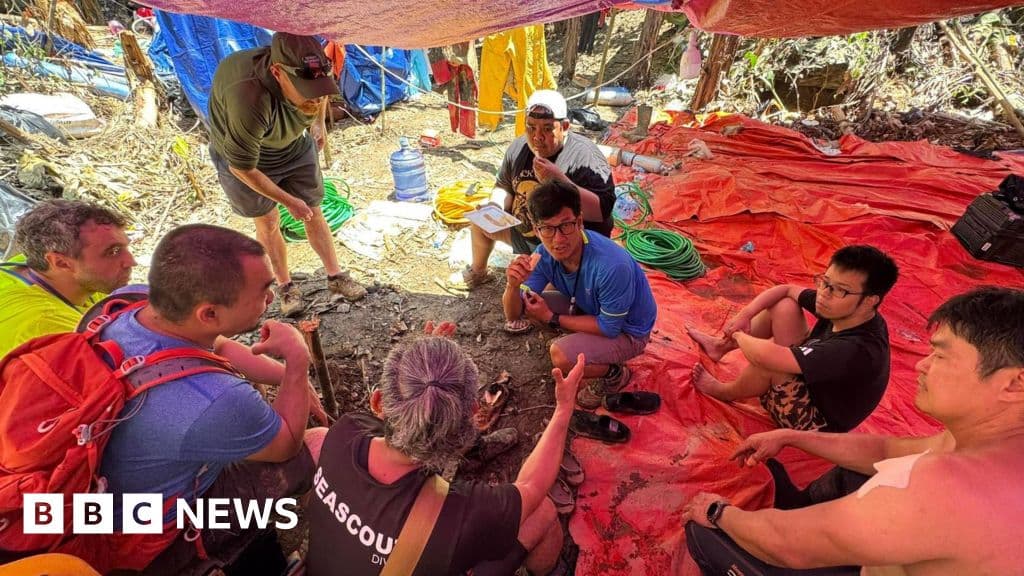
Survivors of the Laos cave rescue are aiding efforts to find the last two missing men trapped inside, sharing crucial insights for the search operation.
BBC World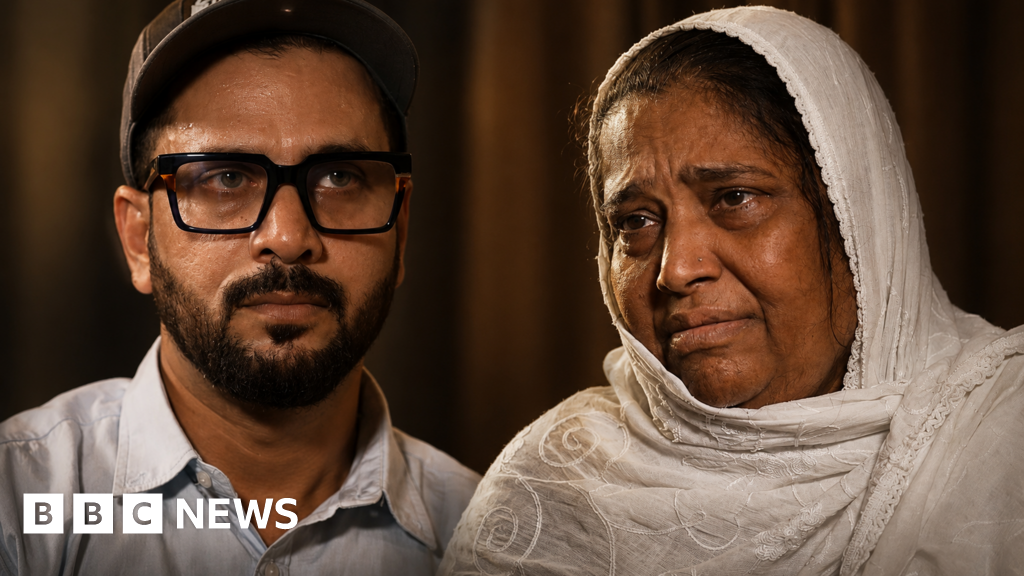
A year after the tragic Air India crash, the Ali family reflects on grief, unanswered questions, and the enduring bonds of love in the face of loss.
BBC Business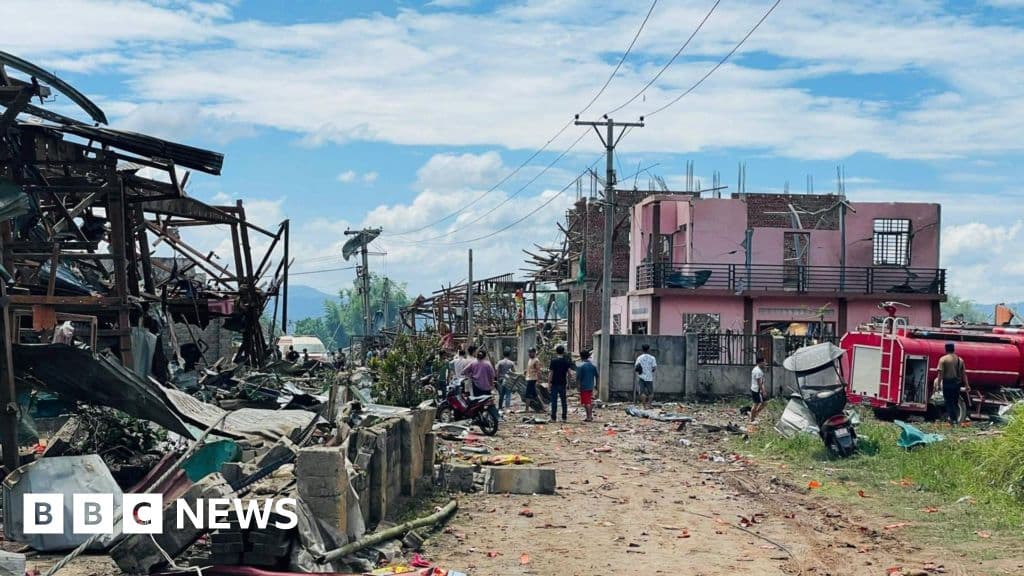
A devastating explosion in Myanmar's Kaung Tat village has killed at least 55 people, raising serious safety concerns and questions about civilian protection in conflict zones.
BBC World