

Image: Mint (Business)
As tensions rise in the US-Israel-Iran conflict, Iran threatens global attacks while the US eases oil sanctions. What’s next for energy security?
GlipzoAs the conflict in the Middle East intensifies three weeks in, Iran has escalated its rhetoric, warning that it may broaden its military actions to include attacks on recreational and tourist locations worldwide. This news comes as the United States reveals plans to bolster its military presence in the region with additional warships and approximately 2,500 Marines. The situation is rapidly evolving, raising global concerns over security and energy stability.
Recent images have starkly illustrated the conflict's toll, showcasing burning ships in Iranian ports and the destruction at American military bases. The escalating violence and disruption in the region are not just local issues; they have significant implications for global energy markets and the world’s reliance on vulnerable fossil fuel routes.
The ongoing hostilities have severely impacted oil exports, particularly through the Strait of Hormuz, a critical waterway responsible for transporting about 20% of the world’s oil and liquefied natural gas (LNG). This disruption has sent shockwaves through energy markets, causing prices to spike and straining economies that depend heavily on oil imports.
Key statistics include: - 20% of global oil transported through the Strait of Hormuz - A significant increase in oil prices due to supply disruptions - Over 2,641 injuries reported in Lebanon as a result of the conflict
In response to the growing crisis, the British government has given the green light for U.S. military operations from U.K. bases aimed at preventing Iranian attacks on shipping in the Strait of Hormuz. This decision highlights the international dimension of the conflict and the global stakes involved.
In a strategic move, the U.S. Department of the Treasury has sanctioned 16 individuals and entities connected to Hezbollah, accusing them of diverting more than $100 million to support the group. This action underscores the intricate web of financial and military support that sustains the conflict and the broader implications for regional stability.
President Trump, while addressing the issue, stated that from a military perspective, Iran is “finished,” yet emphasized that the situation in the Strait of Hormuz remains precarious. He suggested that maintaining open shipping lanes would require a coordinated effort from countries reliant on this critical route.
Adding to the tension, Iran's top military spokesperson, Gen. Abolfazl Shekarchi, has issued stark warnings that parks, recreational areas, and tourist destinations across the globe could be targeted, signaling a potential shift towards using militant tactics beyond the Middle East. This raises alarm about the possible repercussions for international security and the safety of civilians worldwide.
The Israeli Defense Forces (IDF) have also reported intercepting Iranian missiles aimed at Israel, indicating that the conflict could escalate further. The IDF confirmed the missile launches via its official Telegram account, highlighting the immediate military threats that persist.
The implications of this conflict extend far beyond the immediate region. As military tensions rise, global oil supply chains face significant risks, which could lead to increased costs for consumers and businesses alike. The situation compels a reevaluation of energy policies and a push for faster transitions to renewable energy sources.
With the U.S. administration lifting sanctions on Iranian oil temporarily to address rising prices, the dynamics of energy markets are shifting. The one-month license allows for the sale of oil that had been stranded at sea, potentially stabilizing prices in the short term but complicating long-term diplomatic relations.
As we move forward, several critical developments warrant close attention: - The effectiveness of U.S. military operations in stabilizing the Strait of Hormuz - Iran's potential escalation of threats to global locations - The impact of renewed oil sales on international energy markets - The ongoing humanitarian situation in Lebanon and surrounding areas
In summary, the unfolding crisis is a pivotal moment for global energy security and international relations. As countries navigate this turbulent landscape, the need for diplomatic solutions becomes increasingly urgent. The world is watching closely, as the next steps taken by Iran, the U.S., and their allies will likely shape the geopolitical landscape for years to come.
Mausam Jha, a dedicated journalist focused on world affairs, continues to provide clear and insightful reporting on these significant developments. Her work emphasizes the local impacts of global events and the interconnected nature of today's crises.
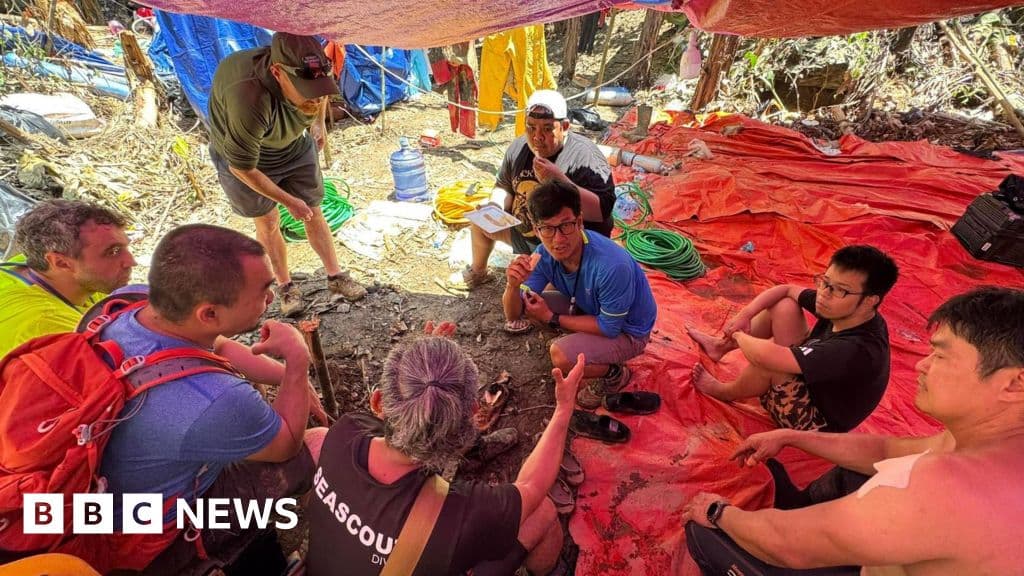
Survivors of the Laos cave rescue are aiding efforts to find the last two missing men trapped inside, sharing crucial insights for the search operation.
BBC World
A year after the tragic Air India crash, the Ali family reflects on grief, unanswered questions, and the enduring bonds of love in the face of loss.
BBC Business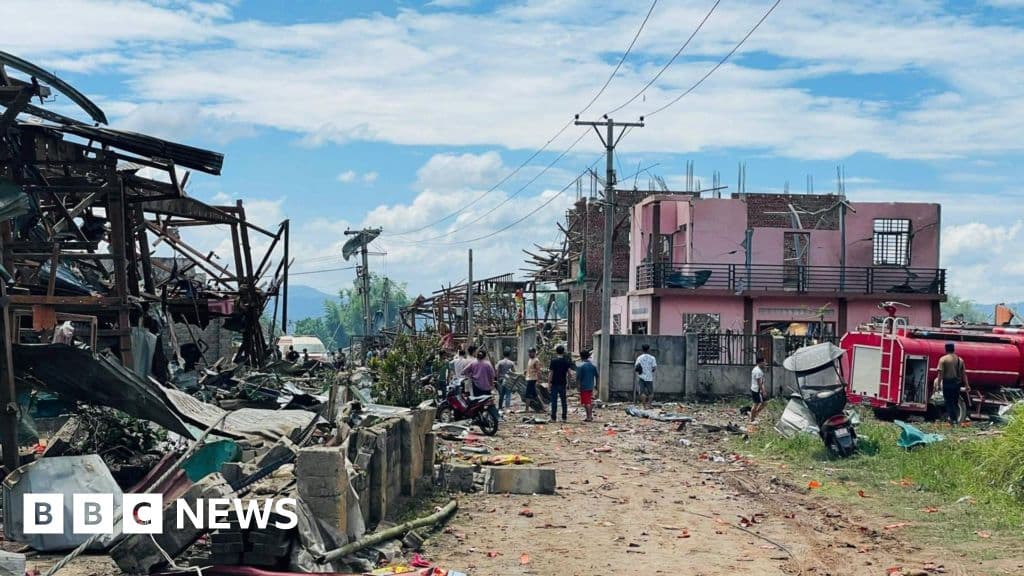
A devastating explosion in Myanmar's Kaung Tat village has killed at least 55 people, raising serious safety concerns and questions about civilian protection in conflict zones.
BBC World