
Image: Mint (Business)
IDF claims the killing of Basij commander Gholamreza Soleimani marks a significant escalation in the US-Iran conflict. What are the implications?
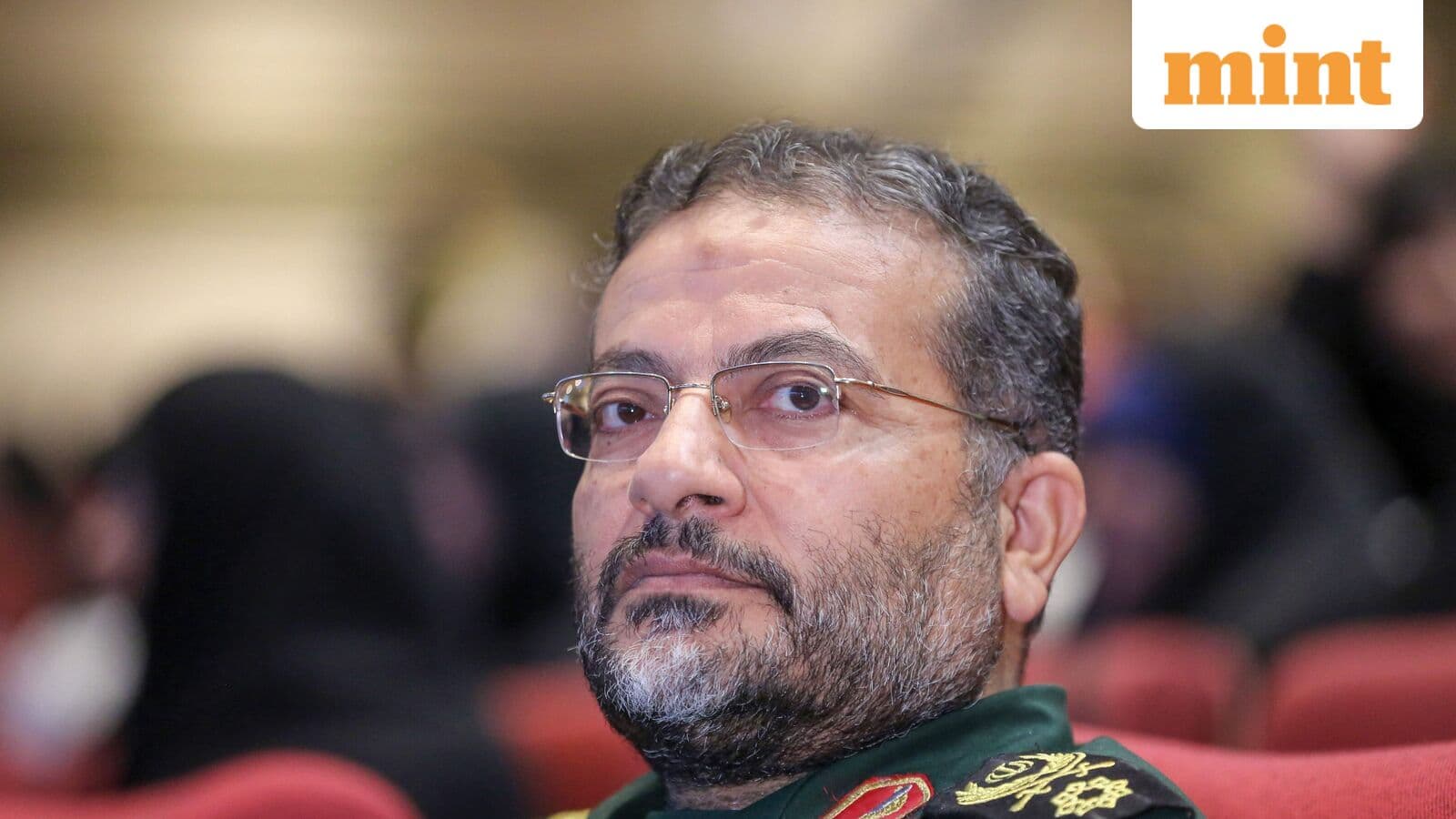
GlipzoIn a significant escalation of tensions in the Middle East, the Israeli Defense Forces (IDF) announced on Tuesday that they have killed Gholamreza Soleimani, the commander of Iran's Basij unit, a paramilitary force under the Islamic Revolutionary Guard Corps (IRGC). This action, reported through a post on X, marks a pivotal moment in the ongoing conflict between Israel and Iran, raising questions about the future stability of the region.
The IDF's statement detailed that Soleimani had led the Basij for the past six years, during which time the unit was heavily involved in violent crackdowns on civilian dissent, including severe actions against demonstrators during periods of unrest. The post emphasized, "COMMANDER OF THE BASIJ UNIT ELIMINATED. Under Soleimani, the Basij unit led the main repression operations in Iran." The lack of a response from Iranian officials following this announcement adds to the uncertainty surrounding the implications of his death.
Established after the 1979 Iranian Revolution, the Basij has played a crucial role in maintaining internal security across the country. It operates as a volunteer paramilitary force, mobilizing local branches to enforce governmental policies and suppress dissent. The Basij has been notorious for its involvement in various protests, including the deadly anti-government demonstrations in January and the widespread protests following the 2009 presidential election, which many claimed was marred by fraud.
Gholamreza Soleimani, born in 1965, has faced sanctions from the United States, the European Union, and other nations due to his role in these repressive measures. His leadership has often been associated with significant violence and widespread arrests during civil unrest, making him a pivotal figure in Iran's efforts to control dissent.
In addition to Soleimani's death, Israeli Defense Minister Israel Katz announced that Ali Larijani, a prominent Iranian political figure and secretary of the Supreme National Security Council, was also reportedly killed. Larijani, who previously served as the parliamentary speaker and was a key strategist in Iran’s nuclear negotiations, was seen as one of the most influential leaders in Iran after Ayatollah Ali Khamenei. His potential death, alongside Soleimani's, could have far-reaching consequences for Iran's political landscape.
According to reports, Larijani had been sanctioned by the U.S. Treasury earlier this year for his involvement in coordinating the government's violent response to protests. His family is among Iran's most distinguished political dynasties, making his loss particularly significant for the regime.
The killings of Soleimani and Larijani could signify a dangerous escalation in the ongoing conflict between Israel and Iran. Following a series of military strikes by the U.S. and Israel against Iranian naval and military assets, the region has witnessed a surge in hostilities. These developments came shortly after the conclusion of nuclear talks between Washington and Tehran, suggesting a breakdown in diplomatic efforts and a shift towards military confrontation.
Iran has retaliated by targeting U.S. military installations in the Gulf, and on Tuesday, it attacked a tanker off the coast of Fujairah. This incident marks one of several assaults on vessels in the region since the conflict intensified, raising fears of a broader military engagement.
The ongoing confrontation has serious implications for global energy stability. The Strait of Hormuz, a crucial waterway through which approximately 20% of the world's oil supply passes, remains under Iran's tight control. With Iran's increased military actions against Gulf nations and shipping routes, concerns over a potential global energy crisis are mounting.
As the U.S. and Israel continue their military efforts, the situation remains fluid, with each development capable of significantly altering the geopolitical landscape. The international community watches closely as the ramifications of these killings unfold, potentially leading to further escalations.
The deaths of Gholamreza Soleimani and Ali Larijani could lead to a power vacuum within Iran's leadership, especially as the Islamic Republic faces unprecedented challenges. As it grapples with both internal dissent and external military pressures, Iran’s response in the coming days will be critical.
Key questions loom regarding who will step into these leadership roles and how Iran's government will adjust its strategy in light of these losses. The international community must remain vigilant, as the potential for increased conflict in the region grows with each passing day. The next moves by both Iran and Israel will be crucial in determining the future of Middle Eastern stability and global security.
In conclusion, the recent killings mark a watershed moment in the ongoing U.S.-Iran conflict, impacting not only regional stability but also international relations and energy markets worldwide. As tensions continue to rise, the world holds its breath, waiting to see how these events will unfold and what they mean for the future of the Middle East.

Tensions soar as the US and Iran engage in air strikes near the Strait of Hormuz, raising concerns over global oil supply and regional stability.
BBC World
Trump's international interventions face serious stalemates. What will this mean for U.S. foreign policy? Explore the critical challenges ahead.
Indian Express
Tehran denies resignation of President Masoud Pezeshkian amid claims of IRGC influence. What does this mean for Iran's political stability? Click to learn more!
Indian Express