
Image: BBC World
Ghana repatriates 800 citizens from South Africa amid rising anti-immigrant protests, raising concerns over safety and xenophobia.
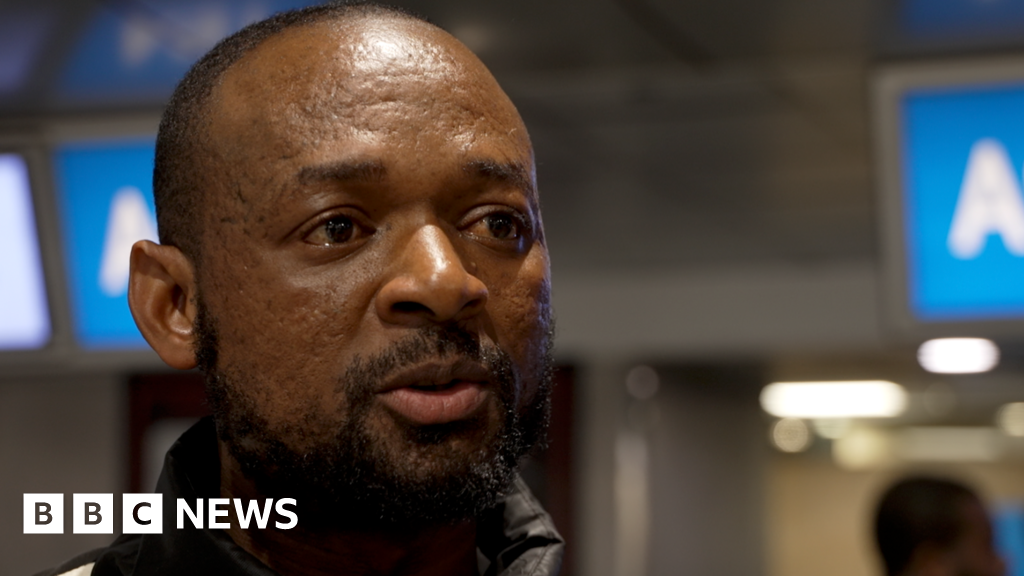
GlipzoIn a significant development, Ghanaian authorities are repatriating their first group of 800 citizens from South Africa due to escalating anti-immigrant protests. The operation commenced early on Wednesday, [insert date], with buses transporting Ghanaians to OR Tambo International Airport in Johannesburg.
At approximately 03:00 local time (01:00 GMT), dozens of buses organized by the Ghanaian embassy arrived at the airport, where passengers of all ages, including men, women, and children, prepared to board flights back to their homeland. A smaller contingent was escorted separately in a police van, underlining the tense atmosphere surrounding the repatriation.
This move comes in the wake of a recent surge in anti-immigrant sentiment across several South African cities, sparking fears of potential xenophobic violence. Many Ghanaians in South Africa have expressed concern over their safety and the impact of these protests on their livelihoods.
The protests against illegal immigration, spearheaded by a group calling itself March and March, have gained traction in recent weeks. Demonstrators argue that illegal migrants are straining South Africa's public resources and demand that the government take stronger action to address the issue. They have set a 30 June deadline for undocumented immigrants to leave the country, raising alarms among the expatriate community.
Rudolph, a Ghanaian salon owner who has resided in South Africa for a decade, shared his sentiments regarding the protests, stating, "It's not comfortable for us to stay here anymore, so we have to go. I think we will find peace at home." His comments reflect a growing anxiety among Ghanaians, as many fear that the recent unrest could escalate into violence similar to past incidents.
Ghana's High Commissioner to South Africa, Benjamin Quashie, emphasized the government’s commitment to protecting its citizens abroad. He stated, "The Ghanaian government listened to the plight of its citizens in South Africa, who felt that their lives were in danger... it is the responsibility of every government to ensure that its citizens are taken care of both home and abroad."
Following the initial repatriation of 300 individuals, the remaining registered Ghanaians are undergoing screening for future flights. Quashie assured that the government has a reintegration strategy in place for those returning, aiming to support them in resuming their previous business activities in Ghana.
The backdrop of these protests is not new; South Africa has a history of violent anti-immigrant sentiment, with tragic incidents recorded in 2008 and 2019, where dozens lost their lives in xenophobic attacks. Analysts suggest that the resurgence of these attitudes may be politically motivated, particularly with local elections approaching in November.
While the protest organizers maintain that their demonstrations have been peaceful, there is a palpable tension in the air. Rudolph articulated a fear that the protests could spiral out of control, leading to chaos. "The protests started in Durban, and they've escalated to other provinces. So definitely something bad could happen," he warned. His stance underscores the precarious situation for many immigrants in the country.
The repatriation of Ghanaians from South Africa serves as a critical reminder of the human impact of immigration policies and social unrest. It highlights the delicate balance that governments must maintain in addressing illegal immigration while ensuring the safety and well-being of their citizens abroad.
For Ghanaian nationals, the repatriation signifies both a return to safety and a significant disruption to their lives and livelihoods. The situation also raises questions about the South African government’s ability to manage rising anti-immigrant sentiments and the potential consequences for foreign nationals living in the country.
As South Africa grapples with these challenges, observers will be closely watching how the government addresses the underlying issues of immigration and how it manages public sentiment leading up to the local elections. The outcomes of these events could have lasting implications for both immigrants and the broader societal landscape in South Africa.
As the situation evolves, several key factors will be crucial to watch: - Continued Protests: Will the demonstrations escalate or remain peaceful in the coming weeks? - Government Response: How will the South African government address both illegal immigration and public safety concerns? - Reintegration Support: What measures will Ghana implement to assist returning citizens in rebuilding their lives? - Political Climate: How will the upcoming local elections influence attitudes toward immigration and foreign nationals?
The unfolding scenario in South Africa serves as a poignant reminder of the complex interplay between migration, politics, and social stability. As more Ghanaians return home and the political landscape shifts, the world will be watching closely to see how these dynamics play out.
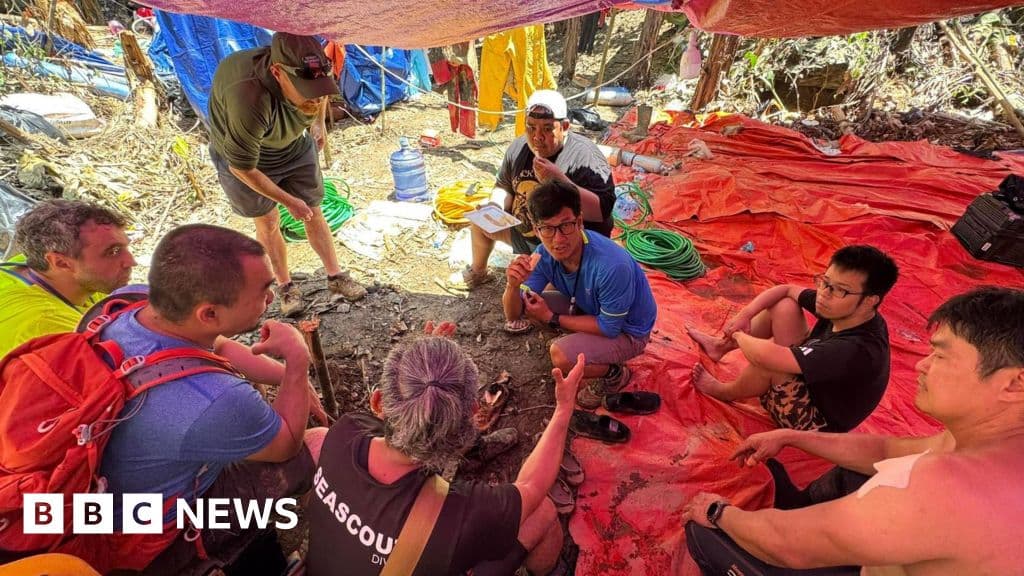
Survivors of the Laos cave rescue are aiding efforts to find the last two missing men trapped inside, sharing crucial insights for the search operation.
BBC World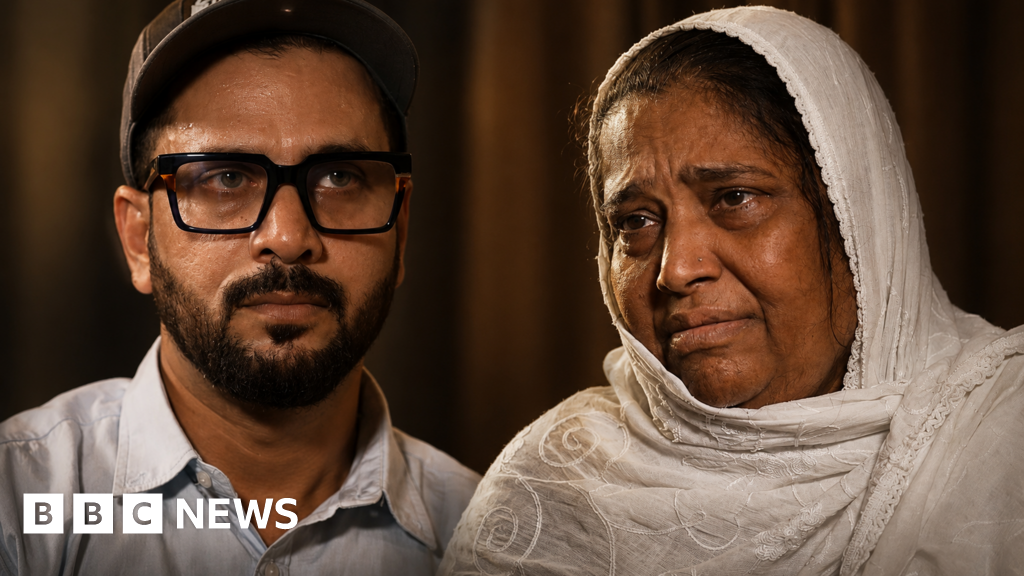
A year after the tragic Air India crash, the Ali family reflects on grief, unanswered questions, and the enduring bonds of love in the face of loss.
BBC Business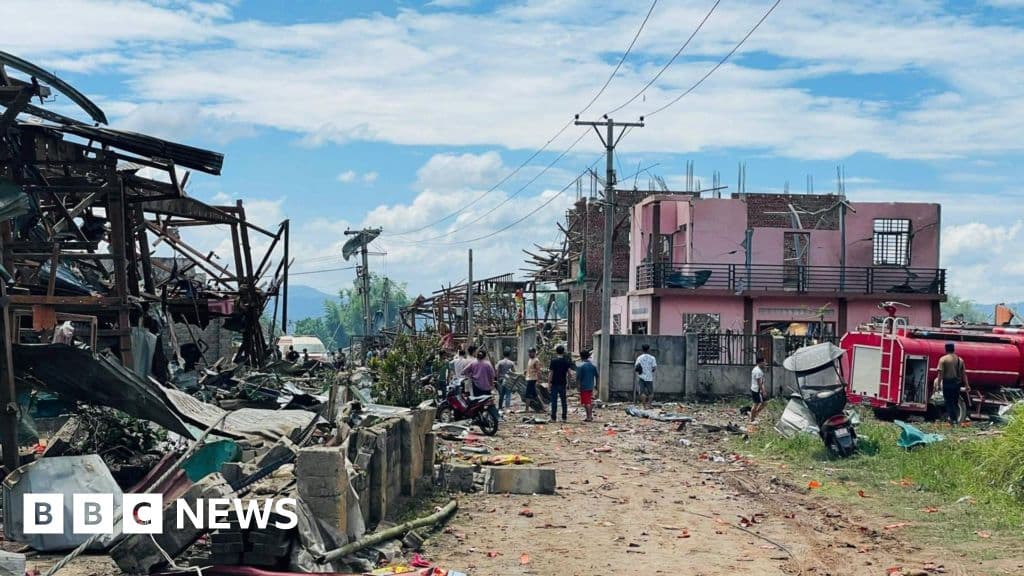
A devastating explosion in Myanmar's Kaung Tat village has killed at least 55 people, raising serious safety concerns and questions about civilian protection in conflict zones.
BBC World