

Image: Ars Technica
Germany's court bans TCL from QLED branding, raising pressure on TV brands for honest marketing. Discover the implications for the industry and consumers.
GlipzoIn a landmark ruling, TCL, a leading player in the television market, has been prohibited from labeling certain models as QLED (Quantum Dot Light Emitting Diode) in Germany. The Munich court determined that these televisions do not possess the quantum dot structure or performance that consumers expect from QLED technology. This significant decision has ignited discussions about the integrity of marketing practices within the television industry.
This ruling is particularly critical as it heightens scrutiny not only on TCL but also on other television brands that may be using similar marketing tactics. Samsung, a key rival, has been vocally opposed to TCL's use of the QLED designation. Just a year prior, Samsung shared findings from Intertek—a prominent testing and certification firm—indicating that TCL's models, including the 65Q651G, 65Q681G, and 75Q651G, contained insufficient levels of cadmium and indium. These elements are essential in the construction of true QLED TVs.
In the testing performed by Intertek, TCL's televisions were scrutinized under strict detection standards, revealing that they fell short of the necessary quantities of these critical compounds. A TCL representative had previously claimed that the company had “definitive substantiation” for its QLED branding; however, the court’s ruling casts doubt on those assertions.
Experts and analyses of TCL TVs have indicated that while some quantum dots may be present, they are not utilized in significant amounts that would enhance the color performance beyond that of non-QD rivals. In fact, many budget models marketed as QD TVs often rely primarily on phosphors, which are less expensive than quantum dots and offer inferior color reproduction capabilities.
Samsung's aggressive stance against TCL's QLED marketing is not without reason. The two companies are entrenched in a fierce battle for market share, especially in the mid-range and high-end television segments. Samsung has accused TCL of overstating its technological capabilities to justify premium pricing, a concern echoed by the German court's findings.
The court concluded that the quantum dot structures employed in TCL's disputed models do not deliver the enhanced color reproduction that consumers expect from true QLED devices. This ruling is a pivotal moment that could influence consumer perceptions and purchasing decisions in both Europe and the United States.
As TCL grapples with the fallout from this ruling, it is also facing similar lawsuits in the United States regarding its QLED branding. These lawsuits are seeking class-action status and could reshape how consumers view TCL's claims about its QD technology. The German court's decision may bolster these legal efforts, potentially leading to significant changes in how these brands market their products.
The ruling represents not just a setback for TCL but also a clarion call for all manufacturers to reevaluate their marketing strategies. Consumers should feel confident that the products they invest in deliver on the promises made by manufacturers, and this ruling reinforces the expectation that brands must adhere to these standards.
As the landscape of the television market continues to evolve, the implications of this ruling extend beyond TCL. It serves as a reminder to all companies about the importance of maintaining ethical marketing practices. What happens next? The outcome of the ongoing U.S. lawsuits will be crucial in determining whether more regulations will be implemented in the industry. As consumers, we should keep a close watch on how these developments unfold and advocate for transparency in all our tech purchases.
In conclusion, the recent German court ruling against TCL is a watershed moment that could redefine the standards of honesty in tech marketing, prompting consumers to demand clarity and integrity from their favorite brands.
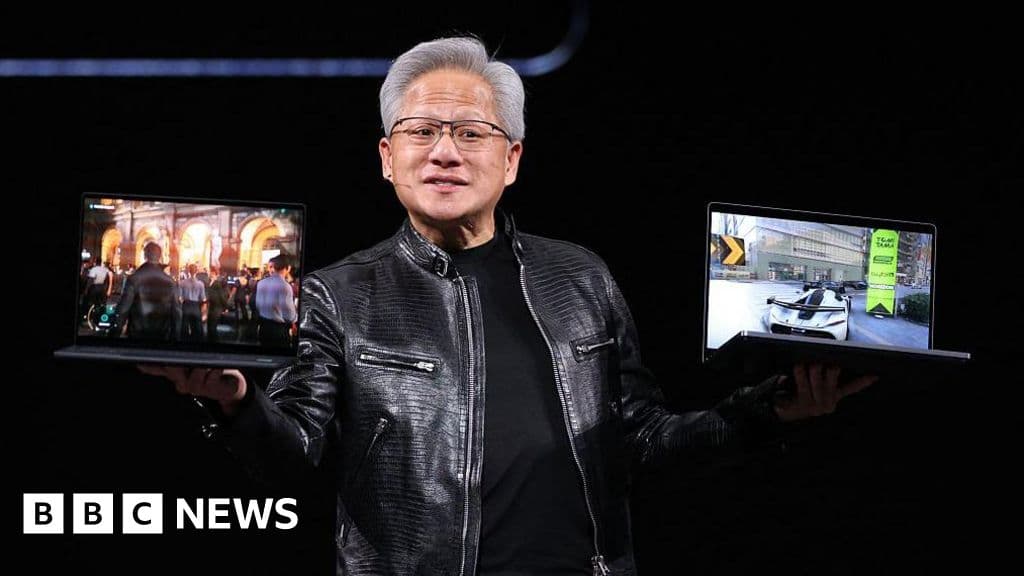
Nvidia's new RTX Spark chip aims to transform personal computing with AI, marking a significant shift in technology. Discover what this means for consumers.
BBC Business
The explosion of Blue Origin's New Glenn rocket raises significant concerns over NASA's lunar ambitions and the future of Amazon's satellite projects. Discover the implications.
BBC Science
Discover how Meta's lack of engagement on user bans raises critical concerns about accountability and transparency in social media governance.
BBC Technology