
Image: Mint (Business)
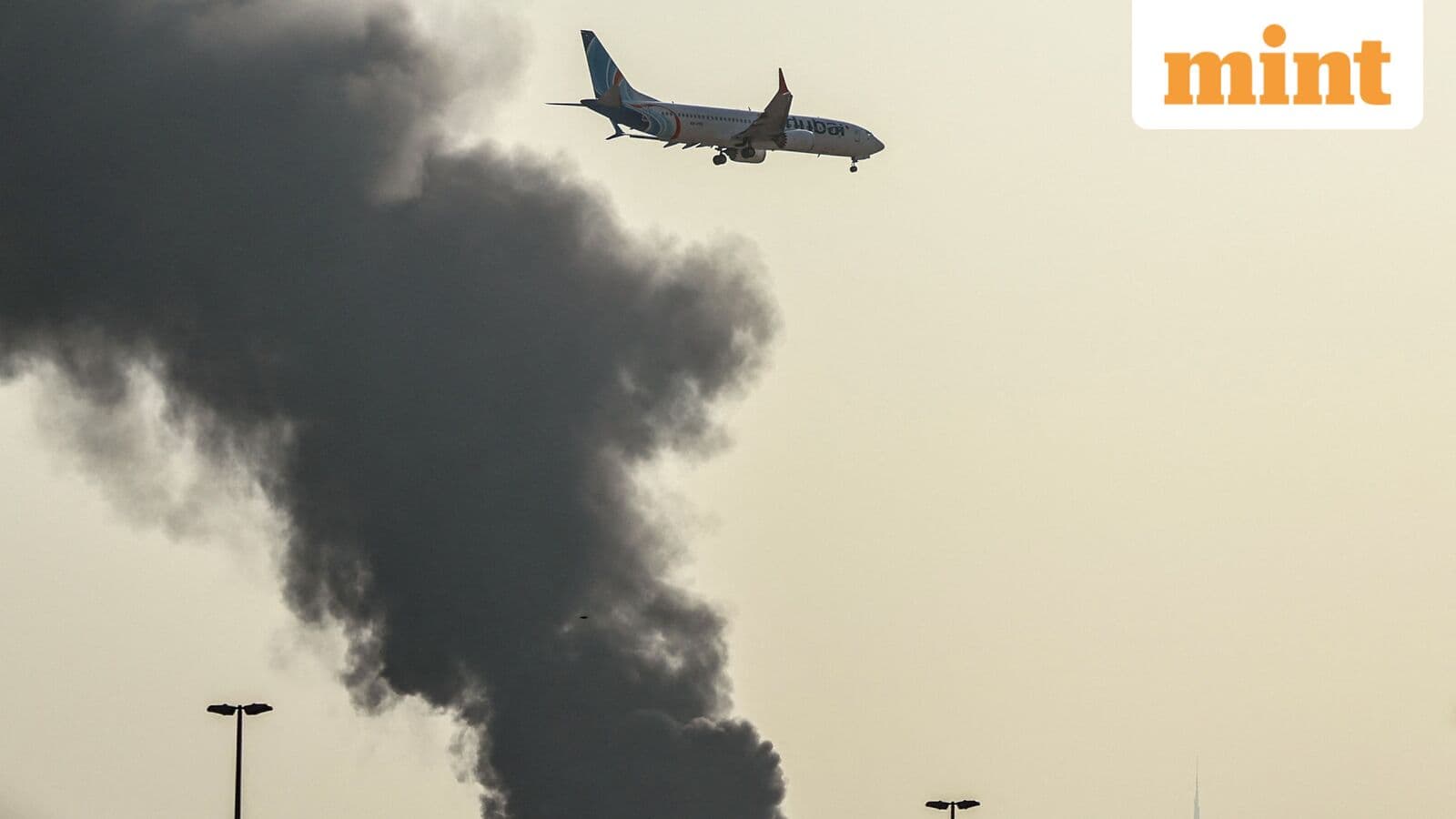
Dubai Airport has suspended all flight landings amid escalating US-Israel and Iran tensions. What does this mean for travelers? Click to learn more.
GlipzoIn a significant move on Monday, Dubai International Airport announced the suspension of landing permissions for flights destined for DXB, as reported by IndiGo in a travel update posted on X. This decision comes in the wake of escalating tensions linked to the ongoing US-Israel and Iran conflict, which has prompted military actions that have disrupted normal airport operations.
The disruptions were exacerbated by missile and drone strikes that targeted various locations within the United Arab Emirates (UAE), including a serious incident that ignited a fire at a major oil facility. Tragically, a Palestinian civilian lost their life when a missile struck a vehicle on the outskirts of Abu Dhabi, as confirmed by the UAE's state media.
In light of these developments, IndiGo urged its customers traveling to or from Dubai to verify their flight statuses via their official website. They stated, “Customers travelling to/from Dubai are requested to check their flight status at [IndiGo flight status](http://bit.ly/31paVKQ) for real-time updates before leaving for the airport. We are also sending notifications to keep customers informed of the latest updates. We continue to monitor the developments closely and appreciate our customers’ patience and understanding during this challenging time.”
This situation reflects a broader trend of increasing aggression in the region, particularly as Iran has consistently targeted infrastructure in the UAE. Such military actions have impacted not only commercial aviation but also the crucial energy sector on both sides of the Strait of Hormuz, an essential passage for global oil transport. The escalating conflict has intensified economic pressures on the UAE, a nation historically known for its stability and hospitality, making it a pivotal hub for international travel and commerce.
In addition to the strikes in Abu Dhabi, the usually tranquil emirate of Umm Al Quwain was also affected, with a drone targeting a structure, although no injuries were reported. This incident marks a worrying trend as the UAE grapples with security threats that were previously considered low risk.
The recent wave of attacks comes on the heels of remarks made by Iran's Foreign Minister Abbas Araghchi, who alleged that US military bases in the Middle East were complicit in attacks against Iranian interests. He claimed that missiles had been launched from the UAE towards Kharg Island, a significant site for Iran's oil exports. UAE officials, however, have dismissed these allegations.
In the eastern emirate of Fujairah, a drone strike targeted oil infrastructure, leading to another fire incident. This comes shortly after a major blaze at an Emirati energy facility, raising alarms about the safety and security of vital energy resources in the region.
Due to these persistent threats, the UAE's state-owned oil company, Adnoc, has suspended crude loading operations at its Fujairah facility. An AFP source confirmed, "Adnoc oil loading at Fujairah is suspended," indicating the severe impact of the instability on the UAE's crucial oil production and distribution capabilities.
Since the onset of the conflict, the UAE has reported a total of seven fatalities, including five civilians and two armed forces members who died in a helicopter crash attributed to technical failures. This tragic loss underscores the human cost of the conflict as it continues to unfold.
Earlier reports from Dubai Airports indicated that operations were on a path to normalcy following a nearby fuel tank fire that had been contained. Fortunately, no injuries were linked to this incident, and officials expressed optimism about resuming regular flight schedules soon.
However, the current geopolitical climate remains volatile, and the situation in the UAE continues to evolve. Observers are keenly watching how these developments will influence international travel and the broader economic landscape in the region.
Why It Matters: The disruptions at Dubai International Airport not only affect passengers but also signify a shift in the stability of a region that plays a vital role in global energy supplies and international trade. The ongoing tension could lead to long-term changes in travel patterns and economic activity in the UAE, historically one of the safest havens in the Middle East.
As the situation progresses, travelers, businesses, and governments will need to remain vigilant, adapting to the ongoing changes and potential ramifications of this conflict. The international community is likely to watch closely for further escalations or resolutions that may reshape the landscape of Middle Eastern geopolitics and commerce.
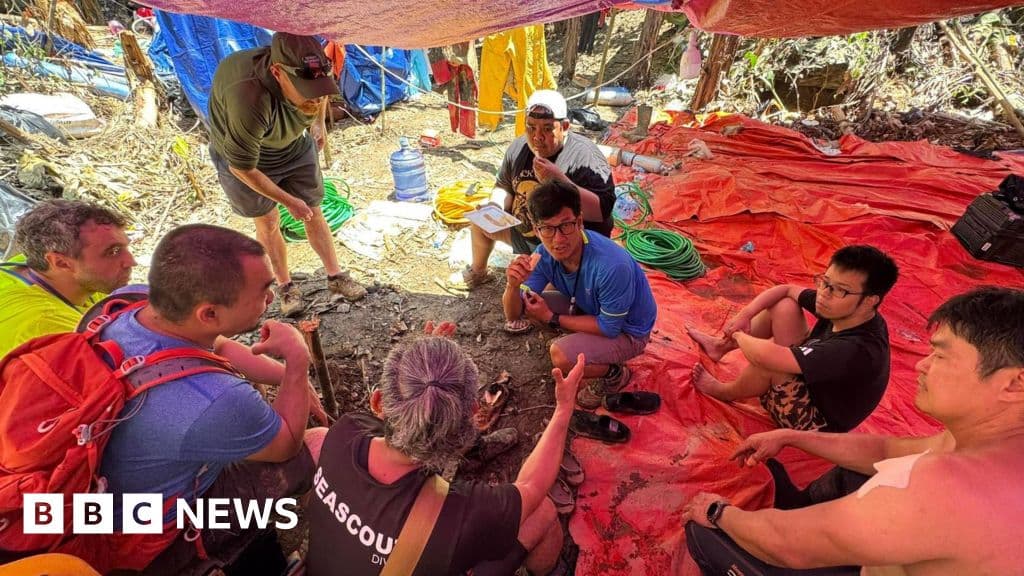
Survivors of the Laos cave rescue are aiding efforts to find the last two missing men trapped inside, sharing crucial insights for the search operation.
BBC World
A year after the tragic Air India crash, the Ali family reflects on grief, unanswered questions, and the enduring bonds of love in the face of loss.
BBC Business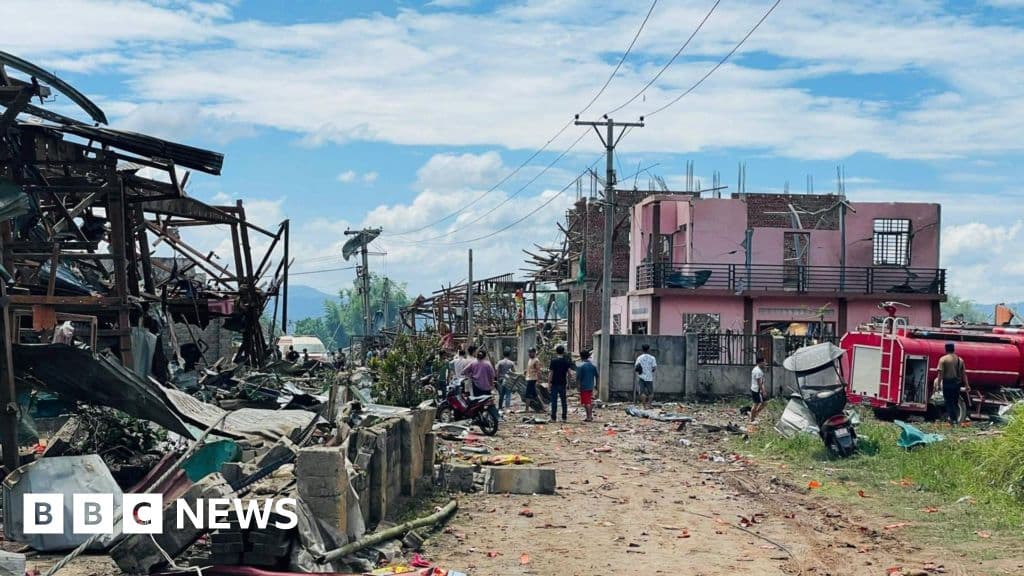
A devastating explosion in Myanmar's Kaung Tat village has killed at least 55 people, raising serious safety concerns and questions about civilian protection in conflict zones.
BBC World