

Image: Times of India
The aviation industry faces a shocking $50 billion loss due to the Iran conflict, marking the biggest downturn since COVID. What’s next for airlines?
GlipzoIn a shocking turn of events, the global aviation industry is grappling with a staggering $50 billion loss due to the ongoing conflict in Iran. This marks the most significant financial downturn for airlines since the devastating impact of the COVID-19 pandemic. The turmoil has resulted in a dramatic drop in air travel demand, forcing airlines to rethink their strategies and operations.
The conflict, which escalated in early 2023, has not only affected passenger flights but has also disrupted cargo routes essential for global trade. With geopolitical tensions rising, airlines around the world face mounting pressure, leading to a potential reshaping of the aviation landscape.
The aviation sector, already on the road to recovery post-pandemic, has been hit hard by the conflict in Iran. Several factors contribute to this crisis: - Reduction in Travel Demand: The fear of conflict has led many travelers to cancel or postpone their flights, particularly to and from regions near Iran. - Increased Fuel Prices: The war has driven up oil prices, with jet fuel costs soaring, further squeezing airline profits. - Operational Challenges: Airlines are facing difficulties in navigating airspace and ensuring passenger safety, leading to altered flight paths and increased operational costs.
These challenges have forced many airlines to cut routes, lay off staff, and rethink their long-term business models. The impact is felt not just by airlines, but also by the entire travel ecosystem, including airports, hotels, and tourism boards.
Major airlines are already responding to this crisis with various strategies: - American Airlines announced a reduction in international flights, particularly to the Middle East, citing safety concerns. - Delta Air Lines has implemented temporary layoffs in response to decreased demand, impacting thousands of employees. - European carriers are scrambling to adjust their schedules, with many suspending routes to volatile regions.
Despite these efforts, analysts warn that the situation could worsen before it gets better. The longer the conflict persists, the more profound the implications for global air travel and the economy at large.
The ramifications of the airline industry's crisis extend beyond just financial losses. Here’s why this matters: - Global Trade Disruption: The aviation sector is crucial for international trade. Disruption in air cargo can lead to shortages of goods, affecting supply chains worldwide. - Economic Impact: Airlines contribute significantly to national economies. A downturn in air travel can lead to job losses and reduced economic activity in related sectors. - Passenger Confidence: Ongoing conflicts can erode passenger confidence in traveling, which is vital for the industry's recovery.
This crisis not only poses a threat to airlines but also affects businesses reliant on travel and tourism, leading to a broader economic impact.
As the situation unfolds, the aviation industry faces an uncertain future. Here are some key developments to watch: - Potential for Government Aid: Will governments intervene to support struggling airlines as they did during the pandemic? - Long-term Changes: Airlines may seek to diversify routes and develop new safety protocols to adapt to ongoing geopolitical challenges. - Traveler Behavior: How will consumer behavior change in response to ongoing conflicts? Will travelers be more cautious, or will demand return as tensions ease?
In conclusion, while the immediate future looks grim for the aviation sector, the industry's resilience will be tested once again. Stakeholders must adapt quickly to navigate these turbulent waters and emerge stronger on the other side.
The road to recovery will be long, and the evolving situation in Iran will remain a critical factor to monitor as airlines strive to regain their footing in a precarious global environment.
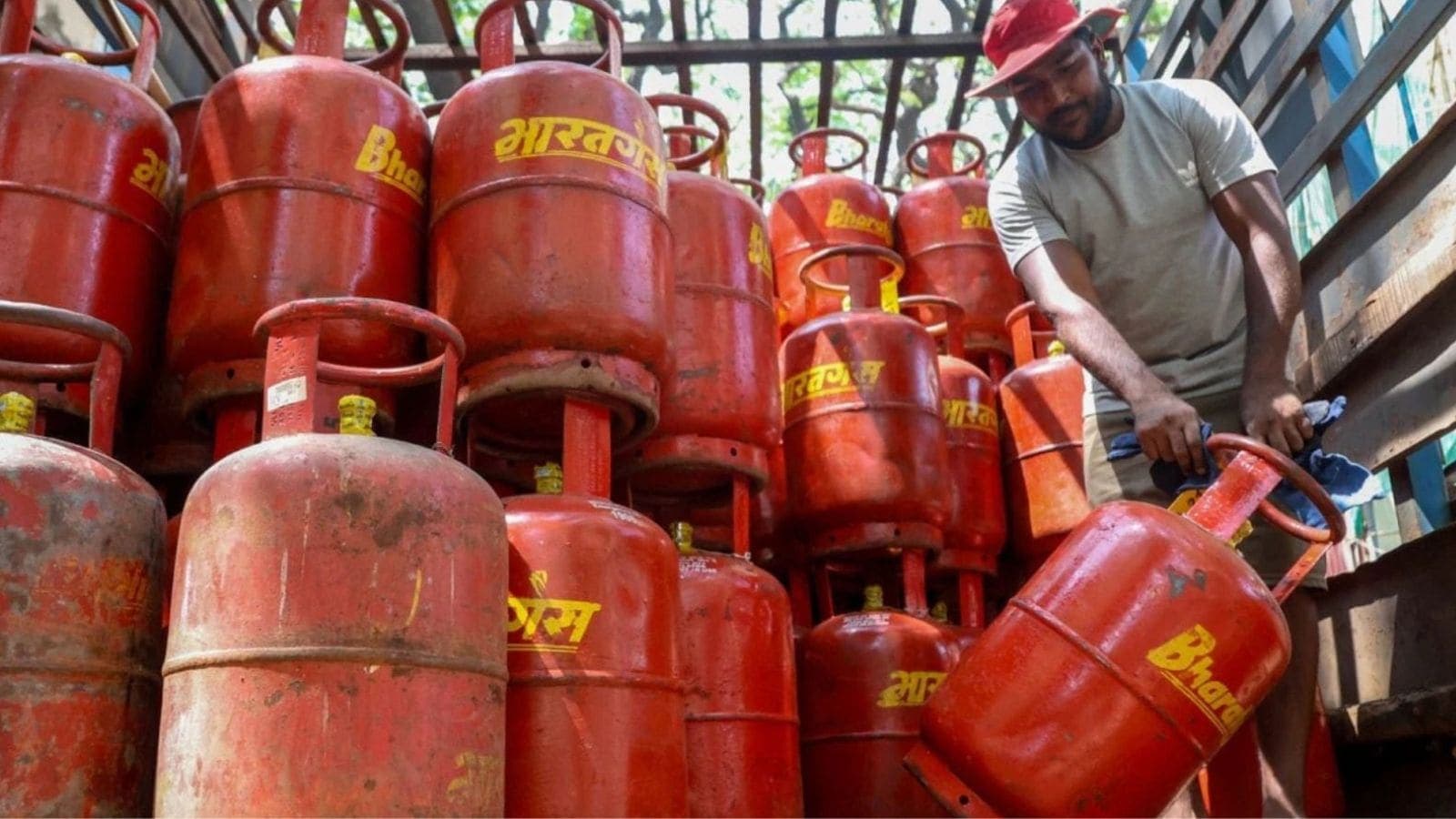
Commercial LPG prices have risen again, with increases of ₹42 in Delhi and ₹53.50 in Kolkata impacting businesses and consumers alike. Find out more.
Indian Express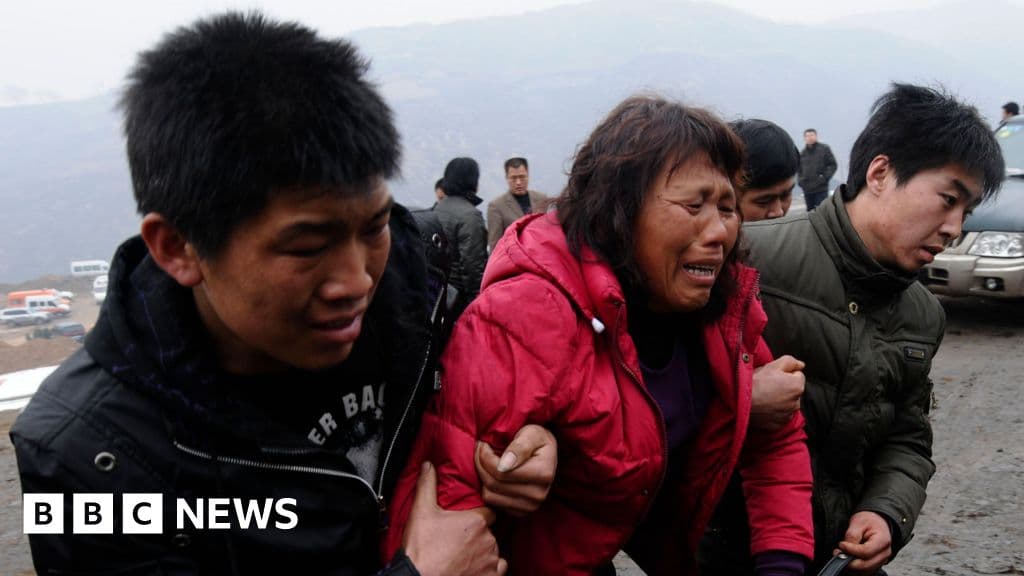
Discover how a tragic coal mine explosion in Shanxi, China, reveals ongoing safety concerns in the industry amidst a push for green energy.
BBC Business
Montek Singh Ahluwalia highlights key economic challenges for India, emphasizing the need for a strategic approach to balance payments and investment.
Indian Express