
Image: BBC World
Hundreds of ABC journalists strike for 24 hours over pay and job security, raising questions about the future of media in Australia. What will happen next?
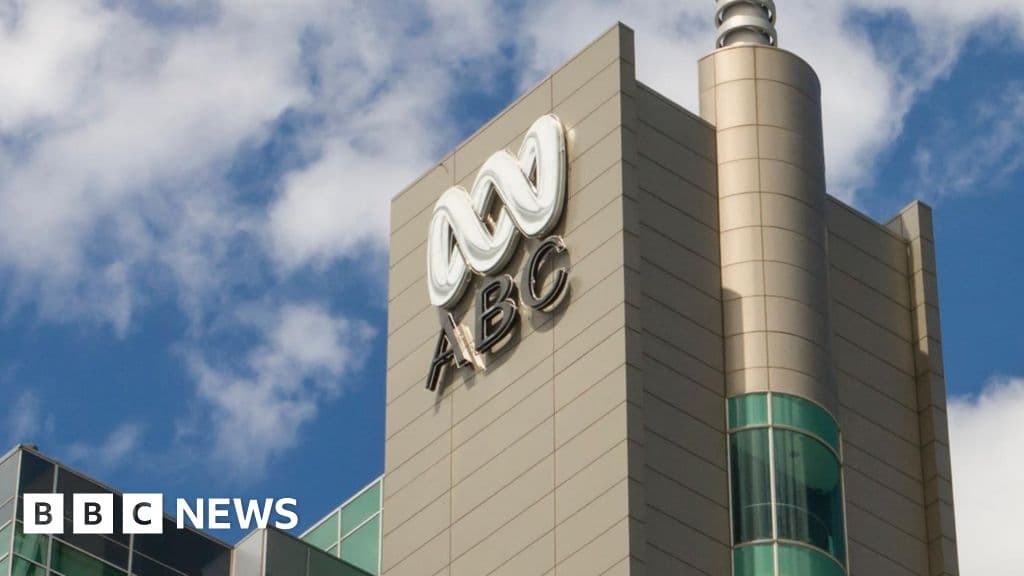
GlipzoOn Wednesday, hundreds of journalists at the Australian Broadcasting Corporation (ABC) staged an unprecedented strike, marking the first such action in two decades. This labor dispute is rooted in concerns over inadequate pay, challenging working conditions, and the potential introduction of artificial intelligence (AI) to replace human roles. The impact of this strike is significant, as it disrupts key programming and raises essential questions about the future of journalism in Australia.
The strike commenced at 11:00 AM local time (00:00 GMT) and will last for 24 hours, with major gatherings expected at ABC's headquarters in Sydney and Melbourne. Striking staff members, dressed in black to symbolize their solidarity, are demanding a fairer pay structure and job security. They have rejected a recent pay offer that was deemed below inflation, leading to widespread discontent among employees.
The decision to strike came after 60% of union members voted against a proposed staggered pay increase of 10% over three years, which included a 3.5% raise in the first year and 3.25% in each of the following two years. This decision coincides with Australia’s annual inflation rate of 3.8% as of January, raising concerns about the adequacy of the offer in the face of rising living costs.
In addition to the pay increase, the ABC management offered a one-time $1,000 bonus for staff, but notably excluded casual workers from this bonus. This move has only fueled further frustration, as employees are also advocating for: - Higher compensation for night shifts - Improved opportunities for career advancement - Reduced reliance on short-term contracts - Clear guidelines on the use of AI technologies
The growing anxiety about AI's potential role in replacing human journalists has intensified the demands for job security. Erin Madeley, the chief executive of the Media, Entertainment & Arts Alliance, emphasized, "ABC staff don't want to strike - they want to do their jobs. They are seeking fair pay and secure work, along with safeguards regarding AI to maintain editorial integrity and public trust."
Due to the strike, flagship programs such as the 7.30 evening current affairs show and breakfast segments have been canceled, leading to a reliance on reruns and pre-recorded content, including programming from the BBC. Radio shows like Triple J and ABC Classic are also experiencing limited live broadcasts, focusing primarily on music.
The ABC, which boasts a workforce of over 4,400 employees, with roughly 2,000 in its news division, is facing critical operational challenges due to this industrial action. The strike not only disrupts normal broadcasting but also raises questions about the underlying issues affecting the media landscape in Australia.
Union representatives are vocal about the need for ABC management to acknowledge the vital role the broadcaster plays in Australian society. Melissa Donnelly from the Community and Public Sector Union noted, "ABC plays such an important role in our society and in Australian storytelling. It’s crucial that management comes to the table to negotiate fairly."
ABC’s managing director, Hugh Marks, defended the proposed pay deal, stating it was financially responsible and competitive within the industry standards. He stated, “The pay offer reflects the maximum level the ABC can sustainably provide and is balanced across all necessary factors.” However, there remains a significant gap between management’s position and staff expectations, highlighting the ongoing tension within the organization.
In light of the ongoing negotiations, the ABC plans to escalate the matter to Australia’s Fair Work Commission, the workplace tribunal, in hopes of reaching a resolution. The outcome of these discussions will be pivotal not only for the employees directly involved but also for the future of journalism in Australia, particularly in relation to the integration of AI in news reporting.
As the situation develops, journalists and the public alike are watching closely. The strike underscores broader issues surrounding labor rights, the changing dynamics of media, and the critical need for fair compensation in an industry facing rapid technological evolution.
The actions taken by ABC staff may set a precedent for other media organizations grappling with similar challenges. What will the ABC management do next? Will they address the staff's concerns and come to a mutually beneficial agreement? Only time will tell, but one thing is clear: the fight for fair pay and job security in journalism is far from over.

Tensions soar as the US and Iran engage in air strikes near the Strait of Hormuz, raising concerns over global oil supply and regional stability.
BBC World
Trump's international interventions face serious stalemates. What will this mean for U.S. foreign policy? Explore the critical challenges ahead.
Indian Express
Tehran denies resignation of President Masoud Pezeshkian amid claims of IRGC influence. What does this mean for Iran's political stability? Click to learn more!
Indian Express