
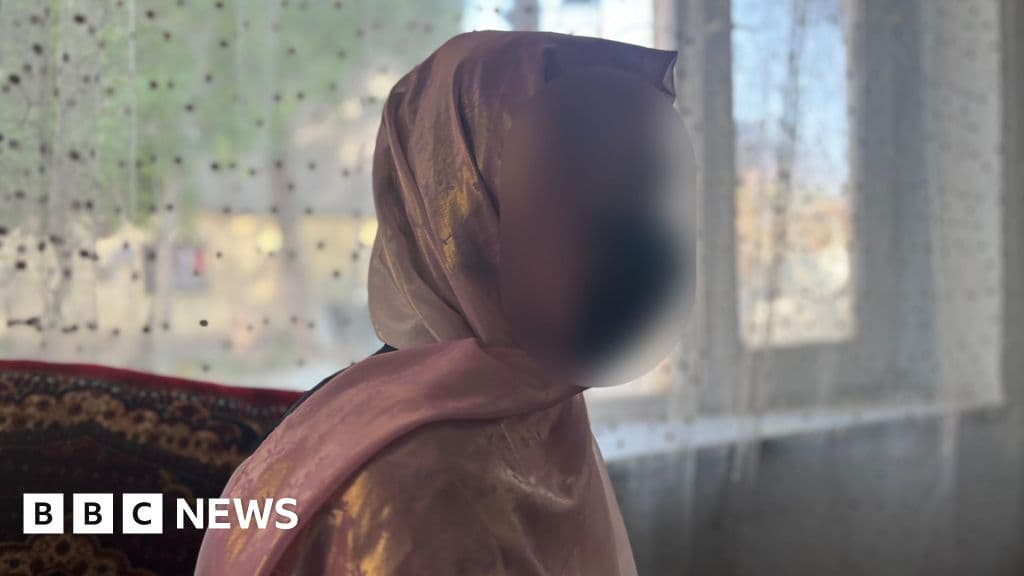
Image: BBC World
Discover the inspiring stories of Afghan women defying forced marriage to pursue education amidst the Taliban's oppressive regime.
GlipzoIn a heart-wrenching tale of resilience, Alia, a 19-year-old Afghan, embarked on a perilous journey to escape an enforced marriage in a country where girls' education is severely restricted. Last year, she traveled hundreds of miles from her village in Daykundi to Kabul, accompanied by her female cousin. The duo, shrouded in hijabs, faced the risk of being stopped by Taliban inspectors, who enforce strict regulations prohibiting women from traveling long distances without a male escort.
Despite the dangers, Alia and her cousin successfully navigated through the checkpoints and reached Kabul, where Alia had a life-changing plan in mind. "I made up an excuse to my family saying I was coming here to meet my friends and former classmates. But that's not true. They are not here. The actual reason is that if I stayed in Daykundi, I would be forced to get married," she revealed.
Upon arriving in the capital, Alia enrolled in an English language course. While these private courses are costly and not a substitute for traditional schooling, they represent one of the few educational opportunities available to girls in Afghanistan post-Taliban takeover. It’s been nearly five years since the Taliban barred girls over 12 from attending school, leaving millions of young women like Alia with limited options and the looming specter of forced marriage.
Alia's situation is particularly exceptional, not only due to her bravery but also because her family can afford to support her educational endeavors. This is a stark contrast to the reality faced by many Afghan families, where three out of four individuals struggle to meet basic needs, as reported by the United Nations. While Alia's parents initially encouraged her education, they have now resigned themselves to the belief that marriage is her only viable path due to the Taliban's oppressive regulations.
"Before the ban, my parents passionately encouraged me to go to school. They told me I could definitely achieve my dream of becoming a pilot. But now they say the best way for me is to get married because I can't go to school or work," Alia lamented.
The pressure to accept marriage proposals looms large for Alia. She fears that a future husband might not grant her the same freedoms her family does. "Some families can be very restrictive. It's possible they could tell me to forget my dreams. I don't feel positive at all about it," she shared. Nevertheless, Alia remains resolute in her commitment to resist marriage if her family allows her to. "If my family don't force me to get married, I will wait. I will resist it until my very last breath."
In Kabul, we also meet Shama, whose life reflects the stark reality faced by many young women in Afghanistan under the Taliban regime. Shama, now a mother of two young daughters, expressed her regret over the lost opportunities for education. "If the Taliban had not taken over, I would have almost finished school by now. I would be close to my dream of becoming a doctor. That is what I wanted," she said sadly.
At just 18, Shama was compelled by her mother, Kamila, to marry, fearing societal repercussions. After her husband passed away six years ago, Kamila worked tirelessly as a cleaner to support her daughters' education. However, the rising threat of the Taliban made Kamila feel that arranging Shama's marriage was the only way to protect her.
"I was fearful that they [the Taliban] would question why I'm not getting her married. I had wanted her to be educated, work, and contribute to society. I am illiterate, so I am like a blind person. But I wanted my girls to learn. She [Shama] had so many dreams. But it didn't happen for her," Kamila explained, revealing the desperation faced by many mothers in Afghanistan.
The Taliban's ban on education for girls has left a profound impact on Afghan society, particularly for young women. The closure of schools has cut off access to education for millions, effectively limiting their chances of building a career and leading to a future dominated by marriage.
Alia and Shama's stories are just two examples in a larger narrative of struggle and perseverance in the face of overwhelming odds. As education remains out of reach for many, the dreams of countless young Afghan women are stifled, with marriage becoming the only perceived option.
Why It Matters: The plight of girls like Alia and Shama highlights the critical need for international attention and action regarding women's rights in Afghanistan. As the world watches, the fate of these young women could serve as a barometer for the future of education and gender equality in the region.
As the situation continues to evolve, the future remains uncertain for women in Afghanistan. With increasing pressure on families to marry off their daughters, the battle for education and autonomy is far from over. Moving forward, advocates for women's rights must amplify their voices and push for policies that prioritize education and freedom for Afghan girls.
In the face of adversity, the brave actions of women like Alia and Shama inspire hope and resilience. The world must not turn a blind eye to their struggle and must continue to support their fight for education and empowerment.
In the coming months, it will be crucial to monitor the developments in Afghanistan concerning women's rights, education policy, and the ongoing international response. The stories of these courageous women serve as a powerful reminder that the struggle for education is, indeed, a struggle for freedom.
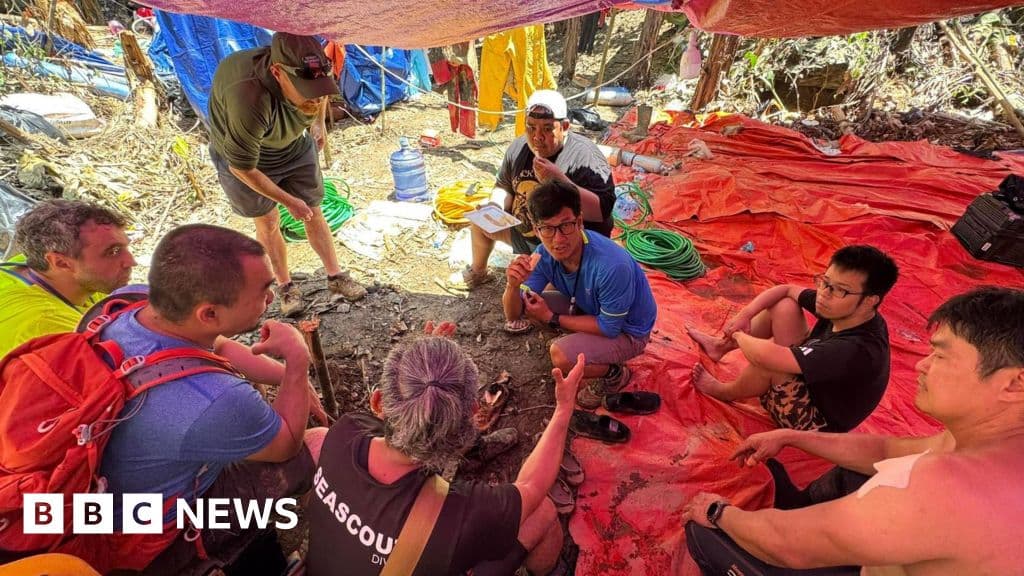
Survivors of the Laos cave rescue are aiding efforts to find the last two missing men trapped inside, sharing crucial insights for the search operation.
BBC World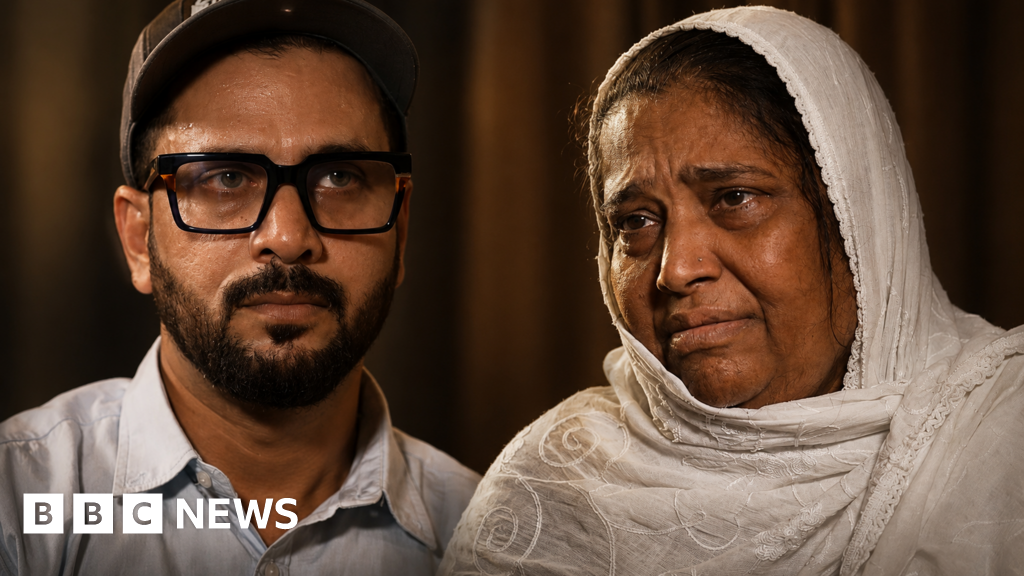
A year after the tragic Air India crash, the Ali family reflects on grief, unanswered questions, and the enduring bonds of love in the face of loss.
BBC Business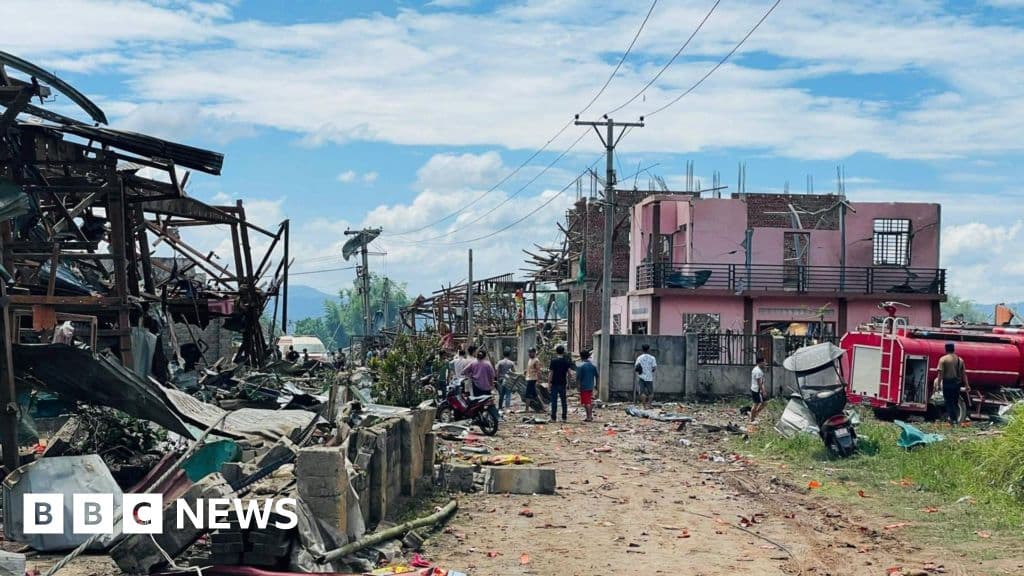
A devastating explosion in Myanmar's Kaung Tat village has killed at least 55 people, raising serious safety concerns and questions about civilian protection in conflict zones.
BBC World