
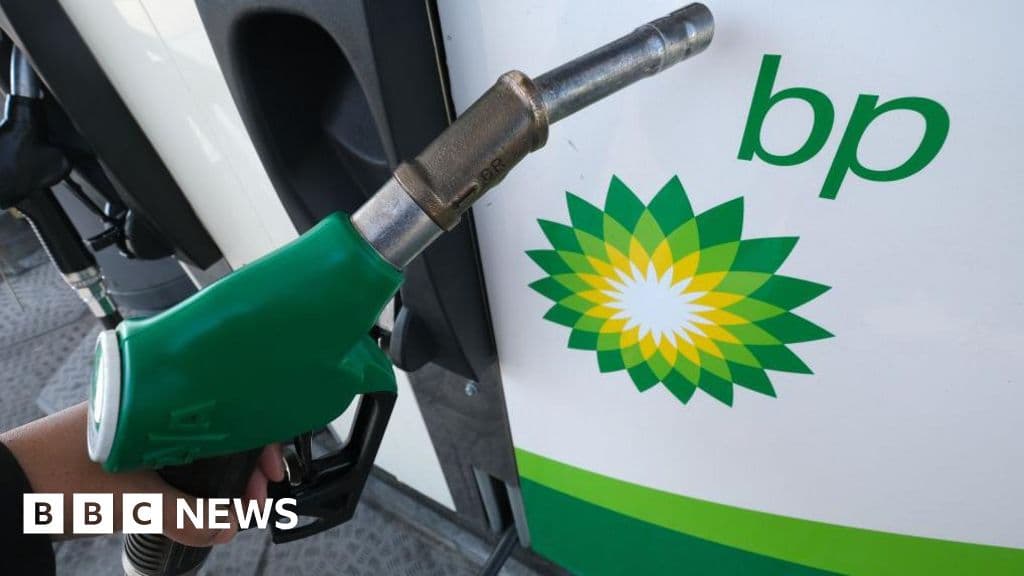
Image: BBC Business
BP reports profits soaring to $3.2 billion in Q1 2023, driven by rising oil prices due to the Iran conflict. What does this mean for the energy market?
GlipzoIn a striking revelation, BP has announced that its profits have skyrocketed more than 100% in the first quarter of 2023, fueled by a significant uptick in oil prices due to the ongoing Iran conflict. The energy giant's profit for January to March reached an impressive $3.2 billion (£2.4 billion), marking a substantial increase from the $1.38 billion reported during the same quarter last year.
This surge in profitability comes in the wake of escalating tensions in the Middle East, particularly the US-Israel war with Iran, which has led to significant fluctuations in oil prices. The Strait of Hormuz, a vital passage that typically carries approximately 20% of the world’s oil and liquid natural gas, has seen its operations severely impacted, contributing to the volatility in oil markets.
Before the conflict erupted, Brent crude was priced around $73 per barrel. However, as tensions escalated, prices surged to nearly $120, later dipping below the $100 mark amid speculation regarding the Strait's reopening. Currently, Brent is trading at approximately $110 per barrel. This wide price variation creates opportunities for traders to capitalize on the difference between buying and selling prices, leading to higher profits.
The customers and products division of BP, which encompasses the oil trading unit, has reported a staggering increase in profits, jumping from a mere $103 million last year to $2.5 billion this quarter. This remarkable performance highlights how geopolitical events have created a lucrative environment for energy traders.
In light of BP's soaring profits, Chancellor Rachel Reeves weighed in, underscoring the necessity of the Energy Profits Levy, a windfall tax aimed at ensuring that these unexpected gains are taxed appropriately. Introduced in 2022 in response to rising profits after Russia’s invasion of Ukraine, this levy has been extended until March 2030. However, it is crucial to note that this tax applies only to profits generated from oil and gas extraction in the UK, while a significant portion of BP’s earnings comes from its international operations.
Reeves emphasized the importance of setting windfall taxes correctly, stating, "BP and other oil and gas companies play a really important part in our energy mix." This statement reflects the ongoing debate about balancing corporate profits with public welfare amidst soaring energy costs.
These results mark the first earnings announcement under BP's new CEO, Meg O'Neill, who stepped into the role at the beginning of April following the departure of Murray Auchincloss. O'Neill acknowledged the challenges facing the industry, stating, "I joined at a time when our industry is operating in an environment of conflict and complexity."
She emphasized BP's commitment to collaborating with customers and governments to ensure fuel reaches those in need, thereby helping to mitigate disruptions caused by the ongoing conflict. Despite the upbeat trading performance, O'Neill noted that BP's upstream production—which entails the exploration and extraction of oil and gas—has remained stagnant. The company anticipates a decline in production from April to June, largely due to disruptions in the Middle East.
Following the announcement, BP's share price rose by 3% on Tuesday and has increased by approximately 20% since the onset of the Iran war. Investment analysts acknowledge that while BP's trading division is thriving, the overall production outlook remains uncertain due to geopolitical instability.
Susannah Streeter, chief investment strategist at Wealth Club, remarked, "BP's trading division has clearly thrived in an environment of wild swings, leading to high-velocity trading." However, she cautioned that the company’s production capabilities could be adversely affected by the ongoing turmoil in the Gulf region.
Charles Hall, head of research at Peel Hunt, echoed these sentiments, pointing out that while the strong trading performance may persist, external factors could complicate BP's outlook for the upcoming quarter.
Amid these developments, environmental organizations have voiced their concerns regarding BP's windfall from the crisis. Mike Childs, head of science, policy, and research at Friends of the Earth, stated, "Just as we saw in 2022 following Russia's invasion of Ukraine, fossil fuel giants are quids-in when global instability drastically inflates fuel prices."
He emphasized the plight of ordinary citizens, stating that soaring energy prices could exacerbate the ongoing cost of living crisis in the UK, highlighting the need for the nation to lessen its dependence on fossil fuels.
As BP navigates these turbulent waters with a new leadership team, the energy sector will be closely monitoring the impact of the Iran conflict on global oil prices. Key factors to watch include: - The potential reopening of the Strait of Hormuz and its effects on oil supply stability. - Ongoing geopolitical tensions and their influence on energy market volatility. - The effectiveness of government policies, including the Energy Profits Levy, in addressing rising energy costs for consumers.
In conclusion, BP's financial results underscore the profound impact of global conflicts on energy markets, and the company's strategic decisions in the coming months will be critical as it adapts to a rapidly changing landscape.
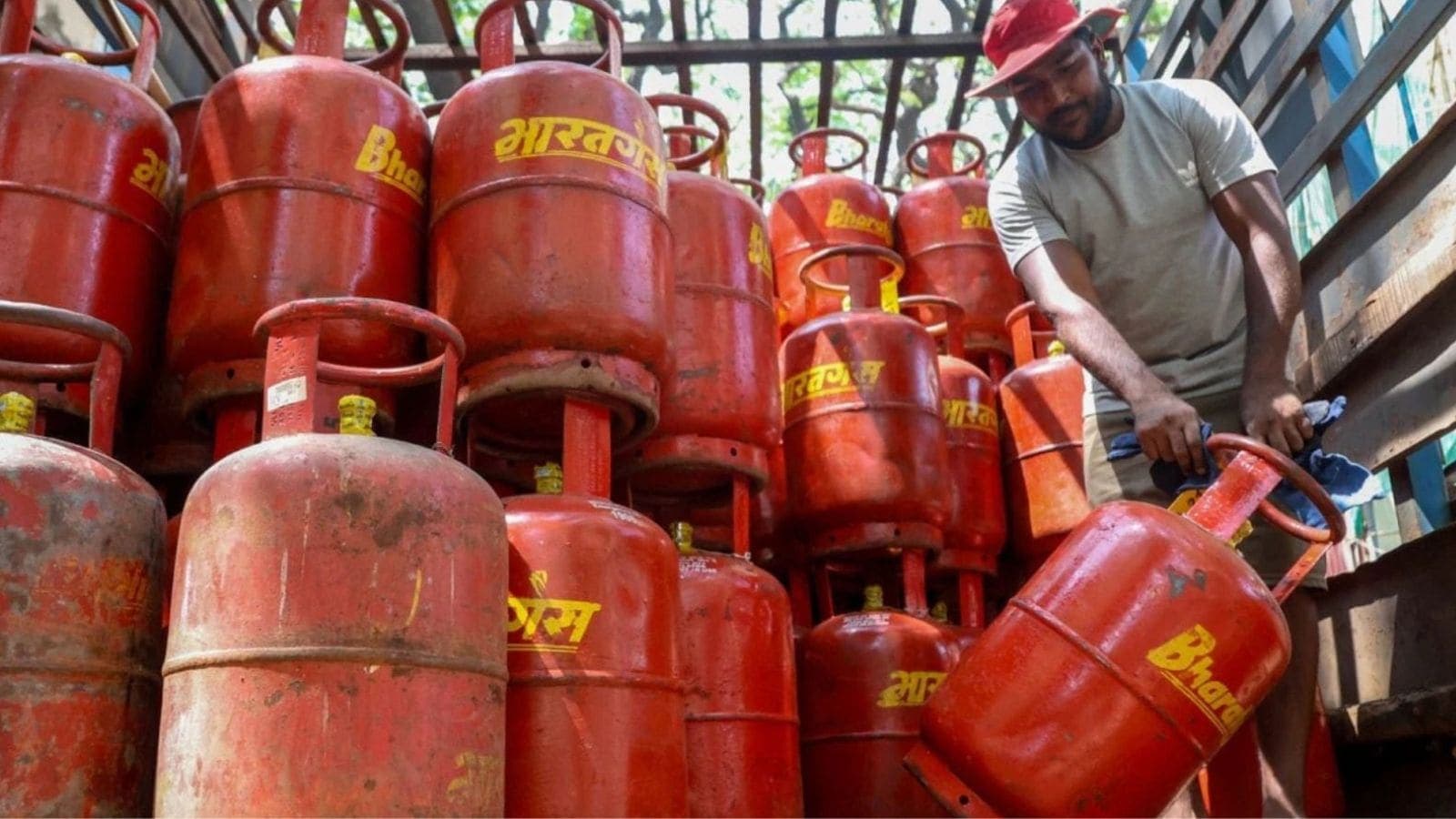
Commercial LPG prices have risen again, with increases of ₹42 in Delhi and ₹53.50 in Kolkata impacting businesses and consumers alike. Find out more.
Indian Express
Discover how a tragic coal mine explosion in Shanxi, China, reveals ongoing safety concerns in the industry amidst a push for green energy.
BBC Business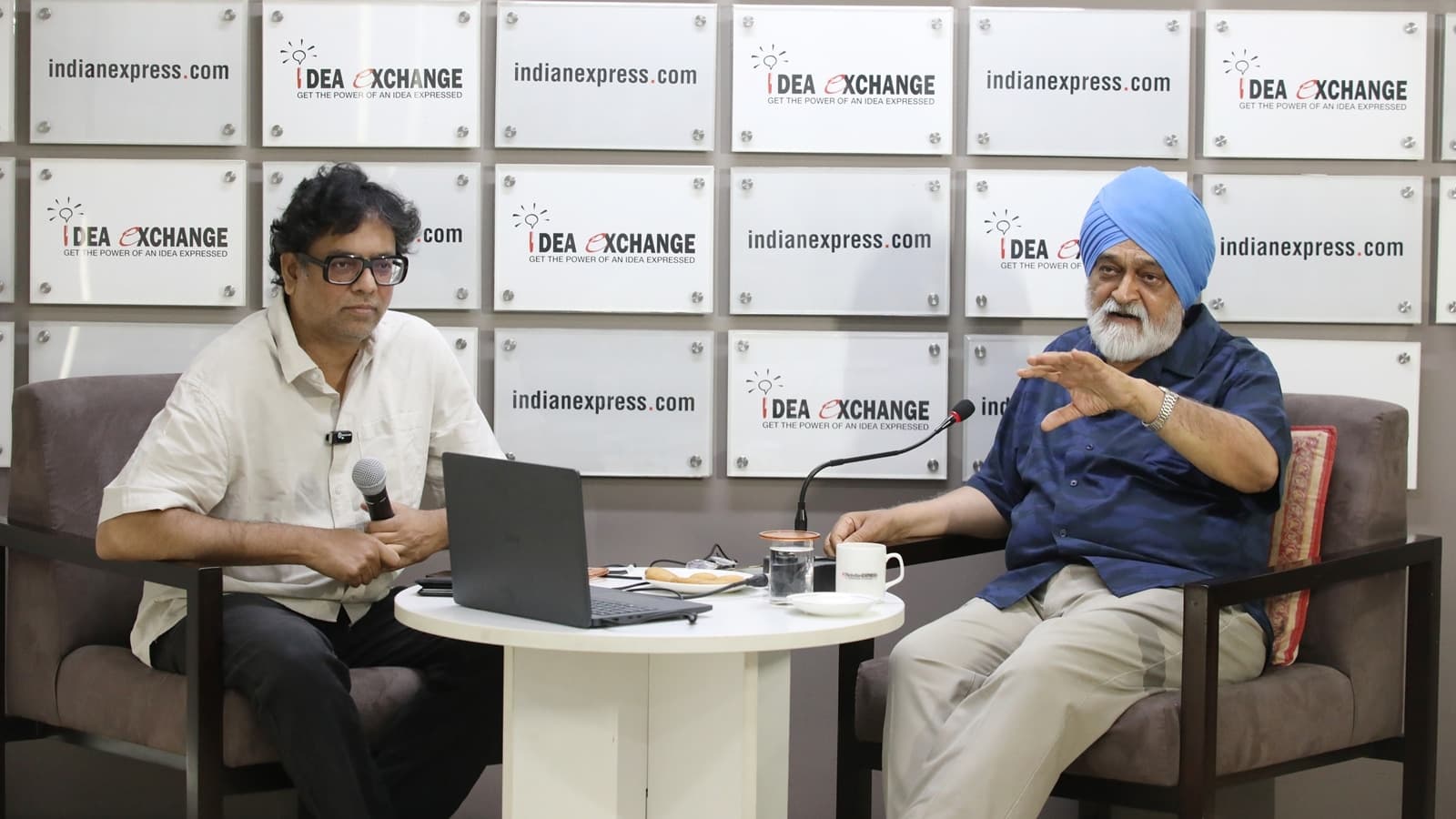
Montek Singh Ahluwalia highlights key economic challenges for India, emphasizing the need for a strategic approach to balance payments and investment.
Indian Express