
Image: Mint (Business)
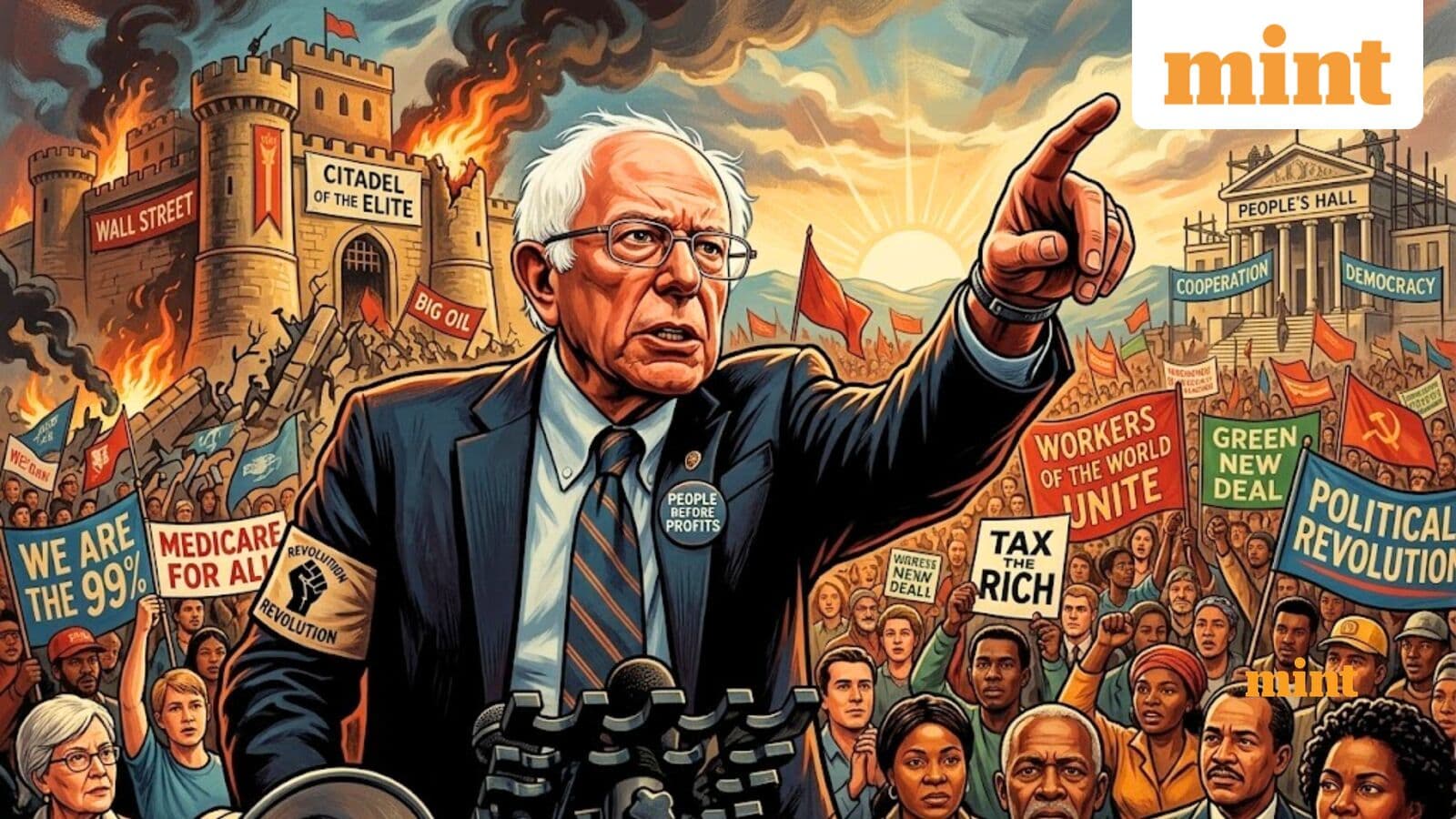
Senator Bernie Sanders' powerful quote challenges us to confront societal issues as human-made problems that can be changed. Discover its implications!
GlipzoIn a powerful statement, Vermont Senator Bernie Sanders asserted, "The problems we face did not come down from the heavens. They are made, they are made by bad human decisions, and good human decisions can change them." This thought-provoking quote is not merely a call to action; it serves as a challenge to complacency and an invitation to accountability. Through this declaration, Sanders emphasizes that societal issues such as poverty, inequality, and climate change are not inevitable but rather the result of specific choices made by individuals and systems.
Sanders' words resonate deeply, especially in a time when many feel overwhelmed by the complexity of global problems. The essence of his message is clear: suffering and injustice are not fated; instead, they are the outcomes of human decisions. This realization can be both liberating and daunting, as it shifts responsibility away from an abstract notion of fate onto the shoulders of people.
The quote's three-part structure serves a distinct purpose: - Demolition: "The problems we face did not come down from the heavens" dismantles the myth that societal issues are beyond human control. - Accusation: "They are made, they are made by bad human decisions" confronts individuals with the reality that their choices directly contribute to these problems. - Opening: "And good human decisions can change them" offers a glimmer of hope, suggesting that proactive decisions can lead to change.
This triad of ideas constructs a moral argument that emphasizes accountability first, followed by the potential for change. By asserting that problems are created by human decisions, Sanders pushes us to confront uncomfortable truths about our societal structures.
One of the most insidious ideas in any political discourse is inevitability. When people start to believe that change is impossible, they tend to disengage. They accept the status quo, thinking that issues like poverty or injustice are permanent fixtures of society. Sanders’ quote serves as a potent rebuttal to this notion. It emphasizes that complacency is a decision in itself, one that can have significant consequences.
This sentiment transcends politics; it applies to every aspect of life. In organizations where toxic cultures are dismissed as the norm, or in families that perpetuate unhealthy behaviors, the mindset of inevitability can be perilous. By challenging this mindset, Sanders encourages a critical examination of what we accept as 'normal.'
At the heart of Sanders’ message is a pressing question: Who decided that these problems are standard? The quote invites us to reflect on the structures and systems that allow such issues to persist. It also prompts a follow-up question: Who has the power to decide differently?
Senator Sanders has consistently championed these ideas through tangible actions throughout his political career. His advocacy for healthcare reform, wage increases, and corporate regulation is rooted in the belief that these are choices made by people, not unavoidable circumstances. He often reiterates, "Change never happens from the top down. It always happens from the bottom up." This philosophy underscores that real change is driven by ordinary individuals demanding accountability from those in power.
Sanders’ insights remind us that good decisions require collective action. Change rarely occurs in isolation; it is the result of numerous individuals uniting to reject unacceptable circumstances.
This call for collective action brings forth several key takeaways: - Questioning Normality: When faced with a problem, ask: whose decision made this situation acceptable? This inquiry can reshape your perspective. - The Cost of Cynicism: While cynicism may provide comfort, Sanders' words challenge us to recognize that doing nothing is also a choice that bears consequences. - Unity in Decision-Making: Positive change emerges when enough individuals decide that a problematic situation is intolerable. The power of collective action cannot be overstated.
Ultimately, Sanders’ quote encapsulates a vital truth: the issues we face are constructed by human hands, and those same hands have the potential to dismantle them. The question that lingers is: who will take up the mantle of change?
As we move forward, it’s crucial to foster dialogue around these issues and cultivate a culture of accountability. By engaging in conversations about the decisions that shape our world, we can begin to envision a different future—one where good choices lead to meaningful changes.
In conclusion, the urgency to confront systemic issues is more pressing than ever. Bernie Sanders’ poignant reminder that problems are made by human decisions compels us to take action. As we reflect on his words, let’s commit to being the hands that build a better future.

Tensions soar as the US and Iran engage in air strikes near the Strait of Hormuz, raising concerns over global oil supply and regional stability.
BBC World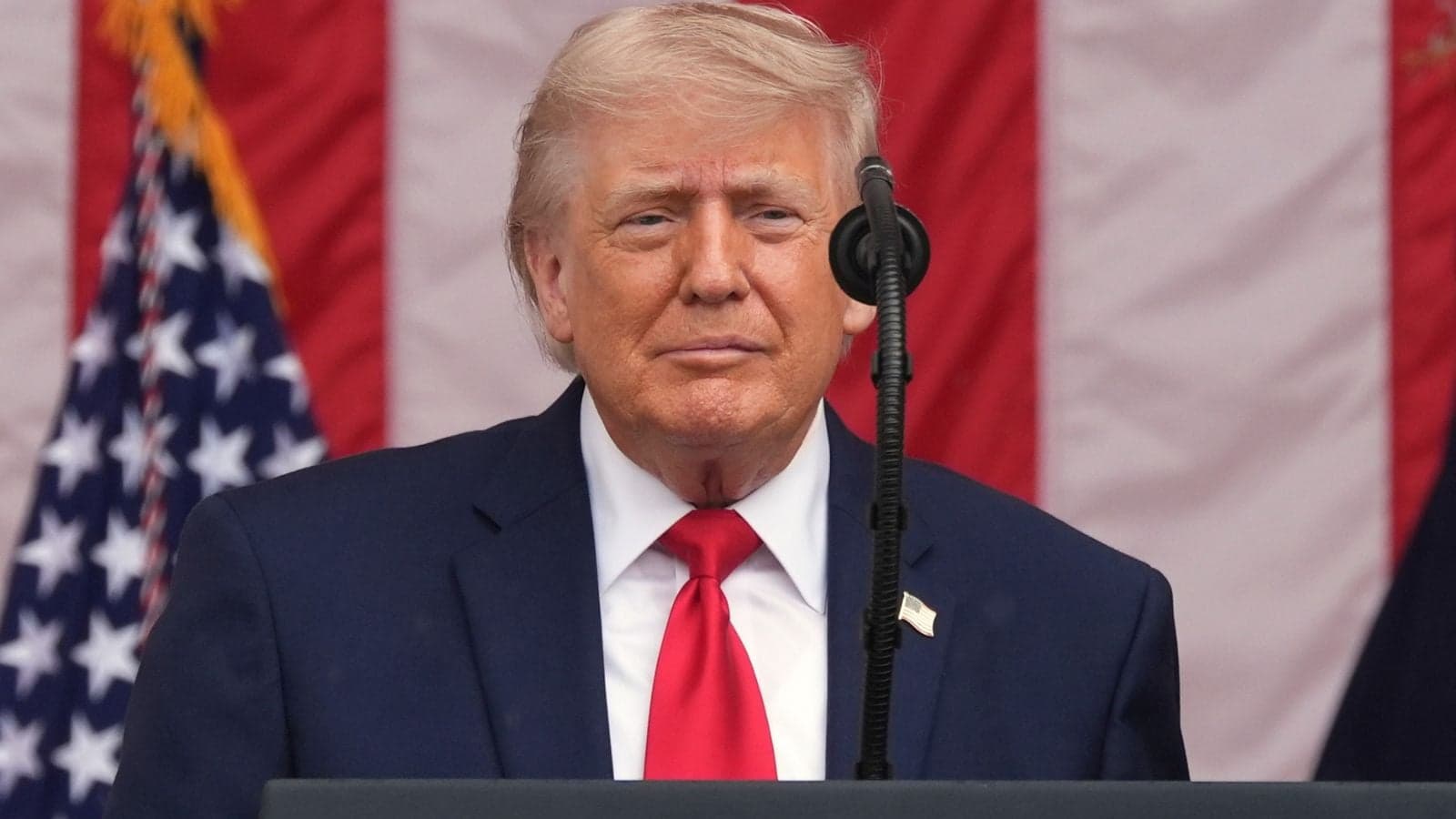
Trump's international interventions face serious stalemates. What will this mean for U.S. foreign policy? Explore the critical challenges ahead.
Indian Express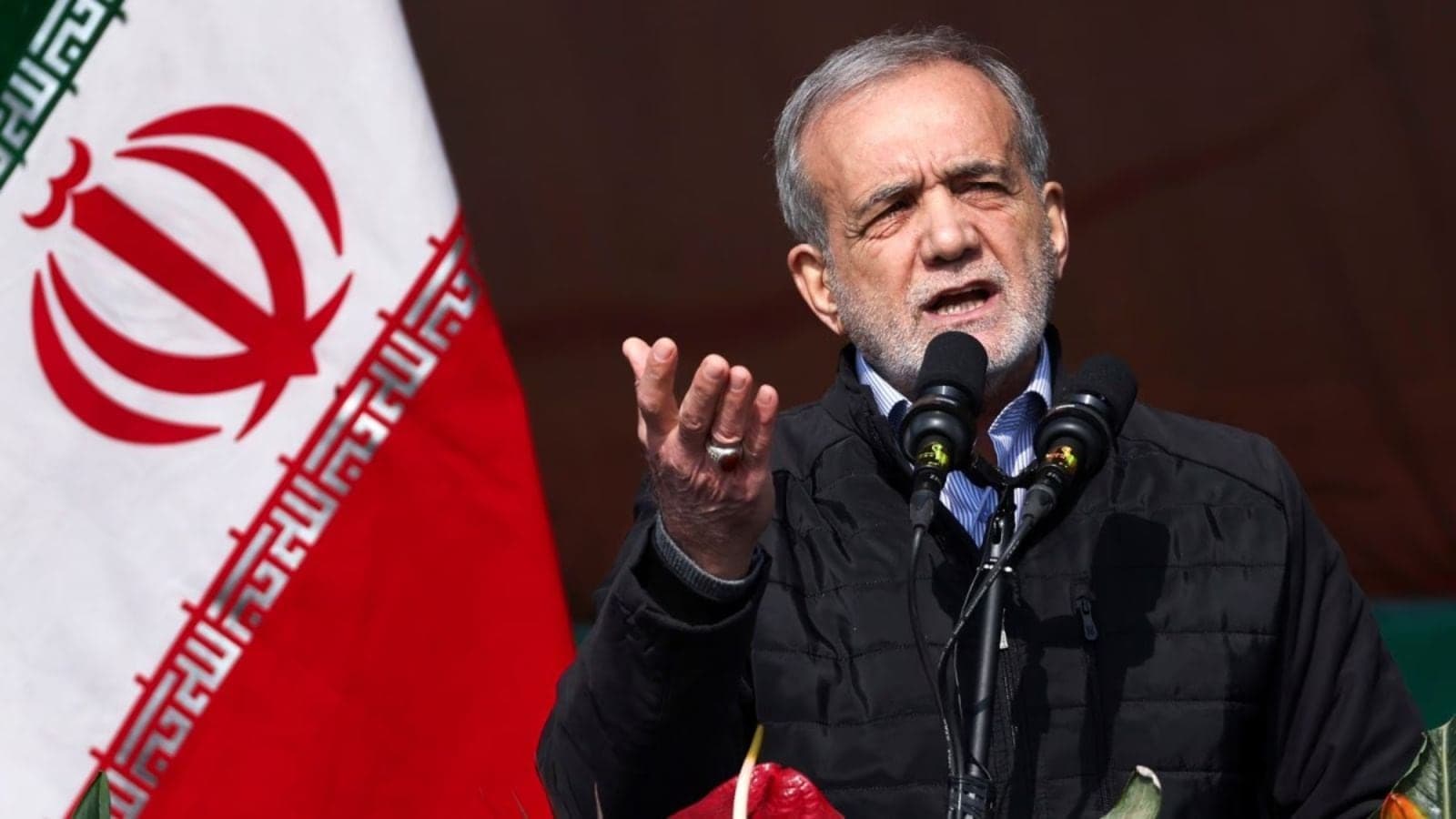
Tehran denies resignation of President Masoud Pezeshkian amid claims of IRGC influence. What does this mean for Iran's political stability? Click to learn more!
Indian Express