

Image: Mint (Business)
Bengaluru Redditor raises alarm over meal price hikes amid LPG crisis, sparking debate on economics and ethics of food pricing. What’s next?
GlipzoA recent Reddit post has ignited a fervent discussion among social media users about the apparent hike in meal prices in Bengaluru, attributed to the ongoing LPG crisis. Shared by user riderjohny07 on the subreddit r/bangalore, the post highlights the struggles faced by those who rely on affordable meal options near their workplaces.
In their post, the user describes their experience living in a paying guest (PG) accommodation, where meals are provided without extra charges. However, the offerings are quite basic, predominantly consisting of rice, dal, and sambhar. Despite the limited menu, riderjohny07 has adapted to this simple diet after spending four years pursuing an engineering degree.
> "So I am living in a PG and they are providing meals without any extra charges or rents... But I am least bothered, as four years of my engineering has taught me how to survive in the bare minimum without complaining," the user expressed.
The crux of the issue lies with the user’s go-to lunch vendor, who typically provides home-style meals that include a more varied selection compared to the PG menu. However, the vendor abruptly raised the price of a meal from ₹40 to ₹60, a staggering 50% increase that the vendor attributed to the ongoing LPG crisis.
> "The cost for veg meal has suddenly increased from ₹40 to ₹60 (50% increase). Freakin ₹20 per plate," the user noted, expressing frustration over the sudden rise. They also expressed doubts that the price would revert to its previous level even if the LPG situation improved.
In an attempt to breakdown the math behind this price increase, riderjohny07 questioned the vendor's logic. They pointed out that if the vendor sells around 50 plates a day, the extra ₹20 per meal could lead to an additional ₹1,000 in daily earnings.
> "Even if the vendor sells 50 plates per day… that ₹1,000 additional income is itself worth buying a full cylinder. Maths is not mathing," the user concluded, suggesting that the hike may not entirely align with the reasons provided.
The price hike, they argue, places an additional financial burden on them and others who rely on these affordable meals.
The post quickly garnered a myriad of responses from other Reddit users, many of whom shared their own experiences with rising food costs in the city. The discussions varied, with some questioning whether small food vendors were indeed struggling with higher fuel costs or simply capitalizing on the situation to increase profits.
One user bluntly commented, "You expect justice in a capitalistic free market… it runs on greed, man." Another chimed in with concerns over cooking gas prices, stating, "The cylinder in black used to be available at ₹1,100, it’s now costing at least ₹2,000."
As the conversation progressed, some users took a more cynical view of how businesses might exploit the crisis. One user shared their personal insight, claiming "My uncle owns a restaurant chain. He recently booked a luxury car... banking on this additional LPG income." This sentiment reflects a growing mistrust among consumers towards businesses during economic challenges.
Conversely, others argued that the price hikes could be a natural result of supply and demand dynamics. "This is a supply-demand issue. Hopefully, once availability improves, prices should return to normal," one user noted, highlighting the complexities surrounding the current market situation.
This situation sheds light on a larger issue affecting many residents in Bengaluru and beyond. As the LPG crisis continues, the ripple effects are being felt across various sectors, especially for those dependent on affordable meal options. Rising food prices not only impact daily budgets but can also exacerbate food insecurity for vulnerable populations.
The discussions on Reddit serve as a microcosm of a broader economic challenge, illustrating the struggles faced by everyday people as they navigate rising costs amid a crisis.
As the LPG crisis unfolds, it is crucial for consumers to monitor how prices for essential goods, including food, are affected. Understanding the dynamics at play can help individuals make informed choices about their spending habits. Additionally, as the situation evolves, it will be interesting to see if vendors adjust their prices back to pre-crisis levels or if the new pricing becomes the norm.
In a rapidly changing economic landscape, staying informed and engaged in discussions about these issues is vital. The ongoing dialogue on platforms like Reddit highlights the community's resilience and willingness to confront these challenges together.
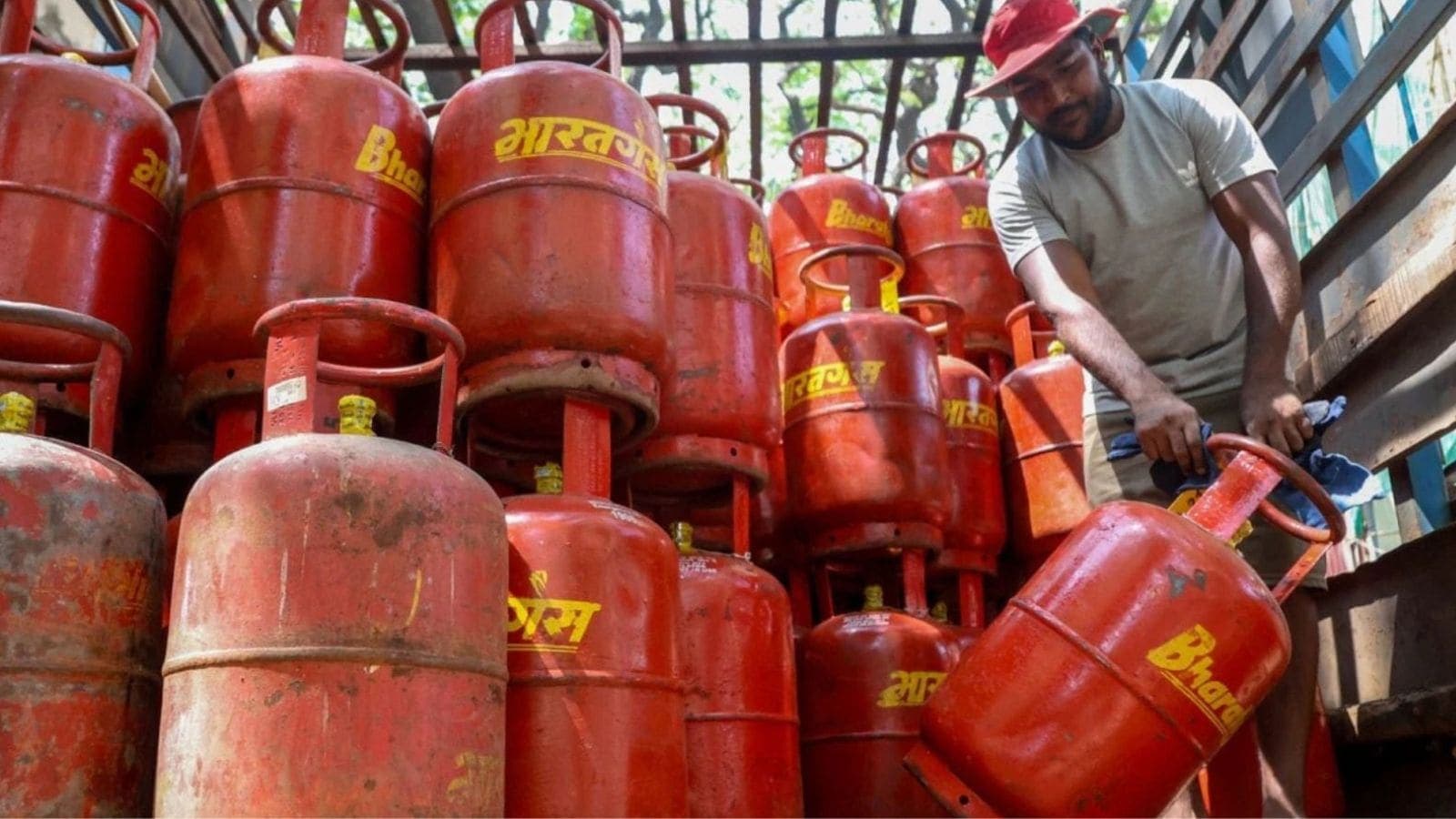
Commercial LPG prices have risen again, with increases of ₹42 in Delhi and ₹53.50 in Kolkata impacting businesses and consumers alike. Find out more.
Indian Express
Discover how a tragic coal mine explosion in Shanxi, China, reveals ongoing safety concerns in the industry amidst a push for green energy.
BBC Business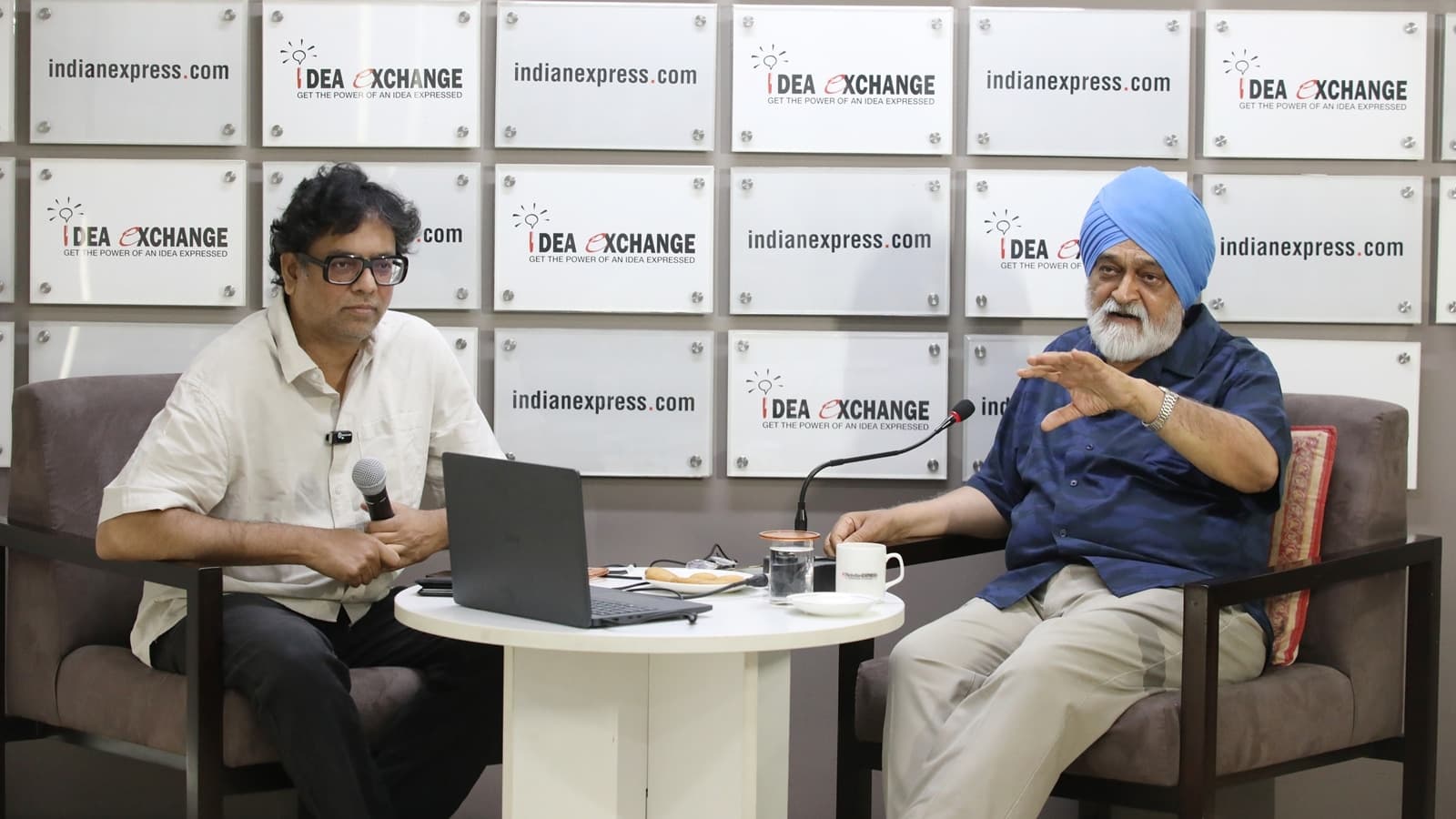
Montek Singh Ahluwalia highlights key economic challenges for India, emphasizing the need for a strategic approach to balance payments and investment.
Indian Express