
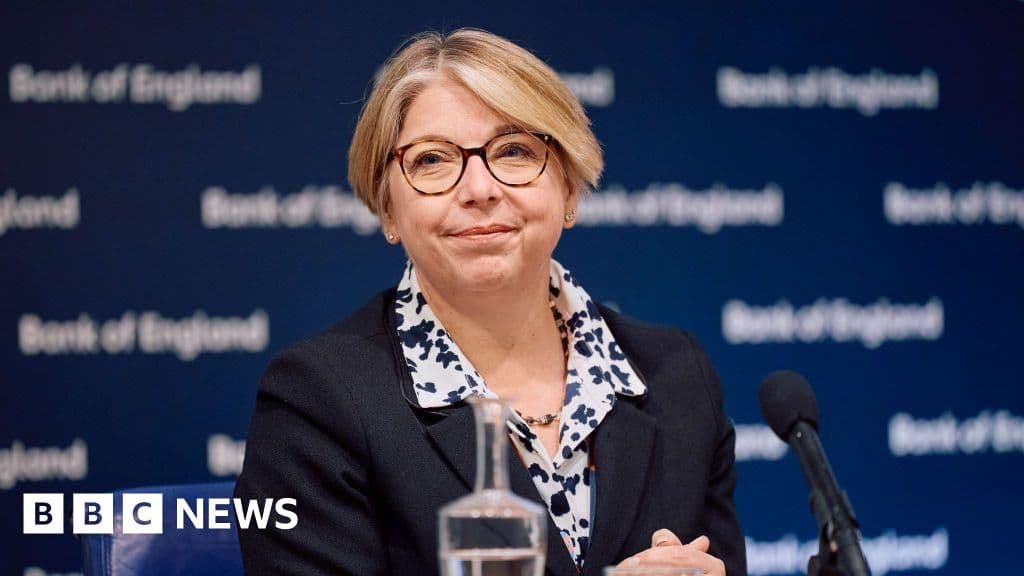
Image: BBC Business
Bank of England's Sarah Breeden warns of looming stock market declines due to unrecognized risks. What should investors be aware of?
GlipzoIn a candid discussion with the BBC, Sarah Breeden, Deputy Governor of the Bank of England, issued a stark warning regarding the global stock markets. Breeden indicated that current share prices are not reflective of the numerous risks threatening the global economy, suggesting that a significant market correction is on the horizon. "There's a lot of risk out there and yet asset prices are at all-time highs. We expect there will be an adjustment at some point," she stated, highlighting a growing sense of unease among financial authorities.
This level of transparency from a senior official at the Bank of England is uncommon, signaling the seriousness of the situation. Breeden, who also heads the Bank's financial stability division, refrained from specifying when this market adjustment might occur or its potential magnitude. However, she pointed to a variety of factors that indicate a troubling complacency among investors.
One of the primary concerns for Breeden is the potential for multiple risks converging simultaneously. She articulated her worries, stating, "The thing that really keeps me awake at night is the likelihood of a number of risks crystallizing at the same time – a major macroeconomic shock, confidence in private credit goes, AI and other risky valuations readjust - what happens in that environment and are we prepared for it?" This statement underscores the fragility of the current financial landscape, where optimism may be overshadowing significant threats.
Breeden's comments come at a time when the US stock market, which includes some of the largest companies globally, has reached record highs. This surge occurs despite warnings from the International Energy Agency about the potential for an unprecedented energy shock affecting the world economy. This paradox raises questions about investor confidence and market sustainability.
The boom in technology stocks, particularly those related to artificial intelligence, has drawn comparisons to the dotcom bubble of the late 1990s. Major tech companies have invested hundreds of billions into AI infrastructure, leading figures like Bill Gates to describe the situation as a "frenzy" reminiscent of that era, when many startups failed spectacularly after receiving substantial investments. Critics express concerns that the current market is similarly inflating based on hype rather than fundamental value.
Contrarily, Nvidia's CEO, Jensen Huang, a key player in the AI chip market, has dismissed these warnings, suggesting that the growth is sustainable. However, the divergence of opinions raises important questions about the actual health of the tech sector and its impact on the broader market.
Another major concern highlighted by Breeden is the rise of the shadow banking system, which has exploded in size, now estimated at $2.5 trillion over the past 15 to 20 years. This sector, which includes funds that operate similarly to banks but lend privately to businesses, has faced significant challenges recently, including losses and restricted withdrawals that have raised alarms about its stability.
Breeden emphasized that this shadow banking system has never been tested under the current conditions of complexity and interconnections with the traditional financial system. "It's a private credit crunch, rather than a banking-driven credit crunch, that we're worried about," she noted, pointing out the unique vulnerabilities that this system presents.
While the UK stock market does not boast the same kind of AI giants that have propelled US markets to new heights, the FTSE 100 index is still hovering within 5% of its all-time high. This proximity to record levels, coupled with the Bank of England's warnings, creates a complex picture for UK investors.
Breeden clarified her role, stating that it is not her job to predict when markets will fall, but rather to ensure that the financial system is prepared for such an eventuality. She articulated the importance of monitoring how these prices may decline and the potential repercussions on the economy. "I'm not saying it will happen today, tomorrow, in 12 months' time. It's ensuring that if it happens the system is resilient," she asserted, reinforcing the need for vigilance.
As the Bank of England navigates these turbulent waters, investors should remain alert to the signs of a potential market correction. The convergence of risks, from macroeconomic shocks to the instabilities within the shadow banking system, could lead to a significant realignment of asset prices.
As these dynamics unfold, the financial community will be watching closely to see how prepared the global economy is to weather the potential storm that may lie ahead. The consensus is clear: vigilance and preparation are key as we move forward into uncertain times.
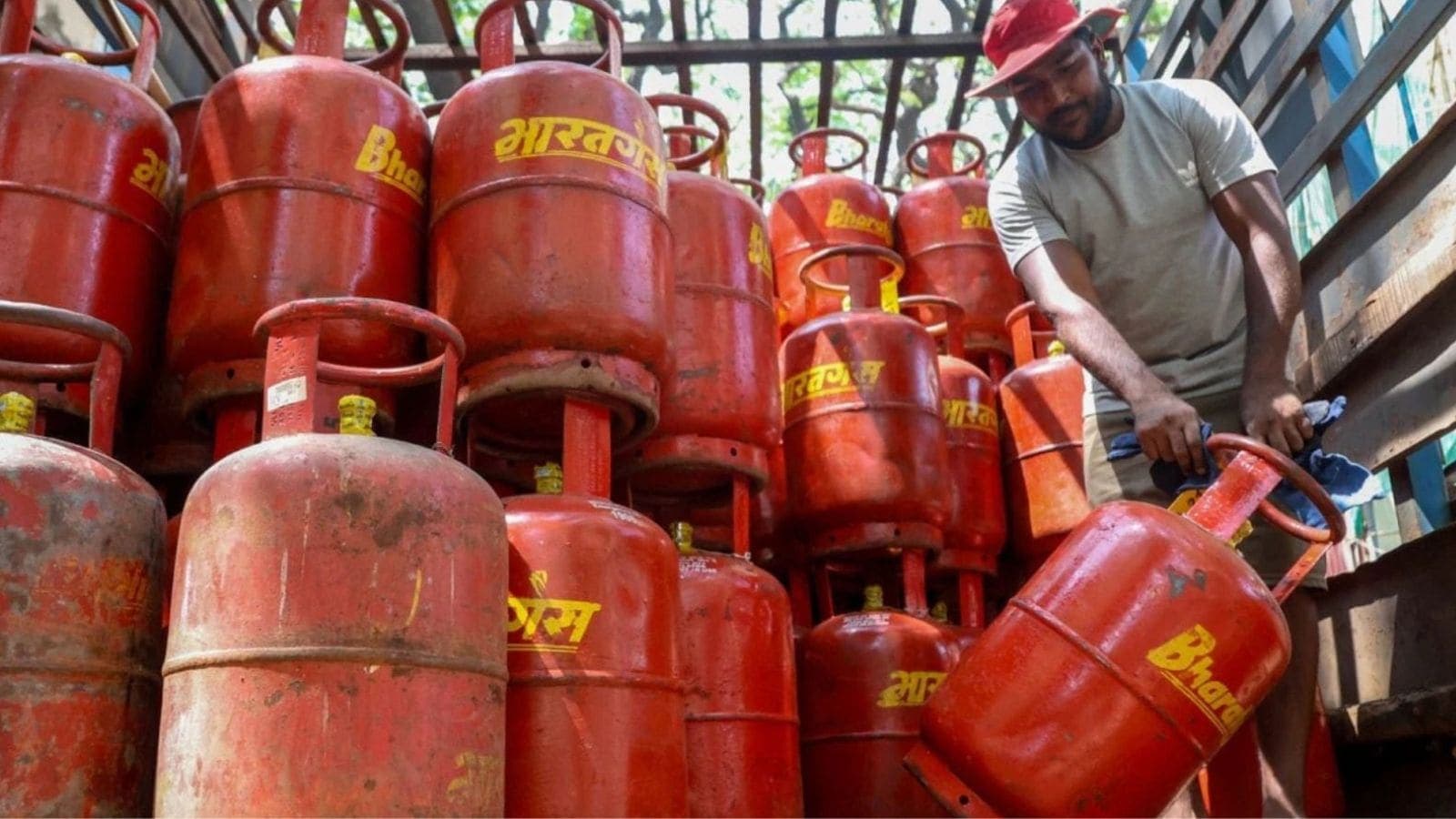
Commercial LPG prices have risen again, with increases of ₹42 in Delhi and ₹53.50 in Kolkata impacting businesses and consumers alike. Find out more.
Indian Express
Discover how a tragic coal mine explosion in Shanxi, China, reveals ongoing safety concerns in the industry amidst a push for green energy.
BBC Business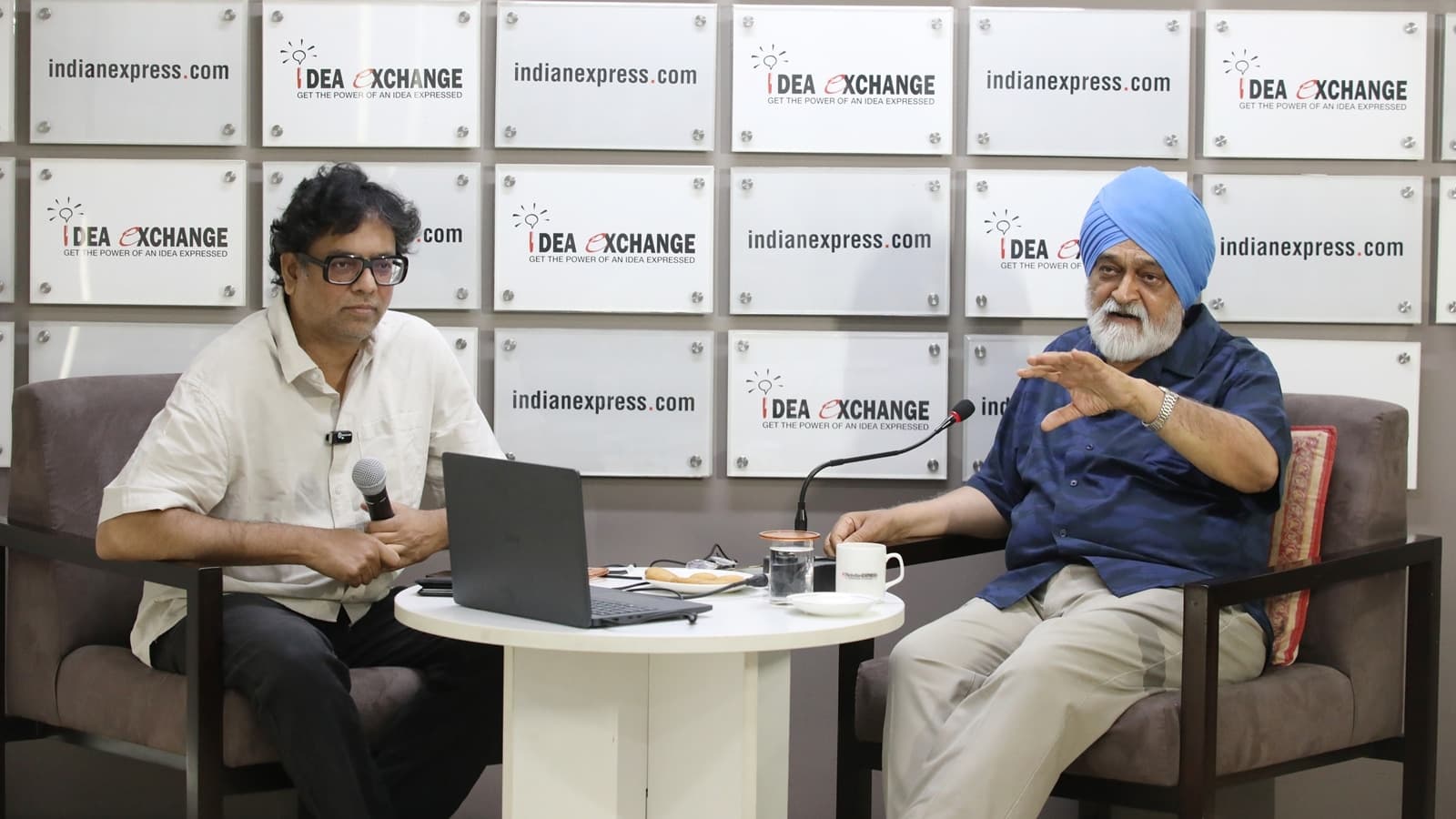
Montek Singh Ahluwalia highlights key economic challenges for India, emphasizing the need for a strategic approach to balance payments and investment.
Indian Express