
Image: BBC World
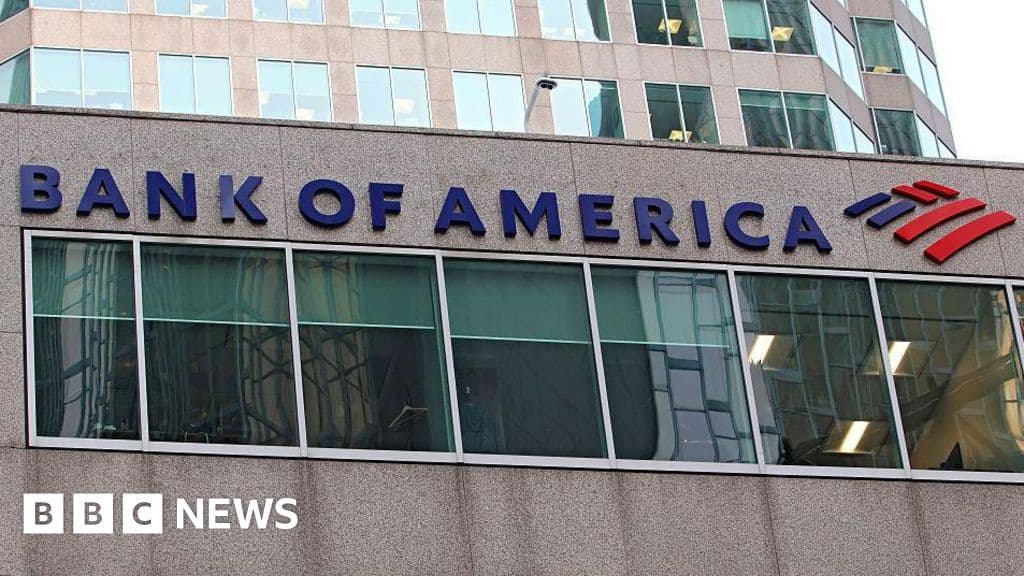
Bank of America agrees to a $72.5M settlement over Epstein lawsuit, raising questions about accountability in financial institutions. What’s next?
GlipzoIn a major development, Bank of America has reached a $72.5 million settlement related to a lawsuit involving victims of the notorious sex trafficker Jeffrey Epstein. The case, filed in October 2023, alleged that the bank played a role in facilitating Epstein's criminal activities through its banking services. This settlement, which awaits approval from a federal judge in New York, highlights the ongoing repercussions of Epstein's heinous actions and raises questions about institutional accountability.
The lawsuit was initiated by a Florida woman, identified as a “Jane Doe,” who claims to have been sexually abused by Epstein on over 100 occasions between 2011 and 2019. She asserts that her Bank of America accounts were used under the direction of Epstein’s business associates, alleging that the bank prioritised profit over the safety of victims.
In its legal response, Bank of America maintained that the settlement does not equate to an admission of wrongdoing or liability. The bank emphasized its position by stating, "While we stand by our prior statements made in the filings in this case, including that Bank of America did not facilitate sex trafficking crimes, this resolution allows us to put this matter behind us and provides further closure for the plaintiffs."
The settlement was disclosed following the filing of court documents last Friday, although the agreement was reached earlier this month. This payout is part of a broader pattern, as it is the third settlement involving major financial institutions in connection with Epstein. Previously, JP Morgan Chase and Deutsche Bank settled for $290 million and $75 million, respectively, further underscoring the financial industry's entanglements with Epstein.
Sigrid McCawley, an attorney representing the victims, expressed hope that this settlement represents progress towards justice, stating, "This resolution is one more step on the road to much deserved justice." McCawley’s sentiments reflect a growing demand for accountability from institutions that have been linked to Epstein’s operations.
The lawsuit details disturbing banking behavior associated with the plaintiff’s accounts, highlighting how Epstein’s team allegedly manipulated her banking activities. Jane Doe met Epstein in Russia in 2011 and claims that he maintained control over her until his death in August 2019, which was ruled a suicide. She referred to his death as her “ultimate escape.”
Adding another layer of complexity to the case is the involvement of Leon Black, co-founder of Apollo Global Management. The lawsuit points to over $150 million paid to Epstein by Black under the pretext of “tax and estate planning advice,” a transaction conducted through his Bank of America account. While Black has denied any wrongdoing, his connections to Epstein have come under intense scrutiny, leading to his resignation from Apollo.
Black was questioned in relation to the lawsuit last week, illustrating the ongoing investigation into the financial dealings that may have supported Epstein’s operations. The case against Bank of America, alongside others, raises urgent questions about the responsibility of financial institutions in monitoring suspicious activities and protecting vulnerable individuals.
The fallout from Epstein's actions continues to affect numerous sectors, from finance to legal systems. The settlements reached by major banks indicate a significant shift in how institutions may approach their relationships with high-profile clients. The implications of these lawsuits extend beyond monetary settlements; they may influence future banking regulations and corporate governance practices aimed at preventing similar abuses.
As the legal landscape continues to evolve, it’s crucial to observe how other financial entities respond to these challenges. Will they enhance their due diligence processes or reassess their ethical obligations to clients? The future of institutional accountability hangs in the balance, as the Epstein case continues to unfold.
As we look ahead, several key factors will shape the narrative surrounding the Epstein lawsuits and their aftermath:
The Epstein saga has exposed deep flaws in the systems that failed to protect victims and has ignited a broader conversation about accountability in finance. As more details emerge, it will be essential to monitor how these developments influence the financial industry and victim advocacy in the coming years.

Commercial LPG prices have risen again, with increases of ₹42 in Delhi and ₹53.50 in Kolkata impacting businesses and consumers alike. Find out more.
Indian Express
Discover how a tragic coal mine explosion in Shanxi, China, reveals ongoing safety concerns in the industry amidst a push for green energy.
BBC Business
Montek Singh Ahluwalia highlights key economic challenges for India, emphasizing the need for a strategic approach to balance payments and investment.
Indian Express