
Image: BBC World
Australia's social media ban for under-16s faces compliance issues. How will regulators enforce the law and protect children online? Click to learn more.
GlipzoIn a significant move to protect children, Australia has implemented a ban on social media platforms for users under the age of 16. This legislation, which went into effect in December 2022, targets major platforms including Facebook, Instagram, Snapchat, TikTok, and YouTube. However, recent findings from Australia's eSafety regulator indicate that major social media companies are falling short in enforcing these restrictions.
The eSafety Commissioner, Julie Inman Grant, has expressed serious concerns regarding compliance among these platforms. Despite initial actions taken by the companies, such as account removals, Inman Grant suggests that these measures may not be sufficient to adhere to Australian laws. The push for this ban stems from a pressing need to shield children from the dangers of harmful content and the addictive nature of digital platforms, a sentiment echoed by parents and advocates across the nation.
As this situation evolves, other countries, particularly the UK, are closely monitoring Australia's approach to see if similar laws could be enacted in their jurisdictions. The global implications of these developments could potentially reshape how social media operates internationally.
Since the law's introduction, the eSafety regulator has reported that approximately 4.7 million accounts were either restricted or deleted within the first month. Despite these numbers, the regulator's latest report highlights several lapses in best practices by the targeted social media platforms. Inman Grant has stated, "While social media platforms have taken some initial action, I am concerned through our compliance monitoring that some may not be doing enough to comply with Australian law."
The eSafety commissioner announced a shift from monitoring to enforcement, indicating that the regulator will now actively gather evidence against platforms that fail to meet compliance standards. The intention is to demonstrate that these platforms have not implemented adequate systems to prevent underage users from accessing their services. This move is crucial as it underscores the accountability that social media companies must uphold in protecting minors online.
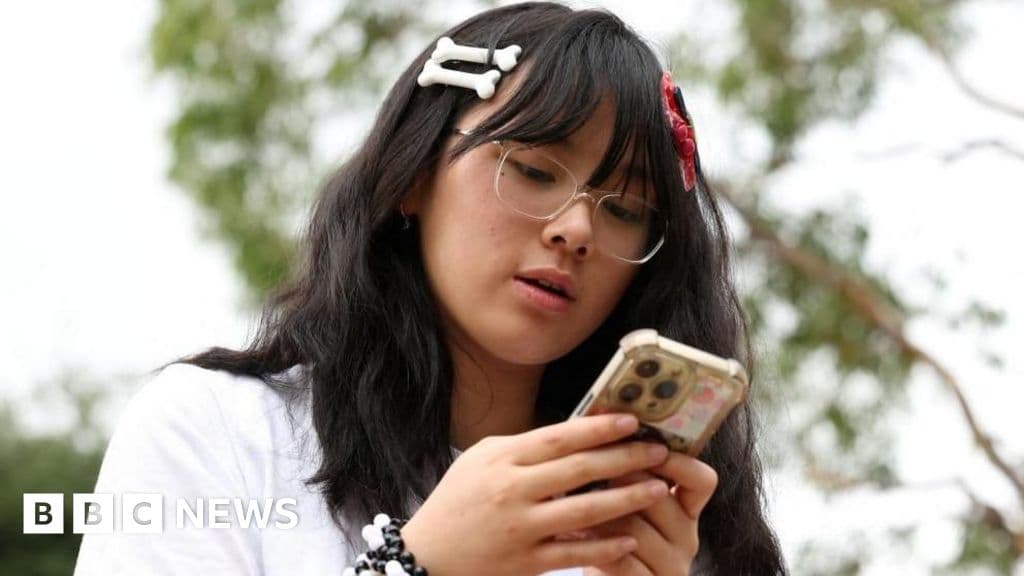
Despite the intentions behind the ban, anecdotal evidence suggests that many under-16 users continue to access the restricted platforms. Reports from schools in Sydney reveal that a significant number of students still have accounts, with some admitting they bypassed age verification methods. A student shared that out of 180 girls in her class, only three had been removed from these platforms, showcasing a gap between policy and practice.
Parents have largely supported the ban, viewing it as a tool to help them navigate discussions with their children about social media access. However, this comprehensive approach faces criticism from various stakeholders. Technology experts and child welfare advocates argue that education on the risks associated with social media may be more beneficial than outright bans, emphasizing the need for digital literacy among young users.
Critics of the ban also highlight its potential impact on marginalized communities. Rural youth, disabled teenagers, and those identifying as LGBTQ+ may find that social media is one of the few avenues for connection and support. The ban’s enforceability raises questions about its fairness and effectiveness, particularly for those who rely on these platforms to find community and resources.
Inman Grant acknowledged the challenges of unwinding two decades of entrenched social media practices, stating, "Durable, generational change takes time - but these platforms have the capability to comply today." She emphasized that the onus is not just on social media companies but also on parents to engage actively in this cultural shift, reinforcing the importance of collaboration in promoting online safety for children.
As the eSafety regulator intensifies its enforcement activities, the focus will remain on ensuring that social media platforms take meaningful measures to protect underage users. This will likely involve increased scrutiny and penalties for non-compliance. The ongoing dialogue between parents, regulators, and social media companies is critical to shaping a safer online environment for children.
Looking ahead, the success of this initiative will depend on the commitment of all stakeholders to adapt and evolve in the face of rapidly changing digital landscapes. Observing how these platforms respond to new regulations will offer insights into their accountability and willingness to prioritize child safety.
In summary, while Australia’s social media ban aims to safeguard children, the journey towards effective enforcement and compliance is just beginning. The developments in this area may set a precedent for how other nations approach similar challenges in protecting youth in the digital age.

Nvidia's new RTX Spark chip aims to transform personal computing with AI, marking a significant shift in technology. Discover what this means for consumers.
BBC Business
The explosion of Blue Origin's New Glenn rocket raises significant concerns over NASA's lunar ambitions and the future of Amazon's satellite projects. Discover the implications.
BBC Science
Discover how Meta's lack of engagement on user bans raises critical concerns about accountability and transparency in social media governance.
BBC Technology