
Image: BBC World
Australia and the EU have finalized a significant trade deal worth A$10 billion, enhancing economic ties amid global uncertainty. Discover its implications.
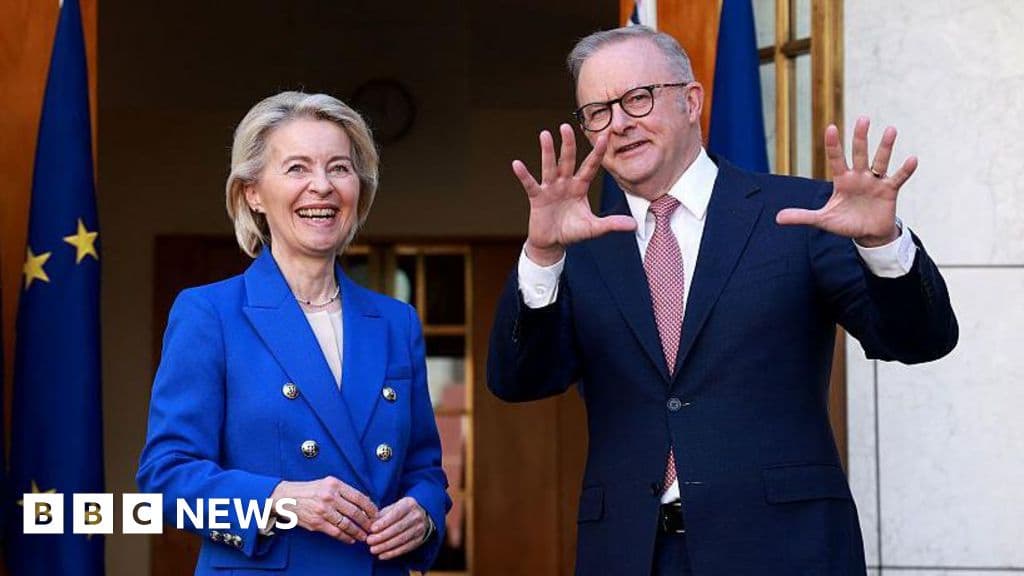
GlipzoIn a significant move towards strengthening their economic ties, Australia and the European Union have reached a comprehensive free trade agreement after eight years of negotiations. The deal, which was officially signed in Canberra, is valued at approximately A$10 billion (around $7 billion or £5.2 billion) and has been hailed as a mutual "win-win" by Australian Prime Minister Anthony Albanese and European Commission President Ursula von der Leyen.
During the announcement, President von der Leyen emphasized that this agreement is designed to enhance collective resilience amid a rapidly changing global landscape. This sentiment resonates particularly in the wake of geopolitical uncertainties and the fluctuating dynamics of international trade.
The trade deal not only aims to eliminate nearly all tariffs on goods exchanged between the two regions but also seeks to foster increased cooperation on defense and critical minerals. Such collaborations are seen as essential given the current global climate, where nations are increasingly using tariffs and supply chain vulnerabilities as tools in international relations.
While the deal has garnered positive responses from European car manufacturers, there has been notable discontent among farmers in both Europe and Australia regarding the agreed-upon export quotas for Australian beef and lamb. Under the new terms, the volume of Australian beef permitted into the EU is set to increase more than tenfold over the next decade. However, Australian farmers had hoped for even higher quotas, while their European counterparts voiced objections to any increases.
The signing of this accord in Canberra represents the latest in a series of trade agreements that Brussels has pursued as part of its strategy to diversify global trading partnerships. The changing geopolitical landscape, particularly influenced by the policies of former U.S. President Donald Trump, has prompted the EU to seek new alliances. Earlier this year, the EU also finalized a landmark trade deal with India after nearly two decades of negotiations, showcasing its commitment to global trade expansion.
Furthermore, a proposed trade agreement with the Mercosur bloc in South America faced setbacks in the European Parliament, primarily due to opposition from agricultural lobbyists.
The new trade agreement is anticipated to have significant benefits for Australian producers. Under the terms, almost all EU tariffs will be abolished on various Australian agricultural products, including: - Wine - Fruits and Vegetables - Olive Oil - Seafood - Most Dairy Products - Wheat and Barley
This trade deal is projected to save about A$37 million for local wine producers, further enhancing Australia's export potential. For consumers in Australia, the agreement promises lower prices on a range of European goods, such as wine, spirits, biscuits, chocolates, and pasta.
A notable aspect of the agreement pertains to food naming rights, a sensitive issue for both parties. Under the new terms, Italian-style sparkling wine produced in Australia can still be marketed as prosecco domestically, although the name will be phased out for exports over the next ten years. Additionally, Australian producers will retain the right to use names like parmesan, while the naming of feta will involve a more extended transition period.
Prime Minister Albanese underscored the significance of these naming rights, connecting them to Australia's diverse cultural heritage shaped by migrant communities.
President von der Leyen described the trade agreement as achieving a perfect balance, facilitating easier access for Australian exports to the EU while simultaneously increasing the availability of EU products in Australia. However, the deal has faced criticism from some sectors. Andrew McDonald, representing Meat and Livestock Australia, expressed disappointment, stating that the agreement fell short of expectations, particularly regarding the annual meat export quota, which was set at about 30,000 tonnes—a significant rise from 3,389 tonnes, but still below the 50,000 tonnes sought by Australian farmers.
The European agriculture lobby group Copa-Cogeca also raised concerns, arguing that the concessions made in this deal add undue pressure to an already struggling agricultural sector impacted by previous trade agreements.
As Australia and the EU embark on this new chapter of cooperation, all eyes will be on the implementation of the agreement and its real-world impact on both economies. Stakeholders will likely monitor how the adjustments to tariffs and quotas affect various sectors, particularly agriculture.
Furthermore, as global trade dynamics continue to evolve, it will be crucial to watch how this deal influences future negotiations and partnerships, especially in light of ongoing geopolitical challenges.
This agreement marks a pivotal moment for both Australia and the EU, symbolizing a commitment to collaboration in a world where economic resilience is more important than ever. Keeping an eye on the outcomes of this trade deal will be essential for understanding the future trajectory of international trade relations.
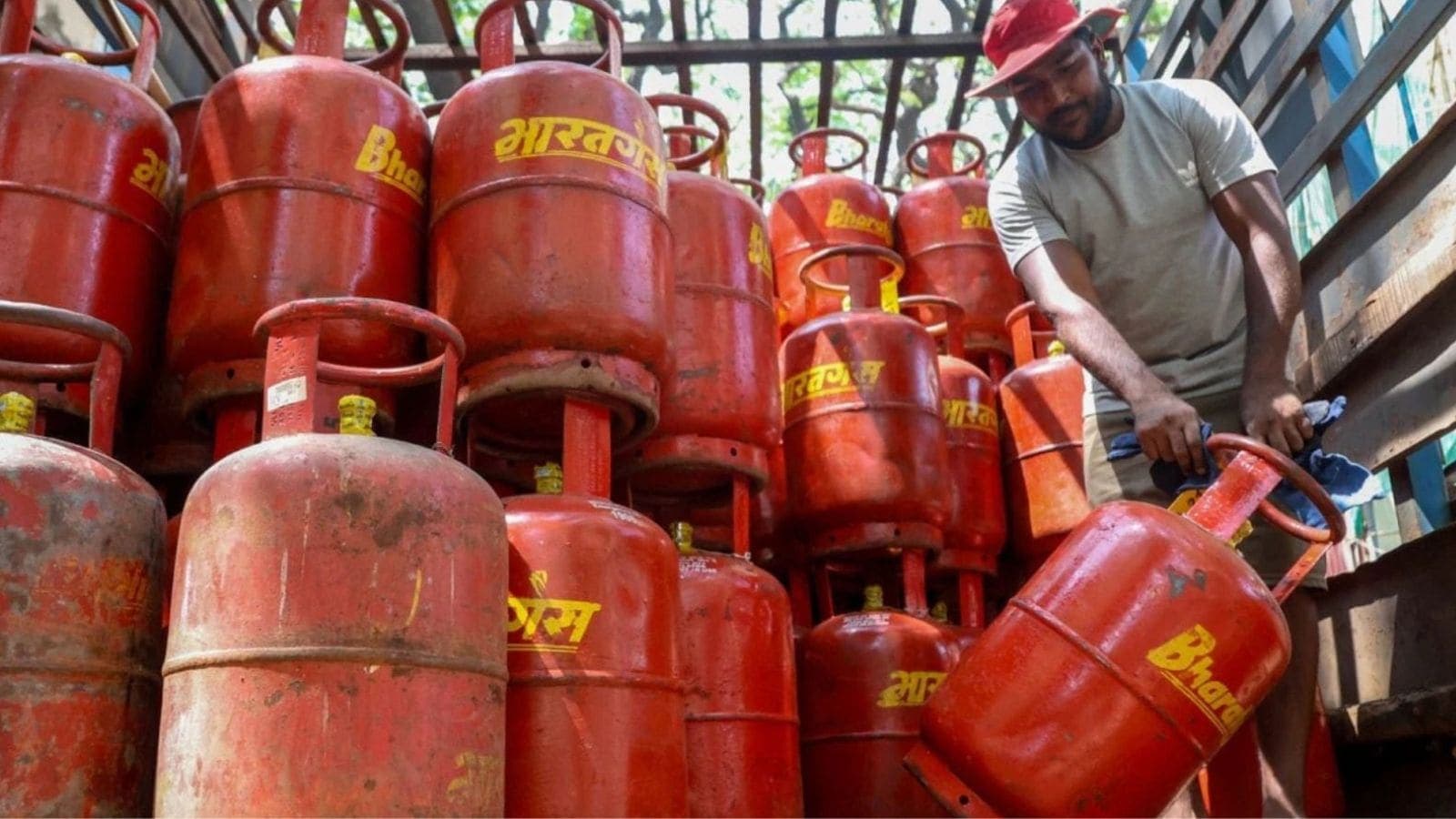
Commercial LPG prices have risen again, with increases of ₹42 in Delhi and ₹53.50 in Kolkata impacting businesses and consumers alike. Find out more.
Indian Express
Discover how a tragic coal mine explosion in Shanxi, China, reveals ongoing safety concerns in the industry amidst a push for green energy.
BBC Business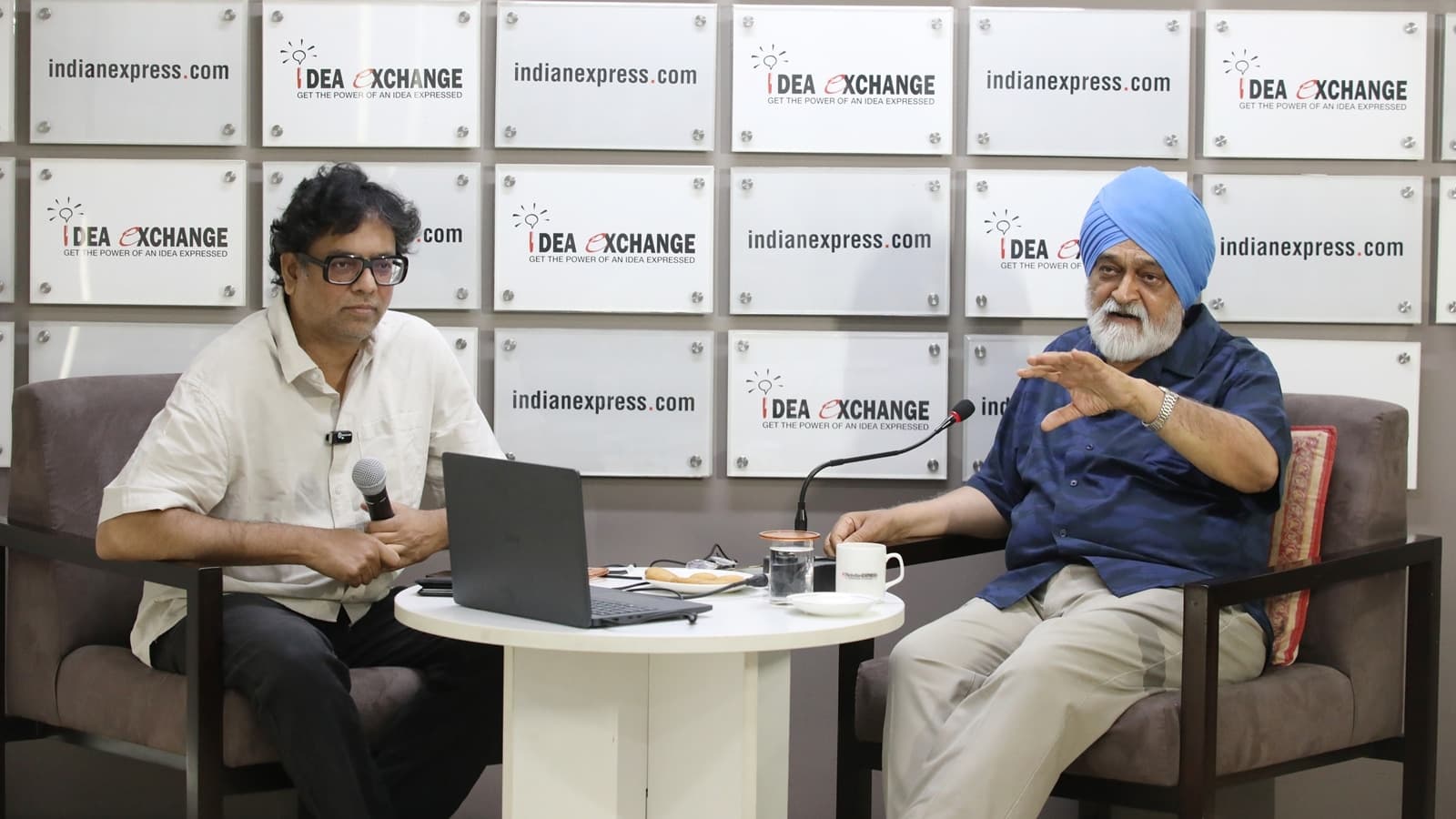
Montek Singh Ahluwalia highlights key economic challenges for India, emphasizing the need for a strategic approach to balance payments and investment.
Indian Express