
Image: BBC Business
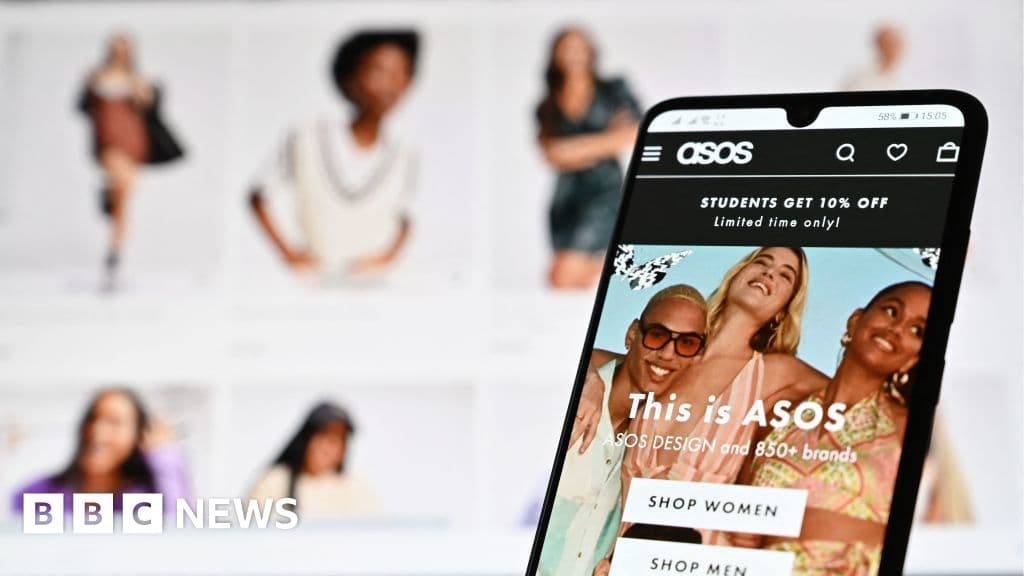
Asos aims to recover £7 million in tariffs after a US Supreme Court ruling. What does this mean for the retailer and the broader market? Find out more.
GlipzoAsos, the renowned online fashion retailer, is making headlines as it pursues a £7 million refund from the United States government due to tariffs imposed during the first half of its financial year. This initiative comes on the heels of a pivotal ruling by the US Supreme Court, which deemed the so-called "Liberation Day" tariffs, originally instituted by former President Donald Trump, as overreaching. The court's decision has opened the floodgates for businesses to reclaim tariffs, marking the start of what could be the largest repayment program in history.
The Supreme Court's ruling in February 2023 cleared the way for companies to file for refunds starting this past Monday, when an online portal was launched. While many businesses have reported a seamless experience, others faced technical glitches, underscoring the high demand for claims amid the tariff refund frenzy.
The implications of this ruling are significant, as hundreds of thousands of firms could potentially recover funds from the tariffs that were previously levied. Asos has already begun navigating the refund process, leveraging the new online system to submit its claims. The company’s actions come at a critical time; despite its recent struggles, Asos is eager to bolster its finances amid a challenging retail landscape.
In the six months leading up to March 1, 2023, Asos reported a pre-tax loss of £137.9 million, a marked improvement from the £241.5 million loss it experienced during the same period last year. This narrowing of losses suggests that the company's ongoing turnaround plan may be taking effect, even as it grapples with the realities of a post-pandemic market.
The tariffs in question stem from the International Emergency Economic Powers Act (IEEPA), which allowed the government to impose levies on a wide range of goods. The US Court of International Trade has mandated that customs officials refund over $160 billion (£121 billion) collected from these tariffs, affecting approximately 330,000 importers who are now eligible for reimbursements. As of early April, over 56,000 importers had initiated their claims through the newly established portal, with total claims amounting to roughly $127 billion.
While the portal's launch has been met with excitement, it has not been without its challenges. Business owners have reported mixed experiences; some successfully navigated the system within minutes, while others faced delays due to what was described as an "overwhelmed" system. The high volume of claims has led to frustrations, highlighting the complexities of such a significant refund operation.
In light of these developments, Asos is taking proactive measures to adapt to the ongoing economic pressures. The company has acknowledged the challenges posed by inflation and supply chain disruptions, particularly those stemming from conflicts in the Middle East. Asos stated that it is closely monitoring these issues and implementing strategies to mitigate their impact on its operations.
As consumer demand has waned post-COVID, Asos faces stiff competition from low-cost rivals like Shein, which have gained substantial market share. The company, once celebrated as a "pandemic darling", is now working diligently to regain its footing in an evolving retail environment.
As the tariff refund process unfolds, the focus will be on how quickly businesses can receive their reimbursements. US Customs and Border Protection has indicated that successful applicants can expect to see their refunds, along with any applicable interest, processed within 60 to 90 days. However, it remains to be seen how these refunds will impact the financial health of companies like Asos and the broader retail industry.
Looking ahead, the situation will be closely monitored to see how effectively the online portal can handle the influx of claims and whether the government can meet its refund commitments. Additionally, potential changes in consumer behavior and ongoing economic challenges will continue to shape the landscape for retailers.
In conclusion, Asos is not just fighting for its £7 million refund; it is navigating a complex interplay of market forces, competition, and changing consumer preferences. The outcome of this tariff refund initiative could have far-reaching implications for the company and its peers, as they seek to stabilize and thrive in a post-pandemic world.
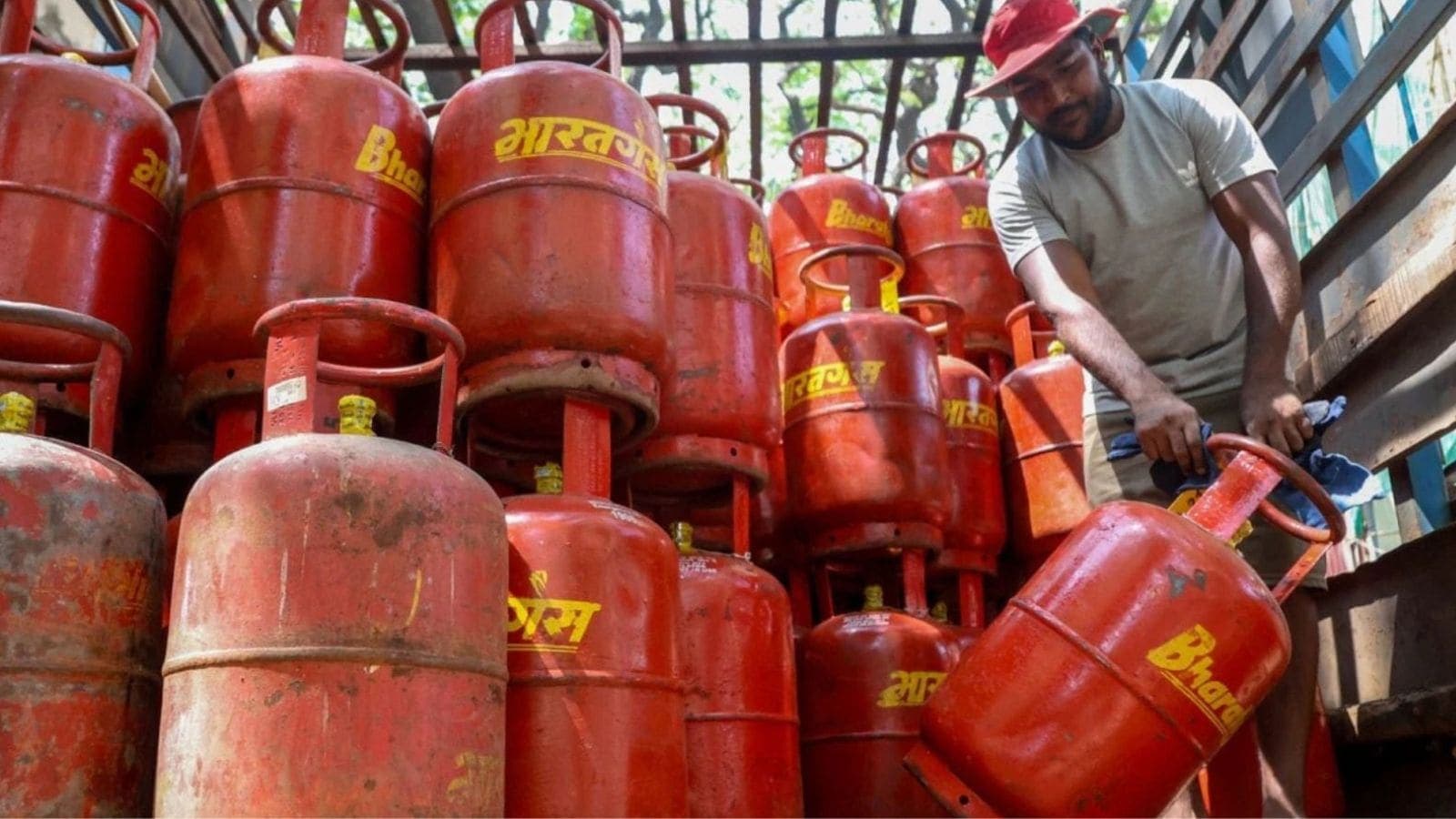
Commercial LPG prices have risen again, with increases of ₹42 in Delhi and ₹53.50 in Kolkata impacting businesses and consumers alike. Find out more.
Indian Express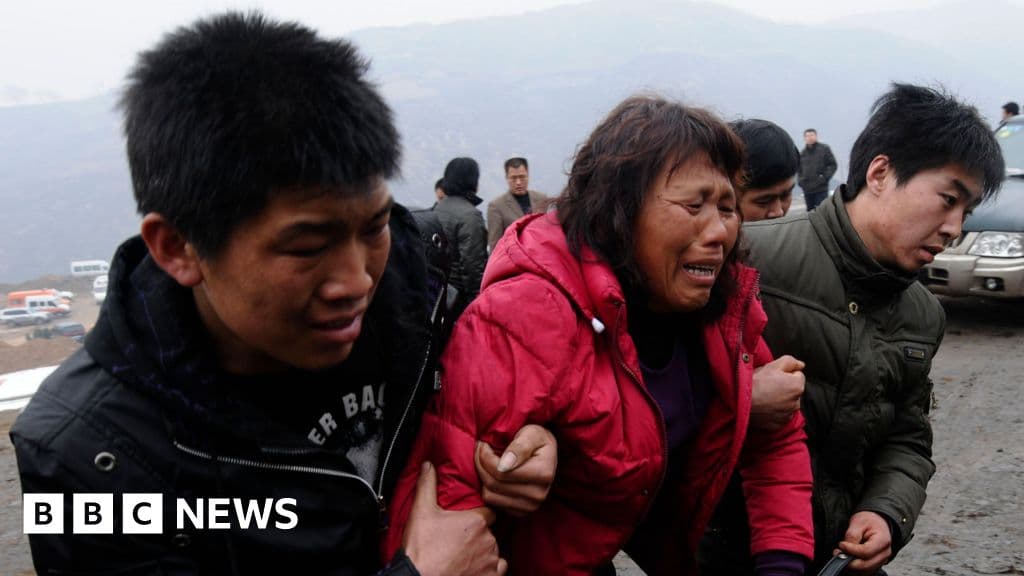
Discover how a tragic coal mine explosion in Shanxi, China, reveals ongoing safety concerns in the industry amidst a push for green energy.
BBC Business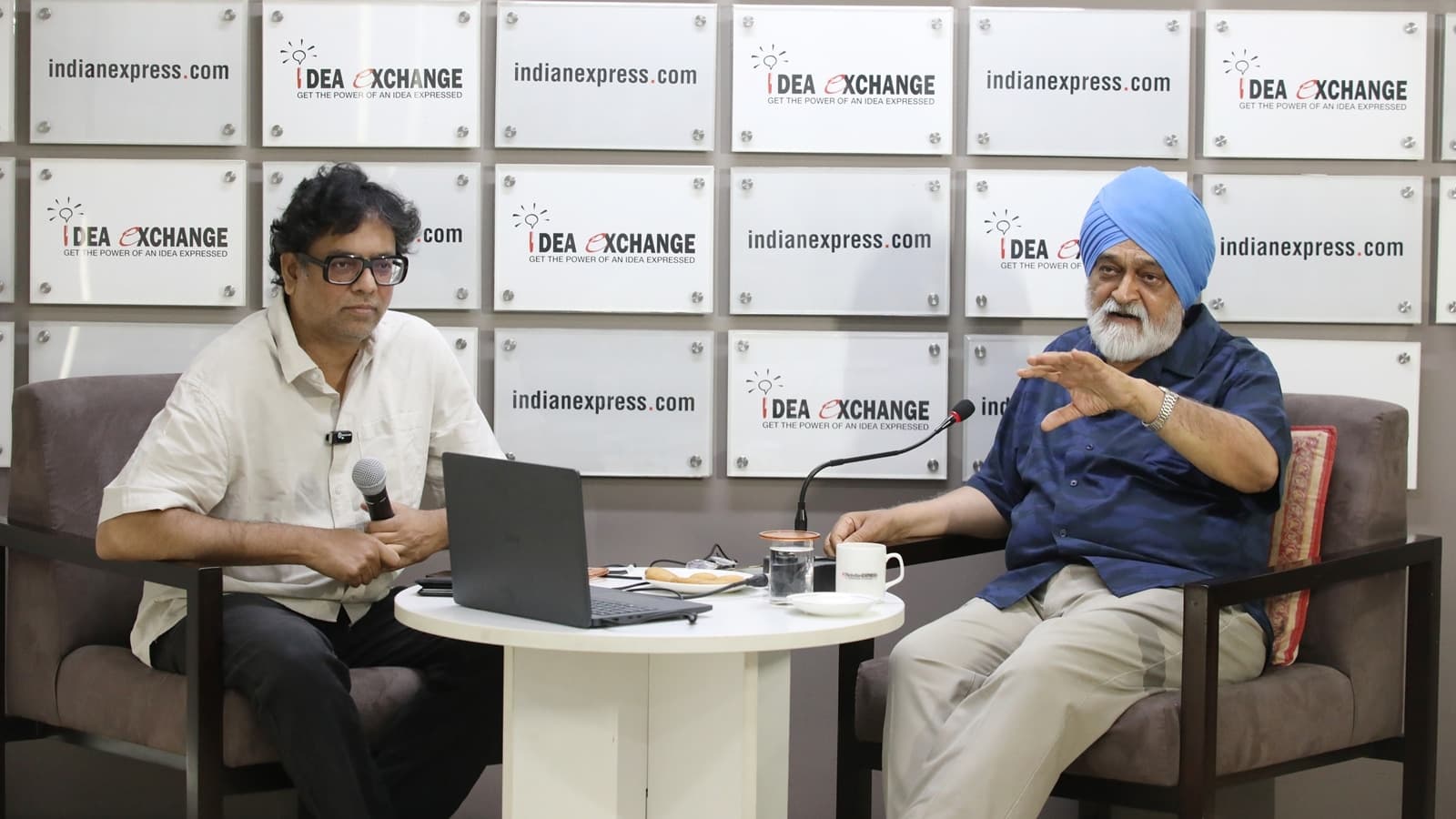
Montek Singh Ahluwalia highlights key economic challenges for India, emphasizing the need for a strategic approach to balance payments and investment.
Indian Express