
Image: BBC Technology
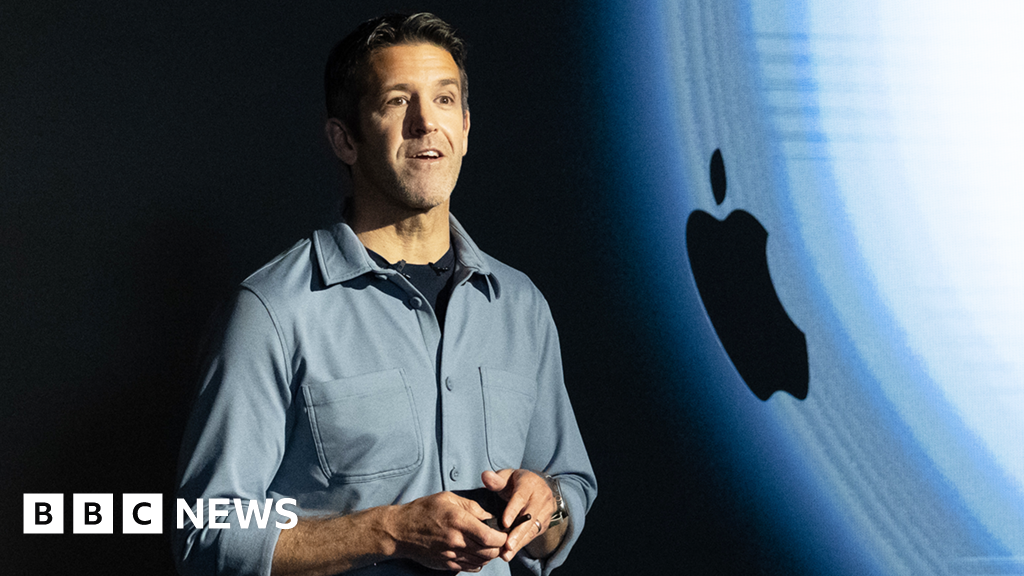
Apple's leadership shifts as John Ternus takes over from Tim Cook. What challenges will he face, especially in AI technology? Discover insights here.
GlipzoIn a significant shift at the top of tech giant Apple, Tim Cook is set to pass the mantle to John Ternus, currently the vice president of hardware. Speculation around Cook's retirement has been rampant, and now it seems Apple has found its successor in Ternus, a 51-year-old who has been with the company for nearly 25 years. This transition marks a pivotal moment for Apple as it gears up for the next chapter in its illustrious history.
During a recent informal meeting in the UK, I had the opportunity to engage with Ternus. When I inquired if he was the designated successor to Cook, he skillfully sidestepped the question—common for executives in his position. Instead, Ternus praised Cook's leadership while maintaining an air of mystery about his potential future role. This interaction left me with a sense of intrigue, as it was evident that Apple is exceptionally adept at managing its public image, even in casual settings.
Despite its remarkable success, Apple is currently facing several pressing challenges that will test Ternus’s leadership abilities. As a self-described “product guy,” Ternus is known for his hands-on approach to hardware development. This trait could prove essential as Apple navigates the evolving tech landscape. Cook, often referred to as “the operations guy,” has also shown a keen interest in hardware, indicating that the leadership transition will likely preserve a strong focus on product quality.
In the years that Cook and co-founder Steve Jobs led Apple, they collectively shaped the company for around three decades. Their leadership styles, while effective, were markedly different from the fiery personas often seen in today's public figures. Ternus’s calm and steady demeanor could serve Apple well in a time when the tech industry is rife with volatility.
One notable aspect of this leadership change is the ongoing absence of women in Apple’s upper echelons. Despite Cook’s acknowledgment of the lack of female representation within tech, Apple has yet to appoint a woman to lead the company. This reality raises questions about the company's commitment to diversity and inclusivity, which many industry observers are keen to see addressed in the future.
As Ternus steps into his new role, he will face a significant challenge: artificial intelligence (AI). While Apple has historically taken a slow and strategic approach to product development—evident in the success of the iPhone, which redefined the smartphone market after its launch in 2007—the company has received criticism for its delayed entry into the booming AI sector.
Apple has recently chosen to partner with AI leaders like OpenAI and Google rather than developing proprietary technology, a strategy that raises eyebrows as the demand for AI solutions surges.
Industry analysts are cautious yet optimistic about Apple’s AI prospects. According to Susannah Streeter, chief investment strategist at Wealth Club, “Apple hasn’t thrown the kitchen sink at AI opportunities.” This sentiment underscores the need for Ternus to adopt a more aggressive stance in this rapidly evolving market.
Another challenge that looms large is the reception of Apple’s recent product launch, the Vision Pro VR headset. Released after years of development, this high-end headset has struggled to find its footing in a market that is increasingly competitive and price-sensitive. Critics point out that the Vision Pro is priced at a premium compared to its rivals, which could hinder its adoption.
The upcoming months will be critical for Ternus as he strategizes on how to reinvigorate Apple’s product line and address these pressing challenges. His ability to innovate and respond to market demands will play a substantial role in determining Apple’s trajectory.
As John Ternus steps into the spotlight, all eyes will be on how he adapts Apple’s strategies to meet the demands of a changing tech landscape. His focus on collaboration within product development teams may foster an environment ripe for innovation, but success will hinge on his ability to respond to the pressures of AI integration and competitive market dynamics.
Analysts and tech enthusiasts alike will be closely monitoring Apple’s next moves. Will Ternus push for a more aggressive AI strategy? Can he steer Apple back into the forefront of tech innovation? As we await answers to these questions, one thing is clear: the future of Apple under Ternus promises to be anything but predictable.
In summary, the transition from Tim Cook to John Ternus marks a new era for Apple—one filled with potential and challenges that will shape the company's future direction significantly.
Nvidia's new RTX Spark chip aims to transform personal computing with AI, marking a significant shift in technology. Discover what this means for consumers.
BBC Business
The explosion of Blue Origin's New Glenn rocket raises significant concerns over NASA's lunar ambitions and the future of Amazon's satellite projects. Discover the implications.
BBC Science
Discover how Meta's lack of engagement on user bans raises critical concerns about accountability and transparency in social media governance.
BBC Technology