Glipzo
WorldTechnologyBusinessSportsEntertainmentScienceHealthPolitics
Glipzo
WorldTechnologyBusinessSportsEntertainmentScienceHealthPolitics
  1. Home
  2. /
  3. Technology
  4. /
  5. Apple at 50: Game-Changing Innovations and Missed Opportunities
Apple at 50: Game-Changing Innovations and Missed Opportunities

Image: BBC Technology

Technology
Monday, April 6, 20265 min read

Apple at 50: Game-Changing Innovations and Missed Opportunities

Explore Apple's 50-year journey, highlighting game-changing products and notable failures that shaped the tech landscape. What’s next for this iconic brand?

Glipzo News Desk|Source: BBC Technology
Share
Glipzo

Key Highlights

  • Apple celebrates 50 years of transformative tech innovations.
  • The iPod revolutionized music consumption, changing the industry forever.
  • iPhone: The 'Hotel California' of smartphones, keeping users loyal.
  • Apple Watch leads the smartwatch market, generating $15 billion.
  • Despite successes, Apple has notable product flops in its history.

In this article

  • Celebrating Apple’s 50-Year Journey This week, **Apple Inc.** marked a monumental milestone, celebrating **50 years** since its inception in a modest garage in **San Francisco**. Founded by **Steve Jobs** and **Steve Wozniak**, Apple has become synonymous with innovation in technology, fundamentally altering how we interact with devices in our daily lives. As nearly **one in three** people worldwide own an Apple product, the impact of this tech giant is undeniable.
  • Iconic Innovations: The Products That Changed Everything While Apple has had its share of both triumphs and missteps, certain products stand out as pivotal in reshaping the tech landscape.
  • The iPod: Revolutionizing Music Consumption Launched in **2001**, the **iPod** is often viewed as one of Apple's most iconic products, according to **Craig Pickerill** from **The Apple Geek**. Although it wasn't the first digital music player, the iPod revolutionized how music was consumed by addressing several common frustrations: - **Clunky design** of previous MP3 players - **Limited storage** capacity - Tedious music library management
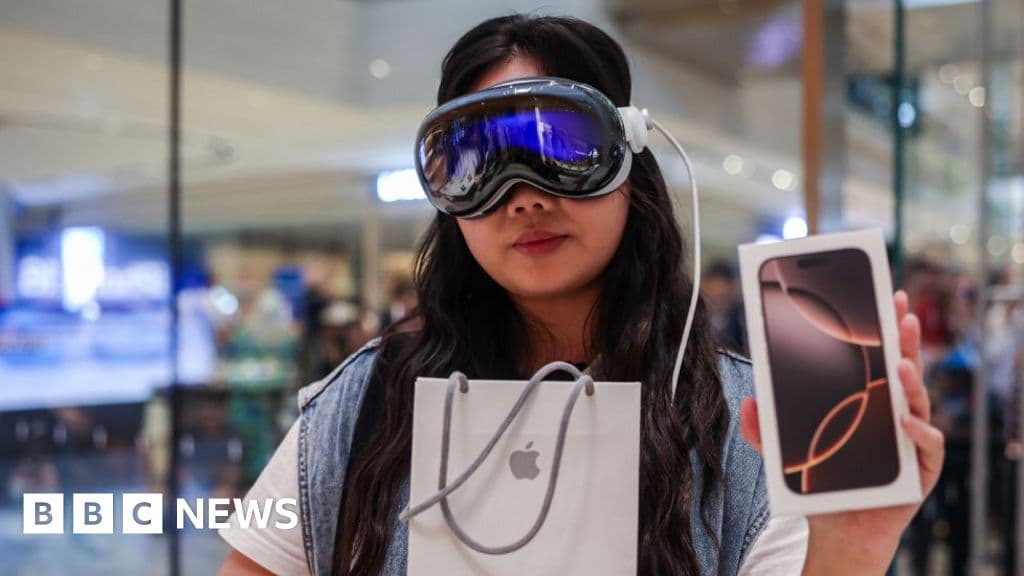
  • The iPhone: A New Era of Smartphones When the **iPhone** debuted in **2007**, it wasn't the first smartphone to deliver internet capabilities or touchscreens. However, its remarkable marketing and polished design propelled it to unprecedented heights. According to **Ben Wood** from **CCS Insight**, the iPhone is akin to the "**Hotel California** of smartphones"—once users experience it, they rarely switch to rival Android devices.
  • The Apple Watch: Leading the Wearable Tech Revolution After Jobs' passing, Tim Cook led Apple into the wearable technology sphere with the launch of the **Apple Watch** in **2015**. With a staggering revenue generation of **approximately $15 billion**, the Apple Watch has emerged as the world’s best-selling smartwatch.
  • Notable Flops: Products That Missed the Mark Despite its impressive catalog of successful products, Apple has also experienced its fair share of disappointments. Here are a few products that failed to resonate with consumers: - **Apple Pippin**: Launched in **1996**, this multimedia player failed to gain traction in a gaming market dominated by PlayStation and Nintendo. - **Apple Newton**: Introduced in **1993**, this personal digital assistant was ahead of its time but suffered from poor handwriting recognition and high costs, ultimately leading to its discontinuation. - **HomePod**: Although Apple aimed to compete in the smart speaker market, the original **HomePod's** high price and lack of features compared to rivals like Amazon Echo and Google Home limited its success.
  • Why It Matters: The Legacy of Apple’s Innovations Apple's journey over the last 50 years is a testament to its role as a catalyst for change in the technology sector. The company's ability to transform mundane tasks into seamless experiences has not only redefined consumer expectations but also set benchmarks for competitors.
  • Looking Ahead: What’s Next for Apple? As Apple celebrates its golden anniversary, the company faces the challenge of continuing its legacy of innovation without its visionary co-founder. The tech industry is rapidly evolving, with advancements in artificial intelligence, augmented reality, and sustainability becoming increasingly significant. Apple will need to navigate these changes thoughtfully to maintain its leadership position in the market.

Celebrating Apple’s 50-Year Journey This week, **Apple Inc.** marked a monumental milestone, celebrating **50 years** since its inception in a modest garage in **San Francisco**. Founded by **Steve Jobs** and **Steve Wozniak**, Apple has become synonymous with innovation in technology, fundamentally altering how we interact with devices in our daily lives. As nearly **one in three** people worldwide own an Apple product, the impact of this tech giant is undeniable.

Emma Wall, chief investment strategist at Hargreaves Lansdown, attributes much of Apple's success to its groundbreaking marketing strategies that elevated branding to a level of significance previously unseen in the tech industry. "They sold a dream," she noted, highlighting the dual importance of product quality and brand identity. However, since the passing of Jobs in 2011, Apple’s groundbreaking innovations appear to have slowed, with the company leaning heavily into refining existing technologies.

Ken Segall, who worked directly with Jobs as his creative director, praised current CEO Tim Cook for adapting to shifting market demands while maintaining profitability. Yet, many Apple enthusiasts reminisce about the pioneering spirit of the company under Jobs, expressing concerns that the company may have lost some of its original allure.

Iconic Innovations: The Products That Changed Everything While Apple has had its share of both triumphs and missteps, certain products stand out as pivotal in reshaping the tech landscape.

The iPod: Revolutionizing Music Consumption Launched in **2001**, the **iPod** is often viewed as one of Apple's most iconic products, according to **Craig Pickerill** from **The Apple Geek**. Although it wasn't the first digital music player, the iPod revolutionized how music was consumed by addressing several common frustrations: - **Clunky design** of previous MP3 players - **Limited storage** capacity - Tedious music library management

The introduction of the iPod not only simplified the music experience but also popularized the iTunes ecosystem, making legal digital music downloads a household norm. The subsequent release of the iPod Touch in 2007, designed by the same team that later brought forth the iPhone, solidified Apple's dominance in personal media consumption.

The iPhone: A New Era of Smartphones When the **iPhone** debuted in **2007**, it wasn't the first smartphone to deliver internet capabilities or touchscreens. However, its remarkable marketing and polished design propelled it to unprecedented heights. According to **Ben Wood** from **CCS Insight**, the iPhone is akin to the "**Hotel California** of smartphones"—once users experience it, they rarely switch to rival Android devices.

Steve Jobs famously declared, "An iPod, a phone, and an internet communicator. These are not three separate devices, this is one device," during the iPhone's launch. The device's seamless integration of multiple functionalities, combined with its user-friendly interface, set a new standard for mobile technology.

The Apple Watch: Leading the Wearable Tech Revolution After Jobs' passing, Tim Cook led Apple into the wearable technology sphere with the launch of the **Apple Watch** in **2015**. With a staggering revenue generation of **approximately $15 billion**, the Apple Watch has emerged as the world’s best-selling smartwatch.

Wood notes that if the Apple Watch were a standalone entity, it would rank among the top 250 to 300 companies in the U.S. The initial prototype might have been basic, but subsequent models incorporated groundbreaking health features such as ECG monitoring and fall detection, establishing the Apple Watch as a pioneer in health and fitness technology.

Notable Flops: Products That Missed the Mark Despite its impressive catalog of successful products, Apple has also experienced its fair share of disappointments. Here are a few products that failed to resonate with consumers: - **Apple Pippin**: Launched in **1996**, this multimedia player failed to gain traction in a gaming market dominated by PlayStation and Nintendo. - **Apple Newton**: Introduced in **1993**, this personal digital assistant was ahead of its time but suffered from poor handwriting recognition and high costs, ultimately leading to its discontinuation. - **HomePod**: Although Apple aimed to compete in the smart speaker market, the original **HomePod's** high price and lack of features compared to rivals like Amazon Echo and Google Home limited its success.

Why It Matters: The Legacy of Apple’s Innovations Apple's journey over the last 50 years is a testament to its role as a catalyst for change in the technology sector. The company's ability to transform mundane tasks into seamless experiences has not only redefined consumer expectations but also set benchmarks for competitors.

The impact of Apple’s products extends beyond their functionalities; they have shaped cultural perceptions of technology. The allure of Apple products continues to draw consumers into an ecosystem that is both robust and user-friendly.

Looking Ahead: What’s Next for Apple? As Apple celebrates its golden anniversary, the company faces the challenge of continuing its legacy of innovation without its visionary co-founder. The tech industry is rapidly evolving, with advancements in artificial intelligence, augmented reality, and sustainability becoming increasingly significant. Apple will need to navigate these changes thoughtfully to maintain its leadership position in the market.

In the coming years, it will be interesting to observe how Apple adapts to emerging technologies and consumer preferences while staying true to its brand ethos. The future may hold groundbreaking innovations that could redefine our interactions with technology once again, just as the iPod, iPhone, and Apple Watch did before them.
Did you find this article useful? Share it!

Share

Related Articles

Breaking: Molotov Cocktail Incident at OpenAI CEO Sam Altman's Home
Technology
Apr 14, 2026

Breaking: Molotov Cocktail Incident at OpenAI CEO Sam Altman's Home

A Molotov cocktail was thrown at OpenAI CEO Sam Altman's home, escalating safety concerns in the tech industry. Learn the implications of this shocking event.

BBC Technology
Breaking: Texas Man Charged in Attack on OpenAI's Sam Altman
Technology
Apr 14, 2026

Breaking: Texas Man Charged in Attack on OpenAI's Sam Altman

A Texas man faces attempted murder charges after attacking OpenAI's Sam Altman. Authorities investigate motives linked to anti-AI sentiment.

BBC Business
Exclusive: Quantum Computing Race - Can Europe Lead the Way?
Technology
Apr 14, 2026

Exclusive: Quantum Computing Race - Can Europe Lead the Way?

Can France's Alice & Bob lead the quantum computing race? Discover their innovative approach and the challenges that lie ahead.

BBC Business

Categories

  • World
  • Technology
  • Business
  • Sports

More

  • Entertainment
  • Science
  • Health
  • Politics

Explore

  • Web Stories
  • About Us
  • Contact

Legal

  • Privacy Policy
  • Terms of Service

© 2026 Glipzo. All rights reserved.